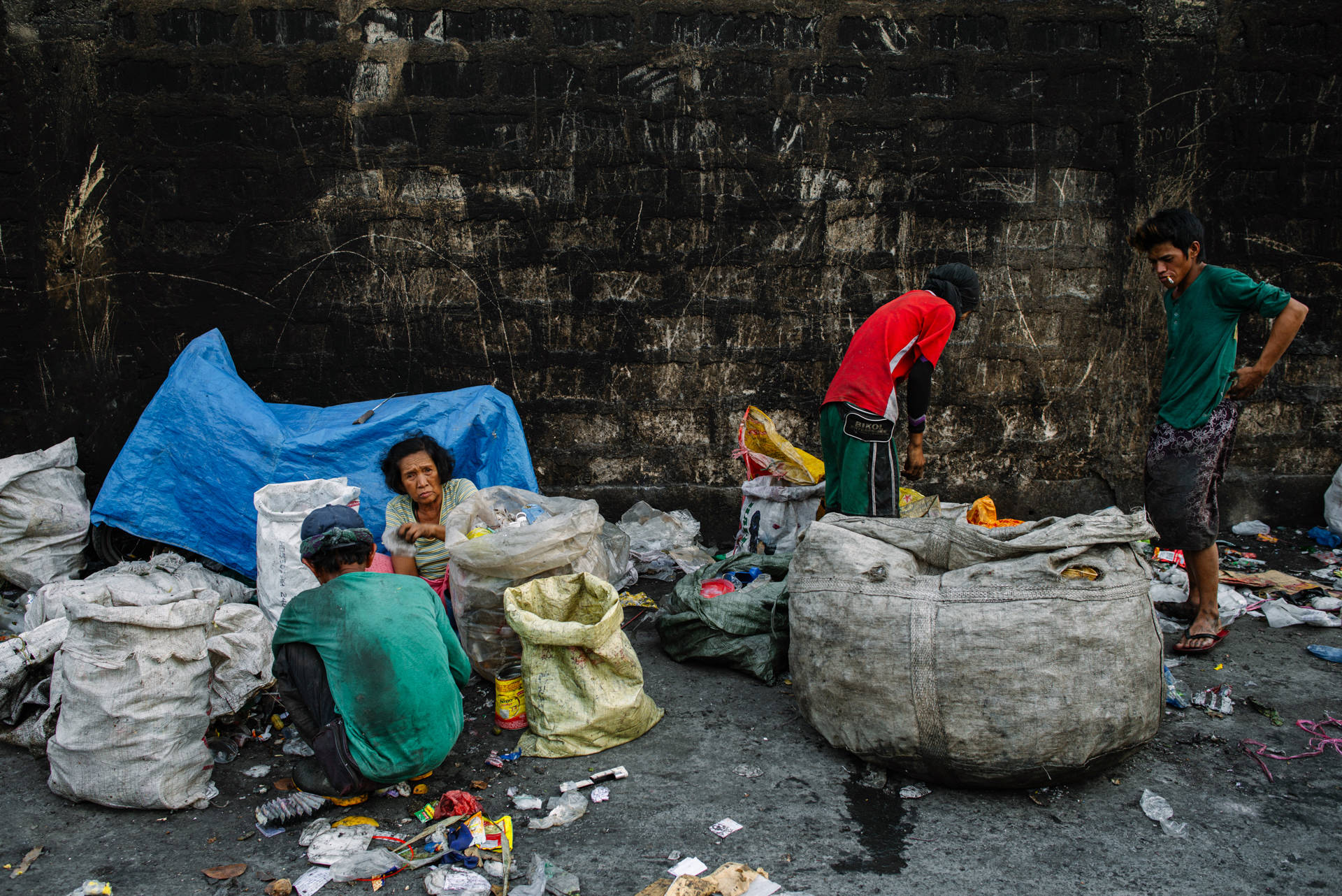
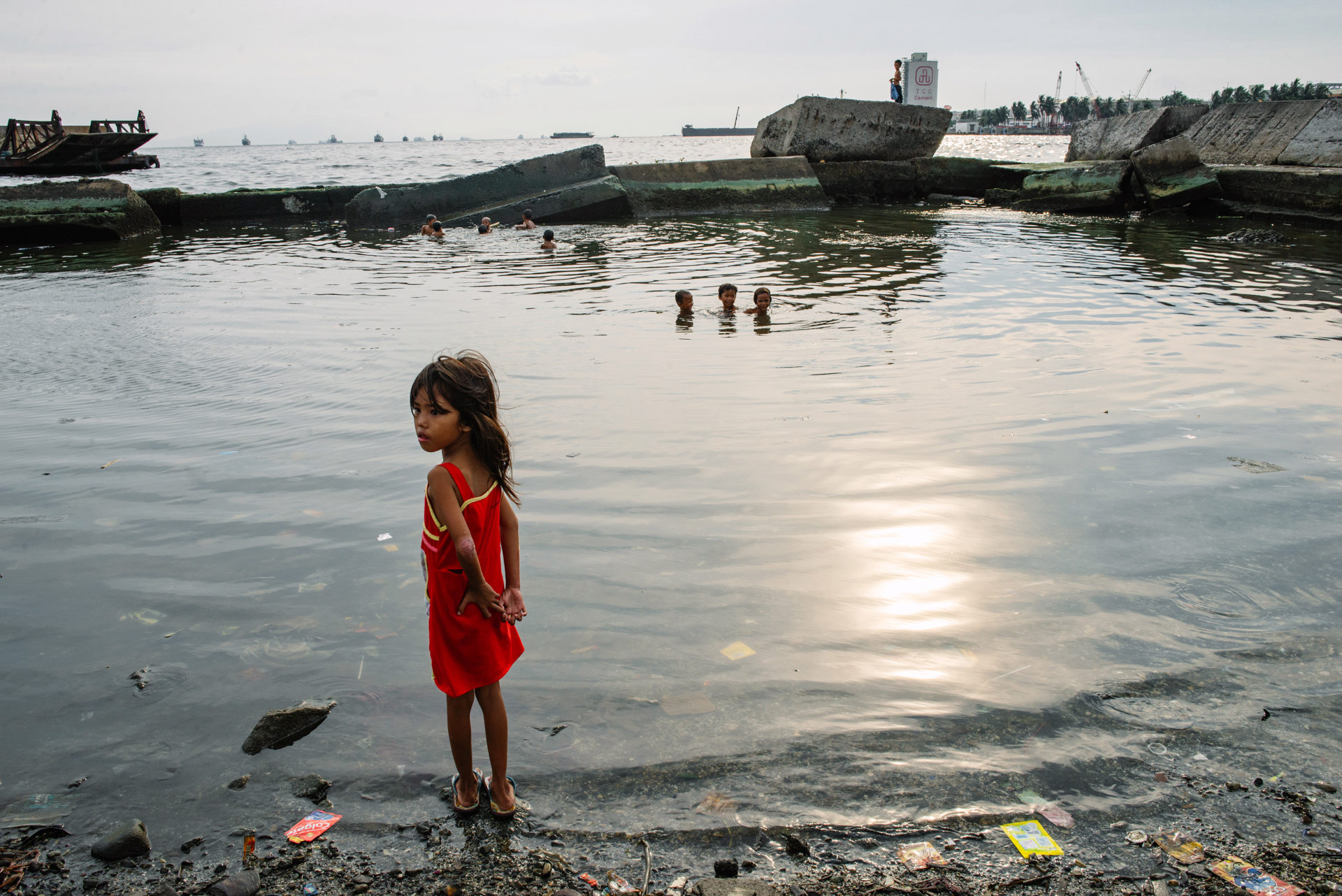
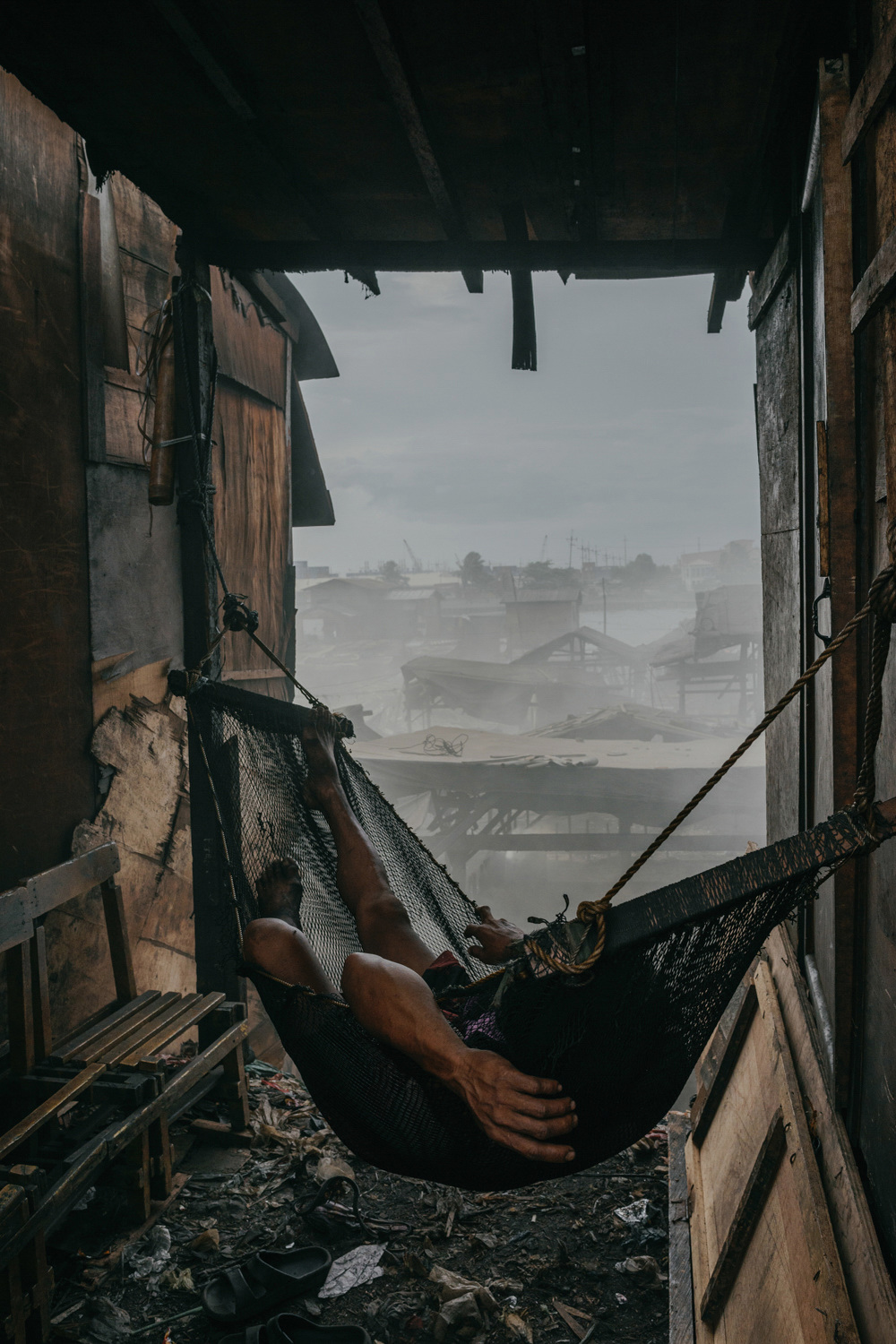
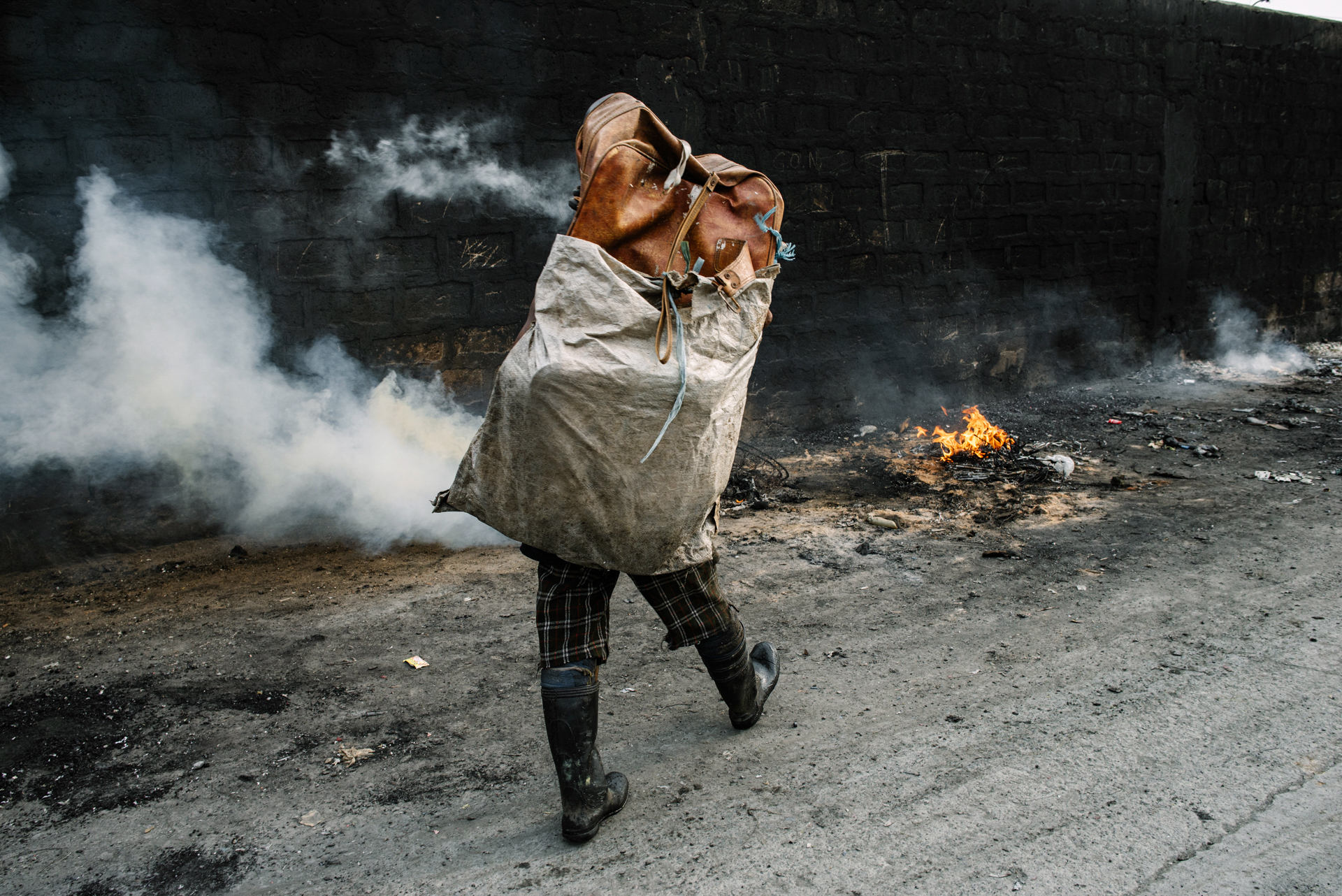
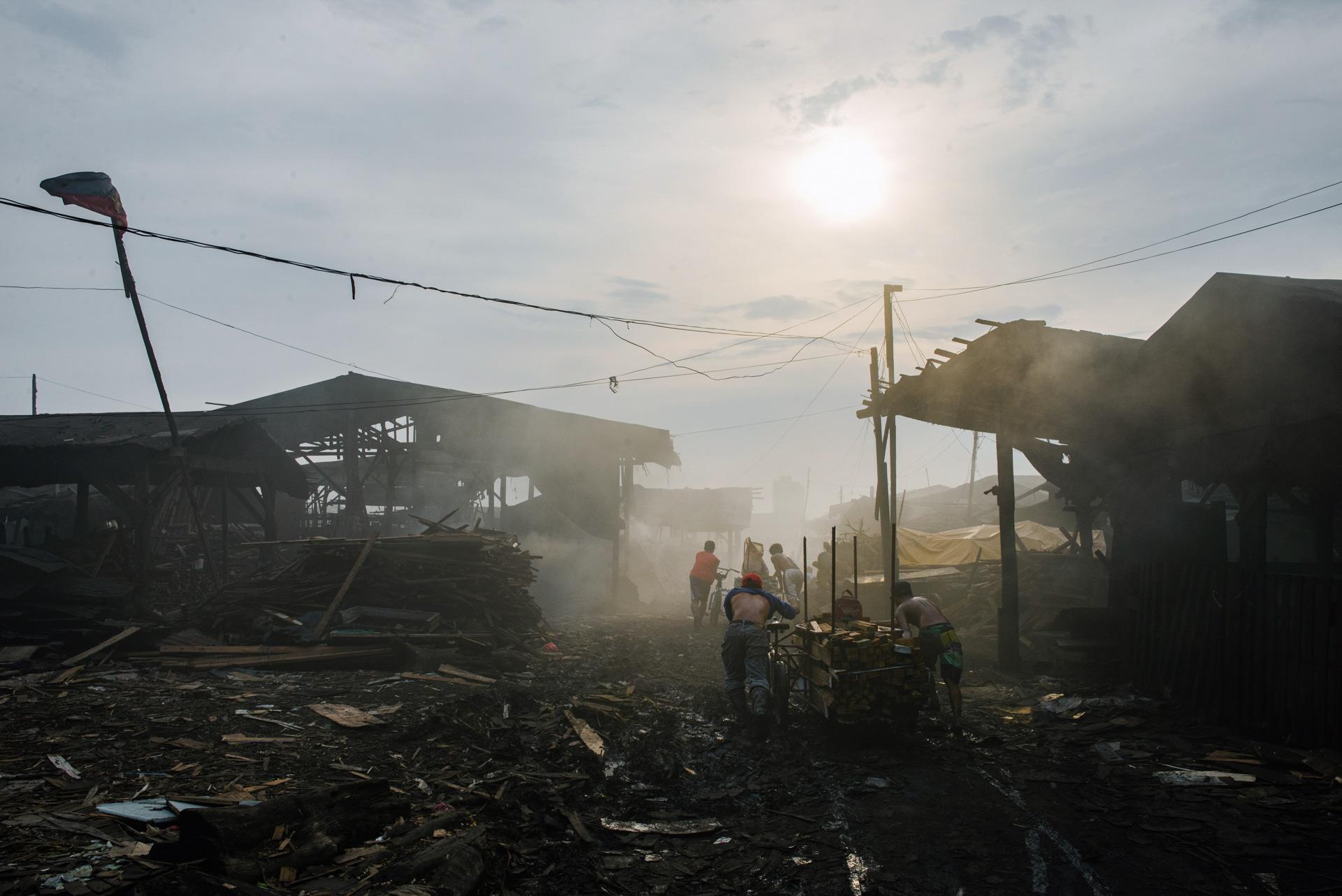
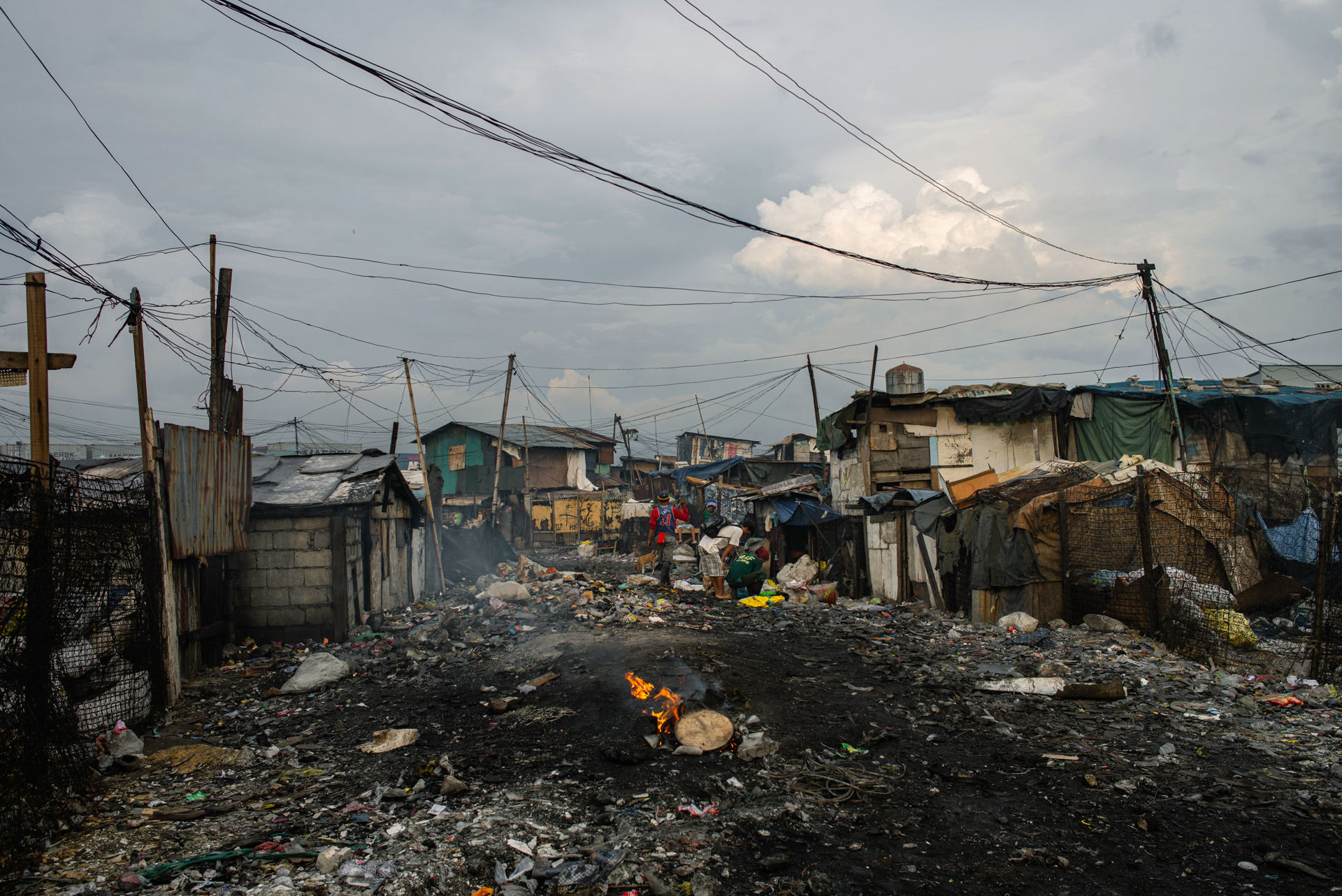
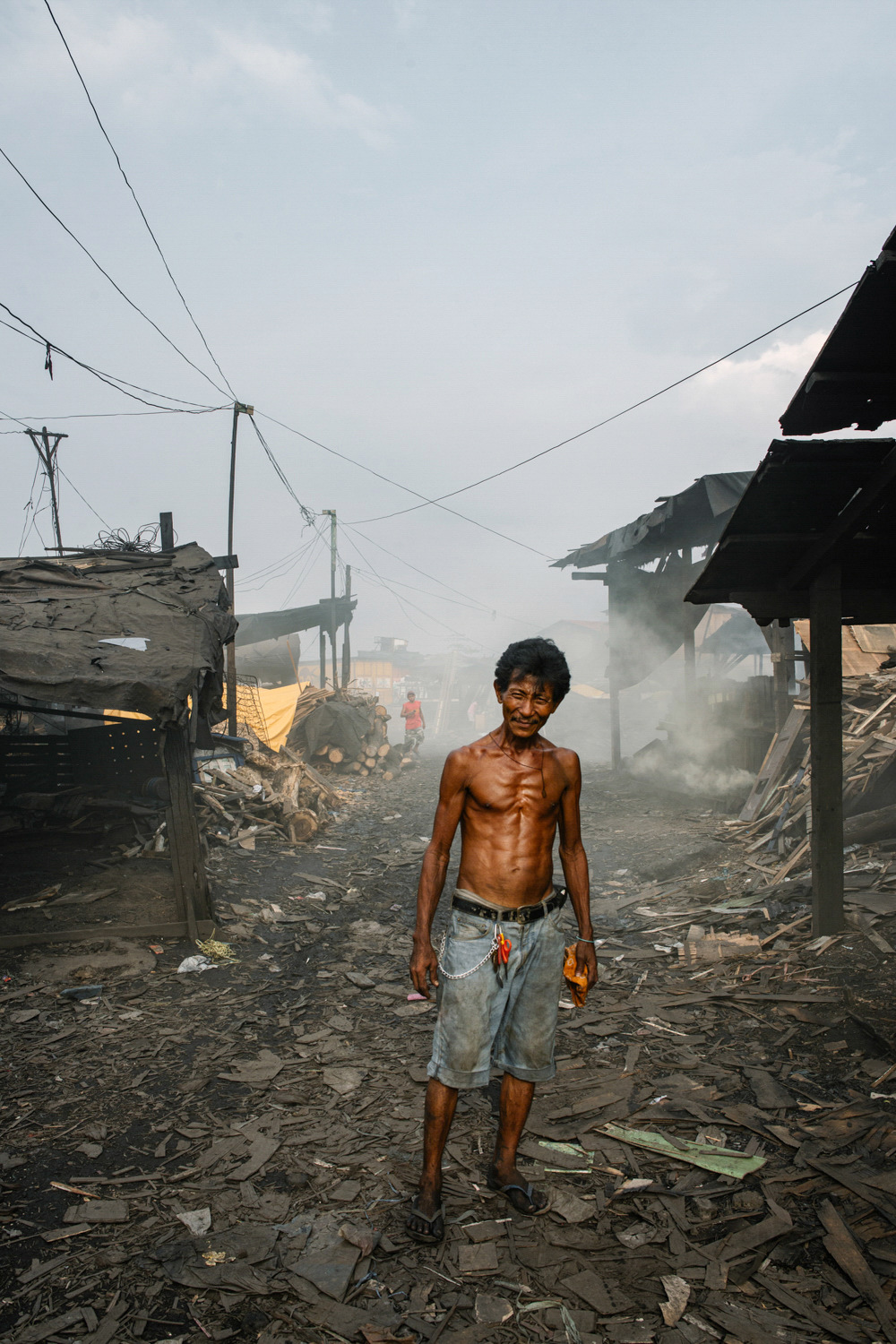
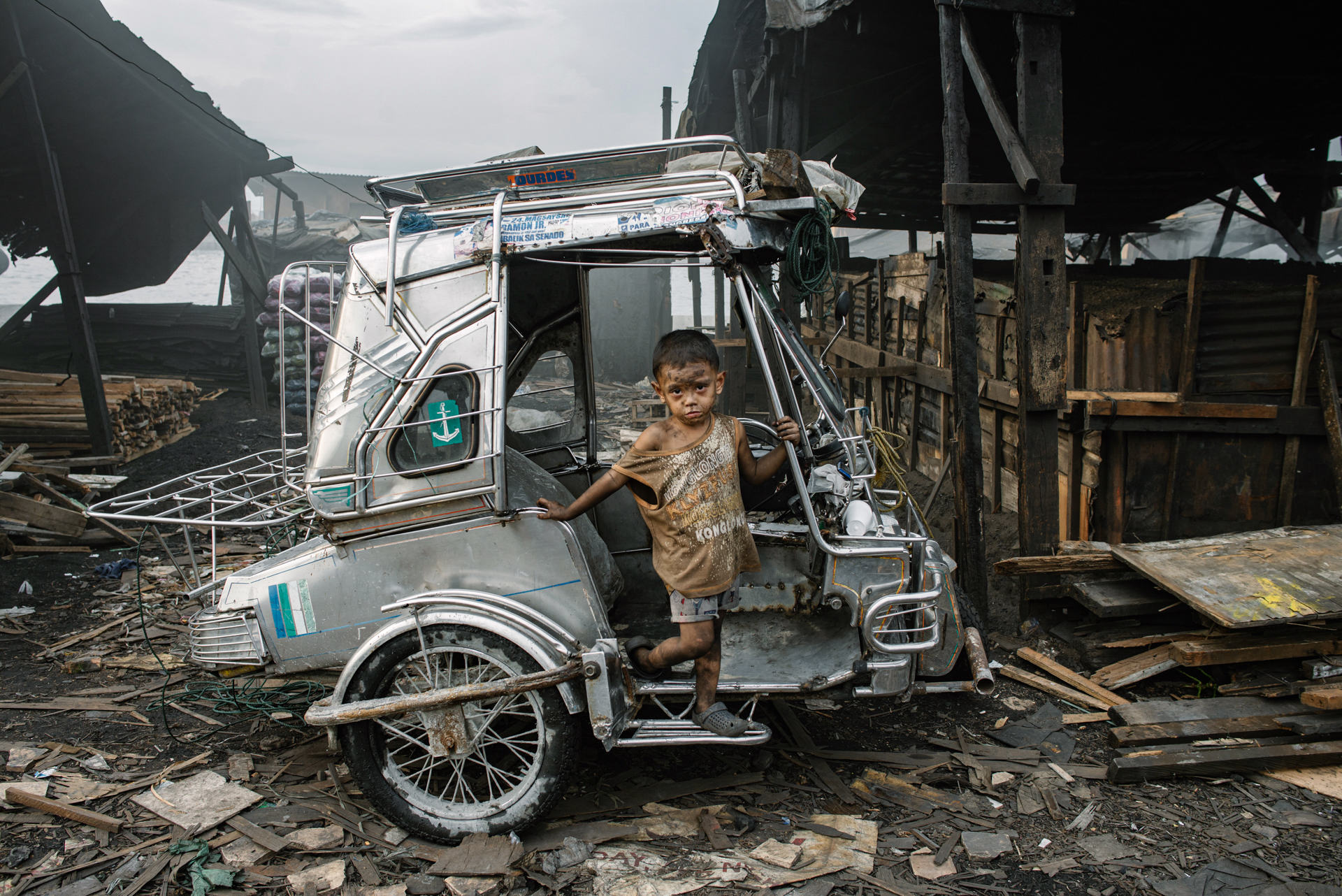
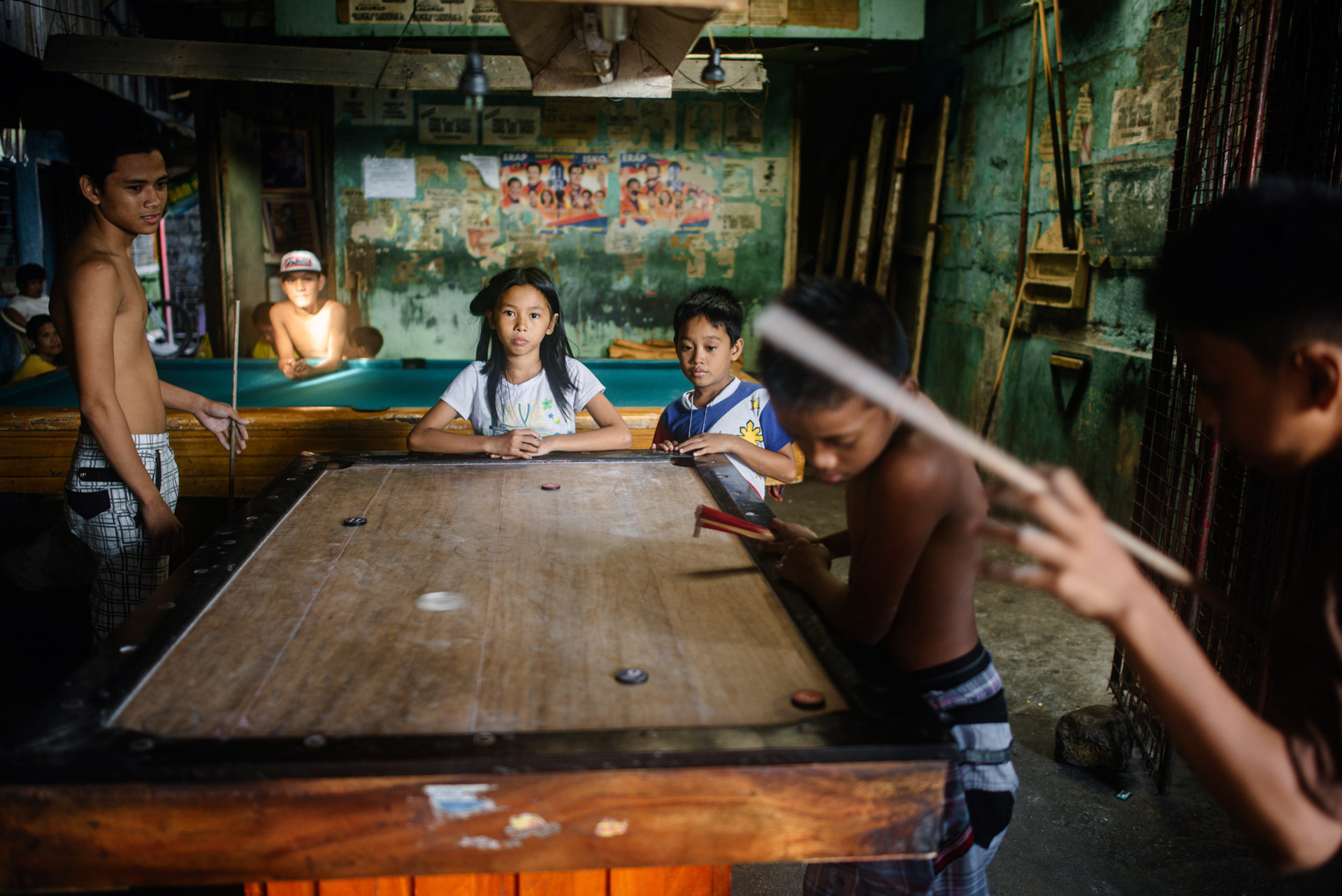
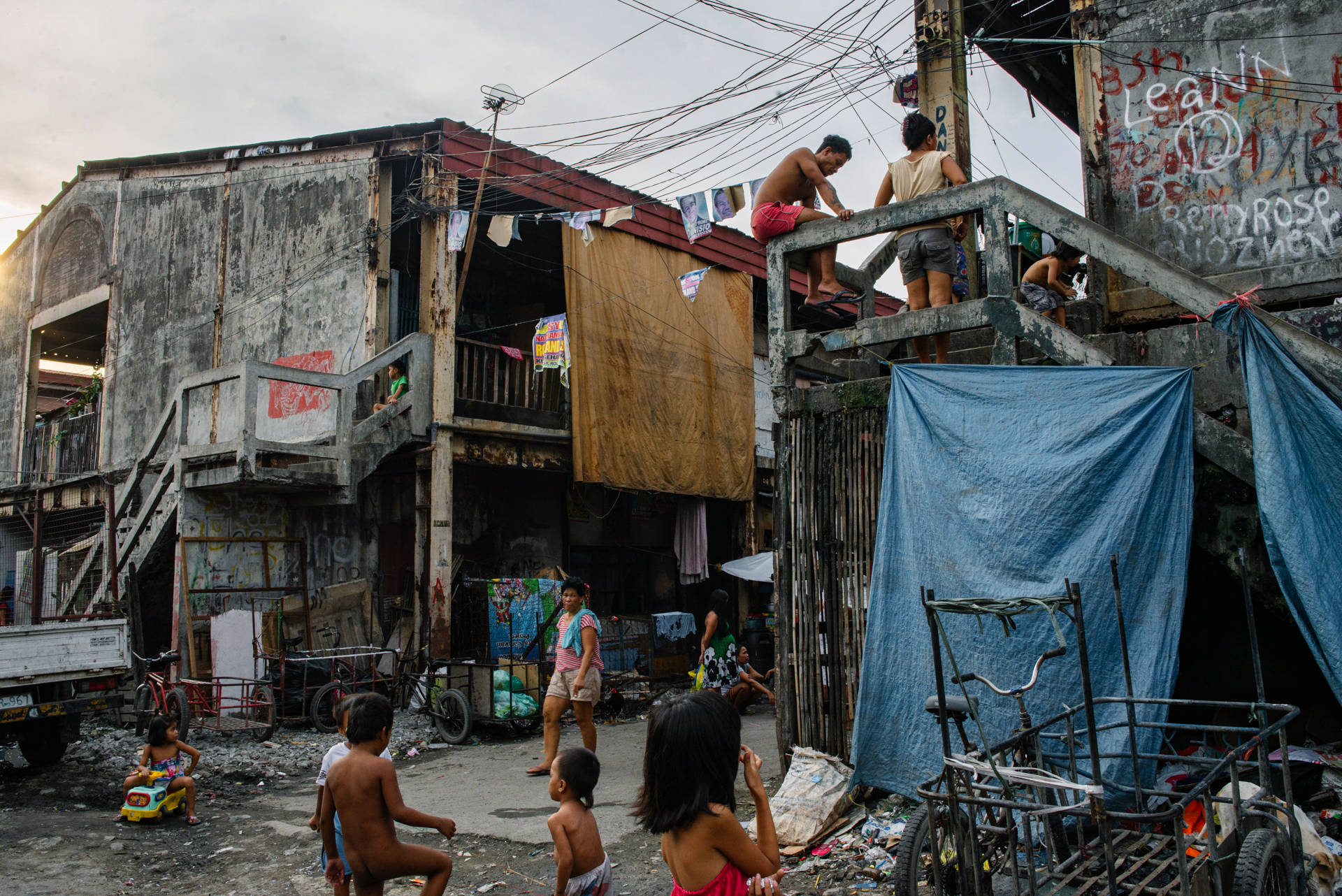
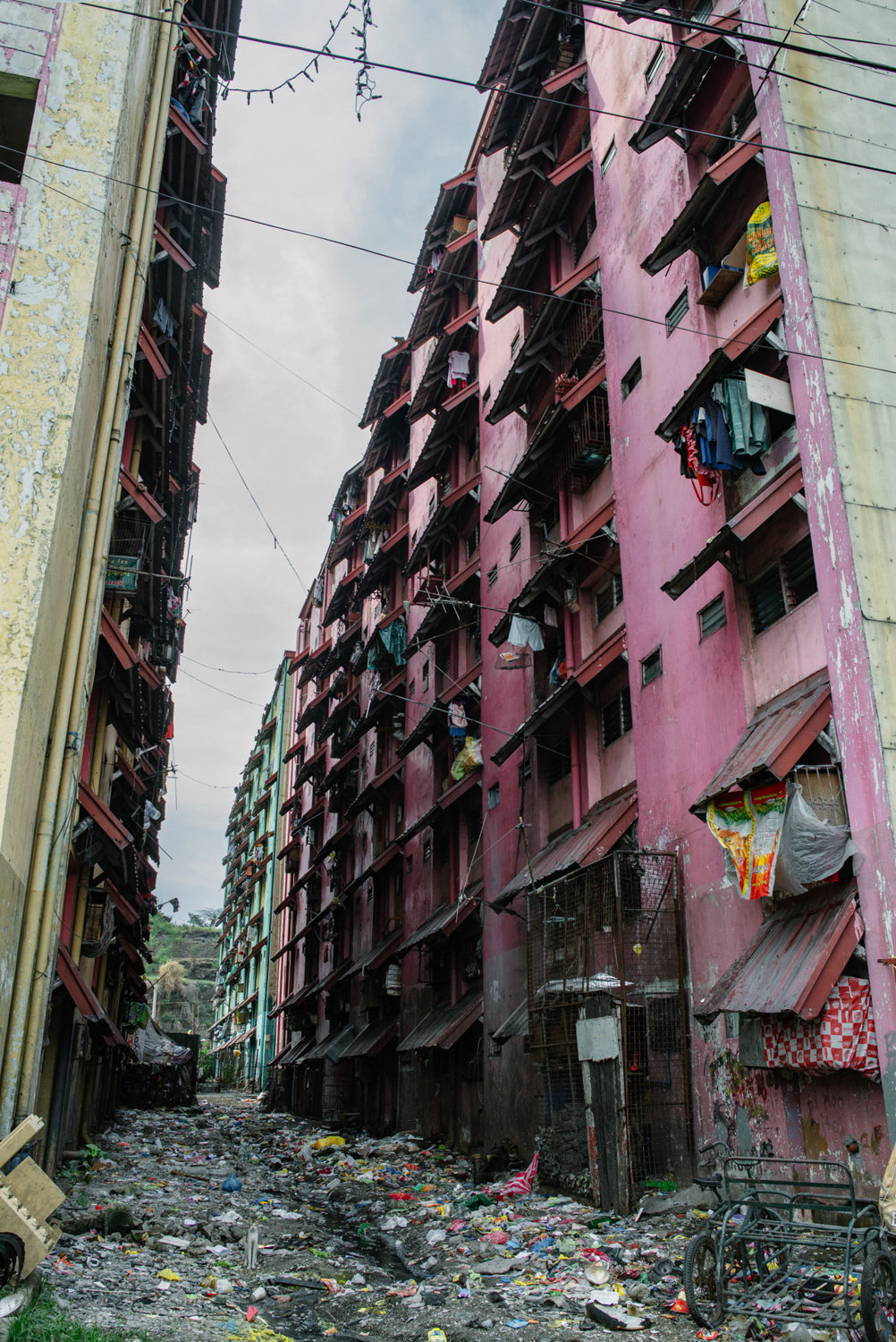
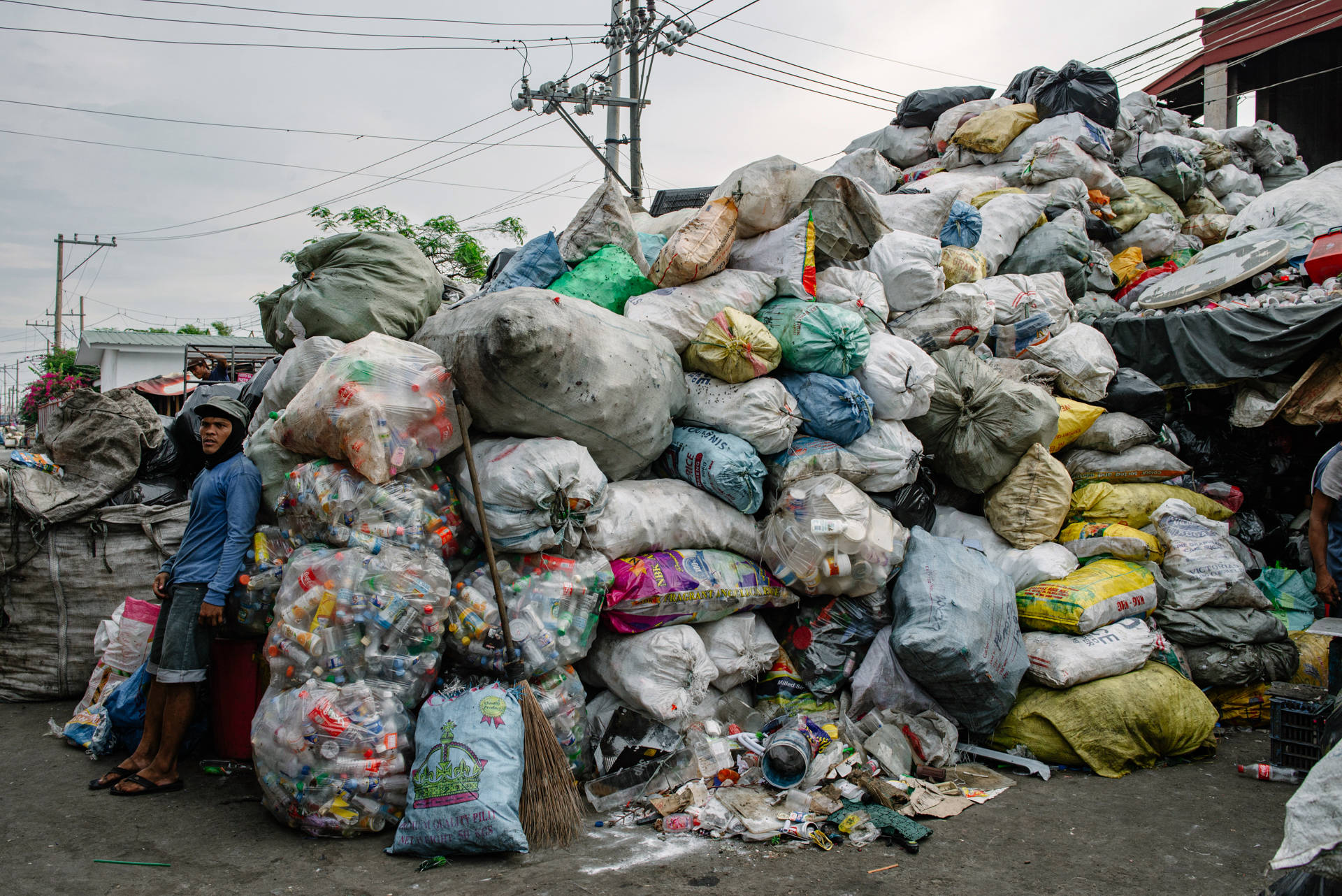
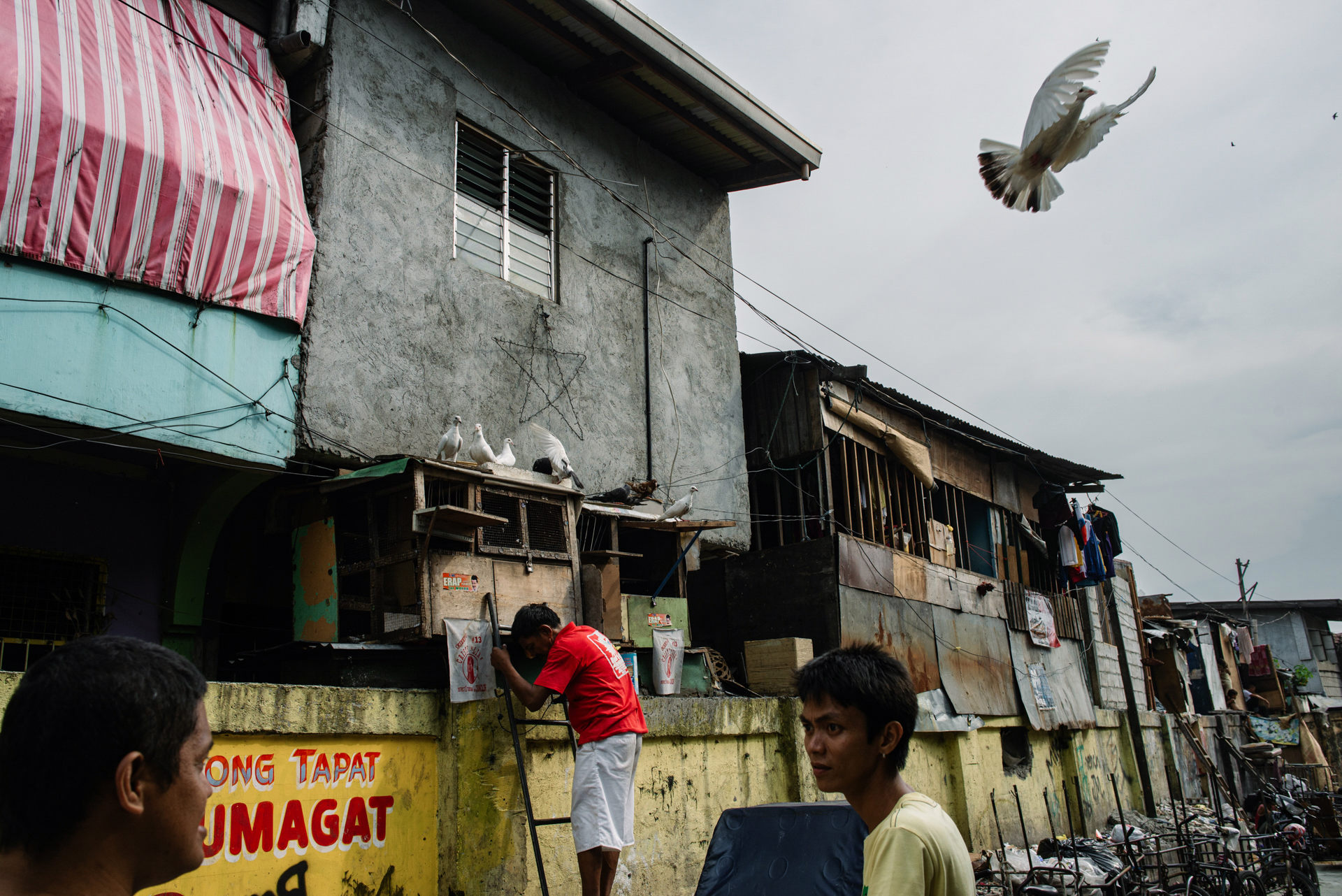
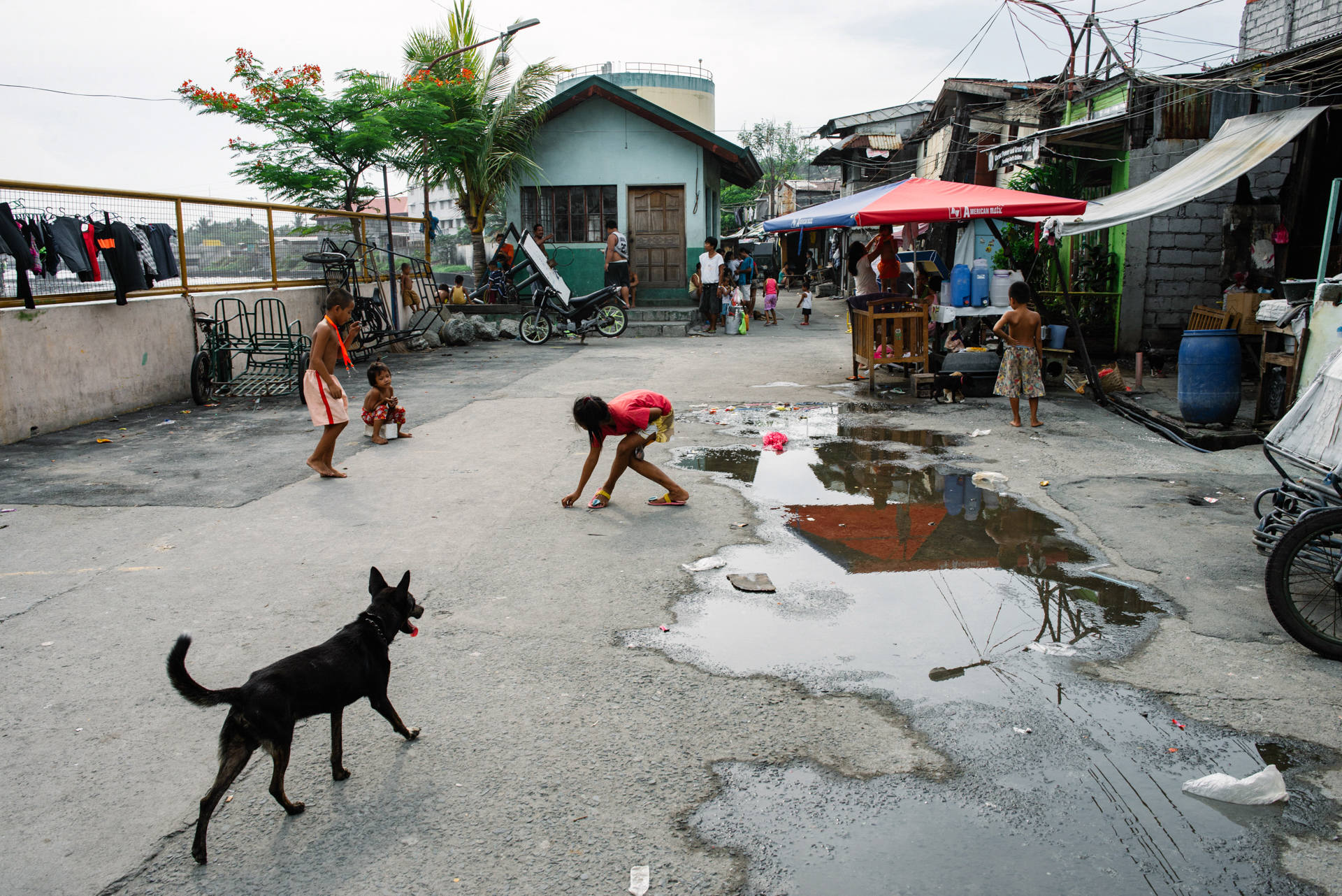
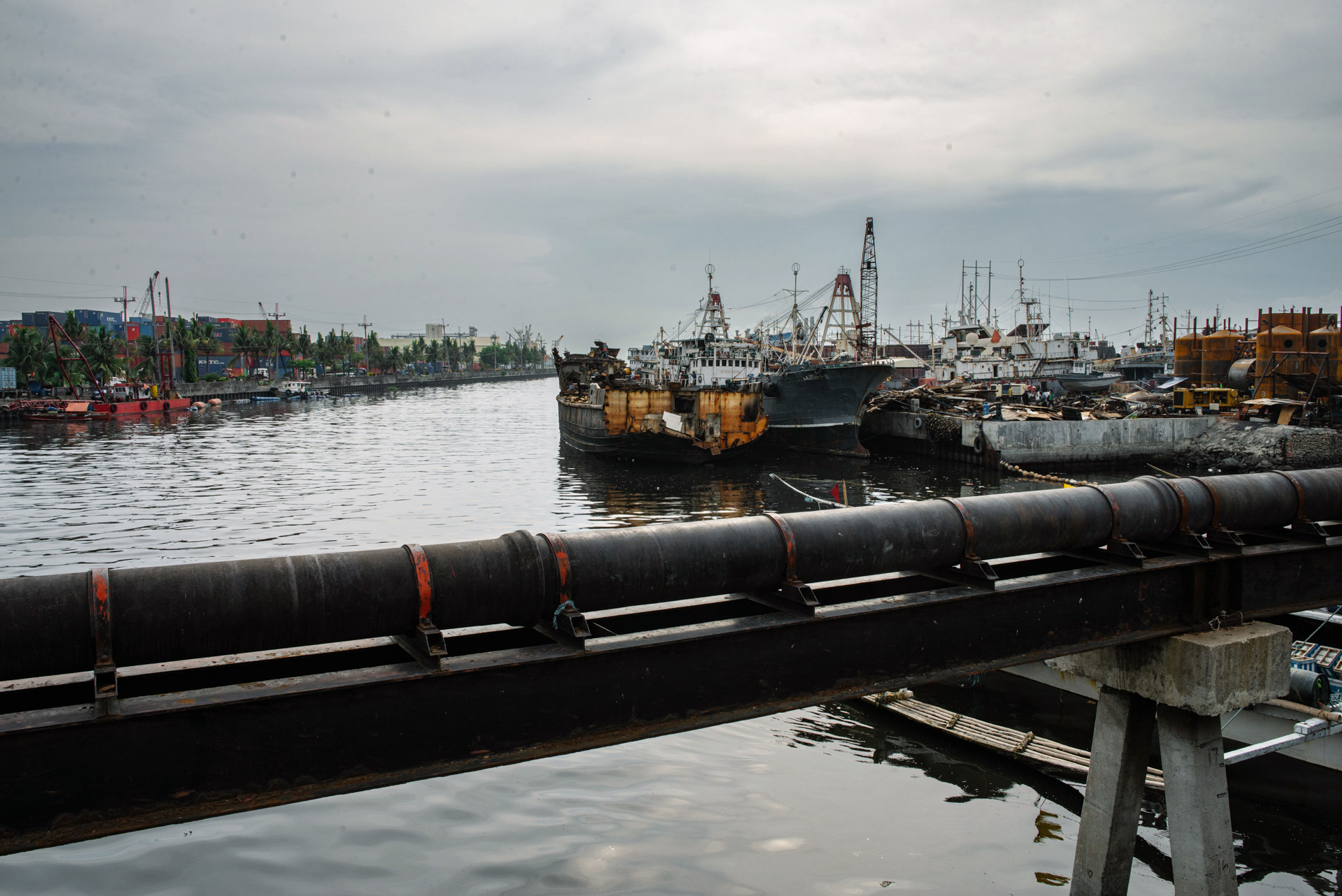
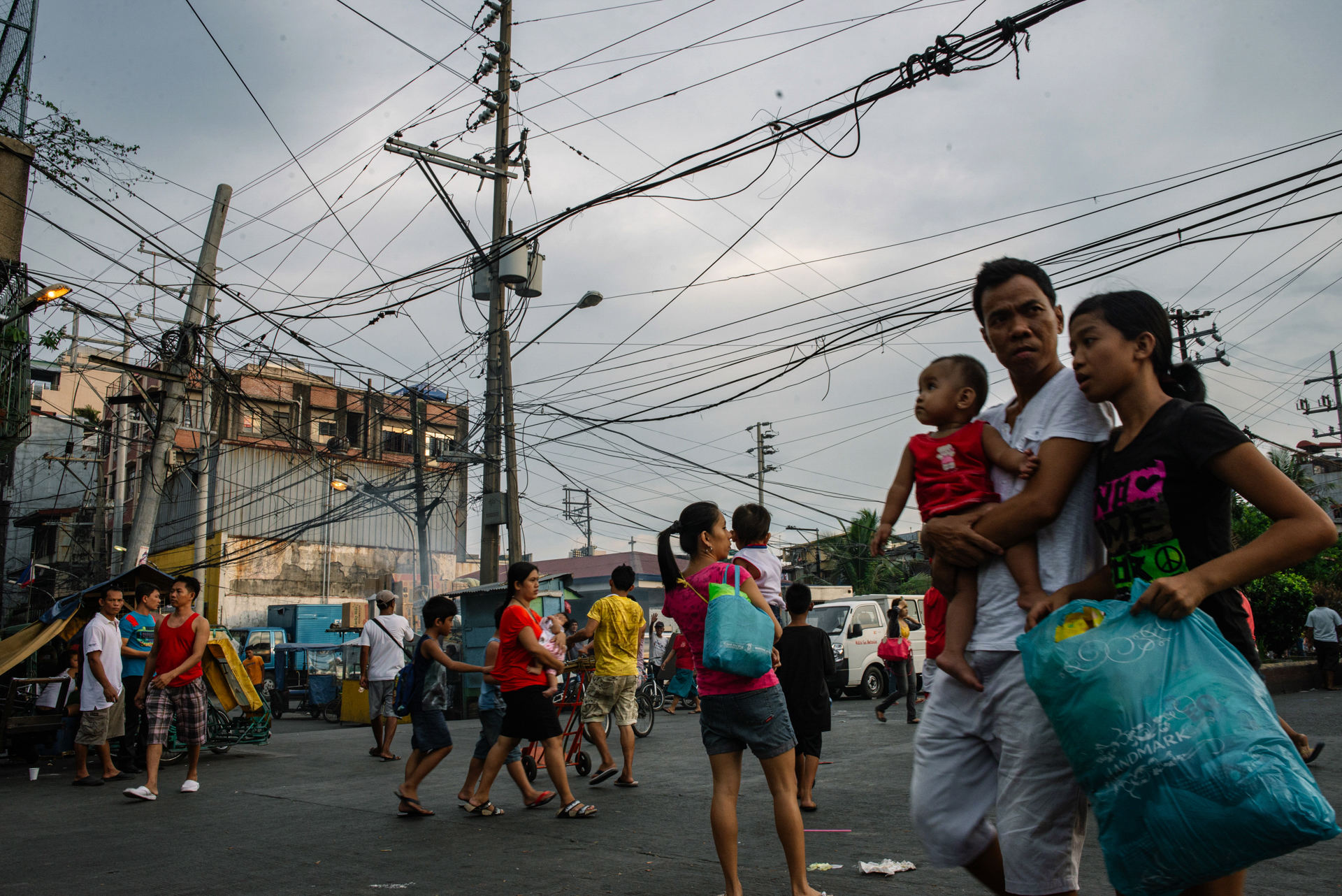
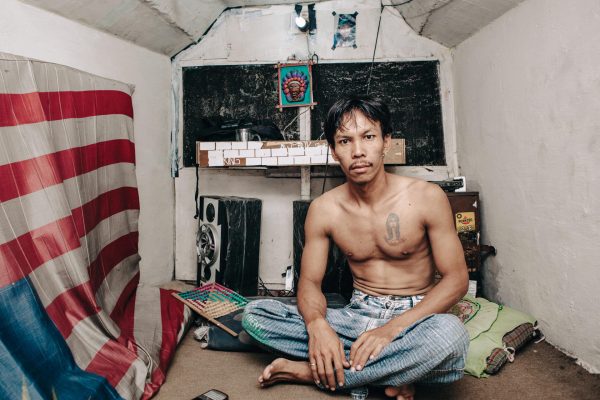
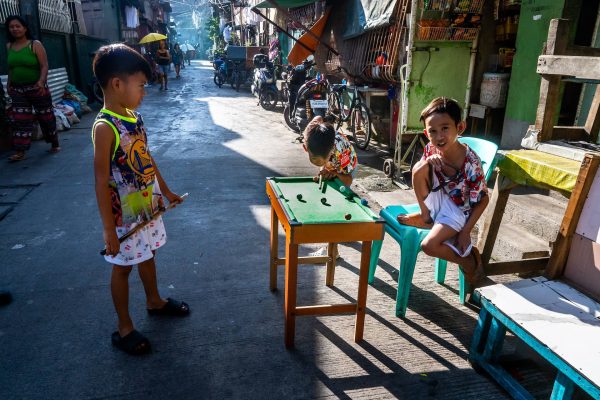
The capital of the Philippines, Manila, is a rapidly expanding metropolis of over 12 million people. Yet, beneath this relentless push toward modernization lies a harsh reality. In the northwestern part of the city, quarters like Tondo and the neighbouring Ulingan settlement are home to nearly 600,000 residents—many of them provincial migrants living in densely packed informal housing, facing severe unemployment and marginalization.
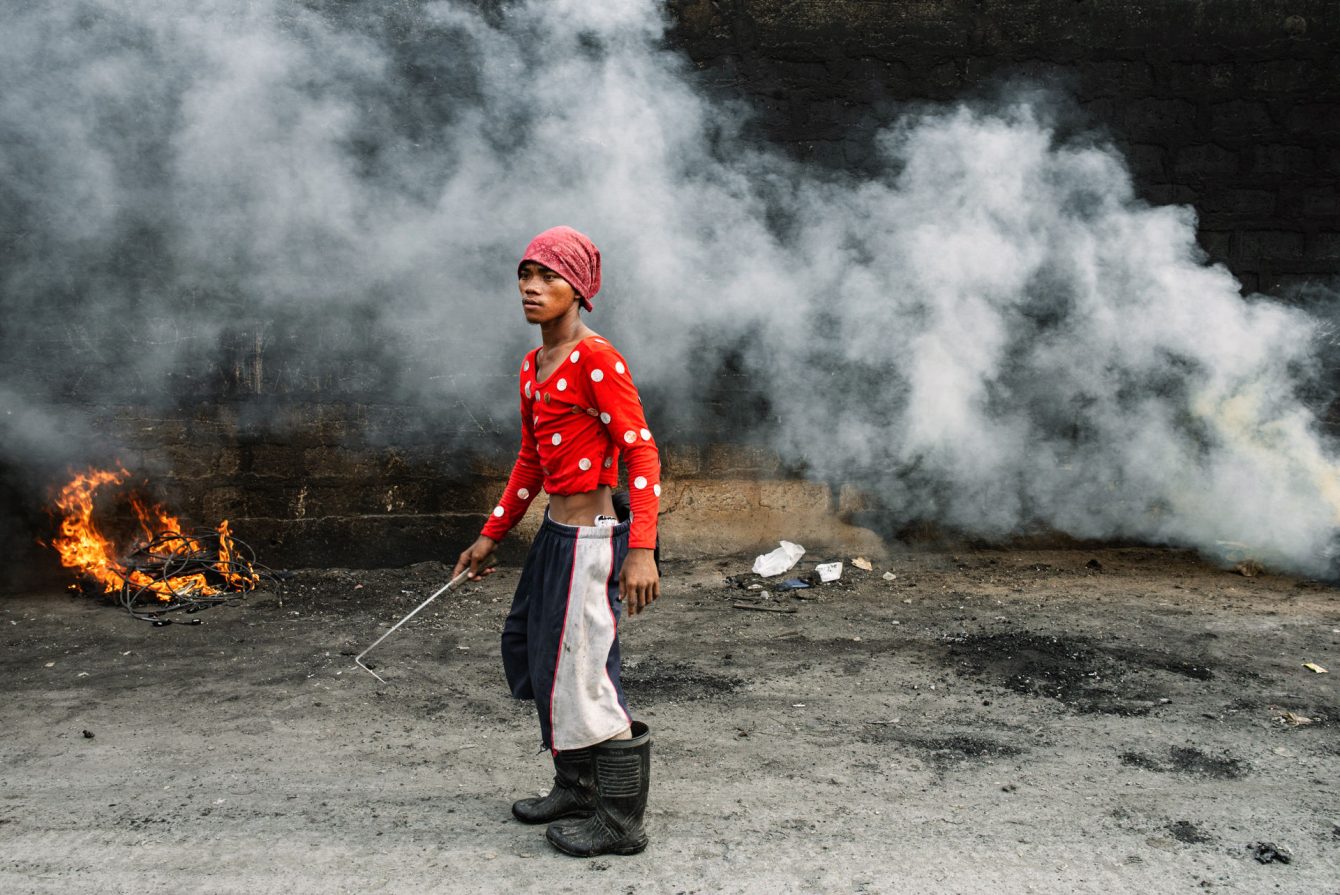
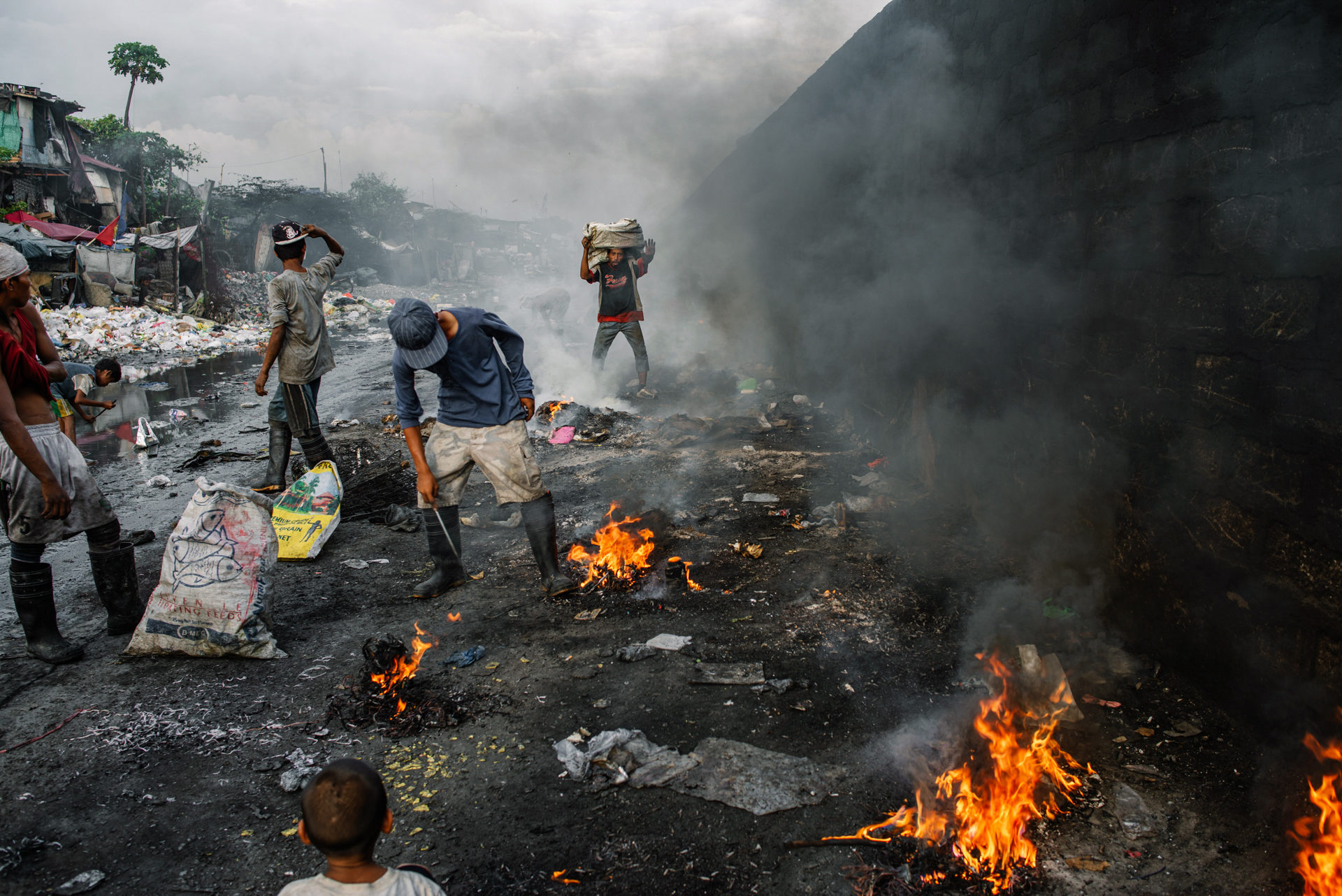
Ulingan takes its name from the local word for charcoal, as the settlement is built around the hazardous production of coal and the open-air burning of electronic waste to scavenge metals like copper and silver. The air is enveloped in thick, toxic smoke that gravely threatens the health of the community, trapping families and children in a vicious cycle of energy poverty.
During a brief visit, I spent just two afternoons exploring these quarters. Equipped with just a single 28mm lens, I moved with a swift, urgent stride, deeply aware of my limited time on the ground and capturing moments almost in a single breath. The colour palette was dominated by muted tones of charcoal, ash, and smoke, creating an atmosphere suspended in time, where I felt completely immersed in its flux.
Captured under such tight constraints, this body of work became a quiet record of life in the shadow of a city undergoing relentless modernization. Leaving the settlement and stepping back onto the main city avenues felt deeply surreal, as if moving between two separate worlds, carrying a quiet, lasting weight from a reality that exists just beyond the margins of the visible city.