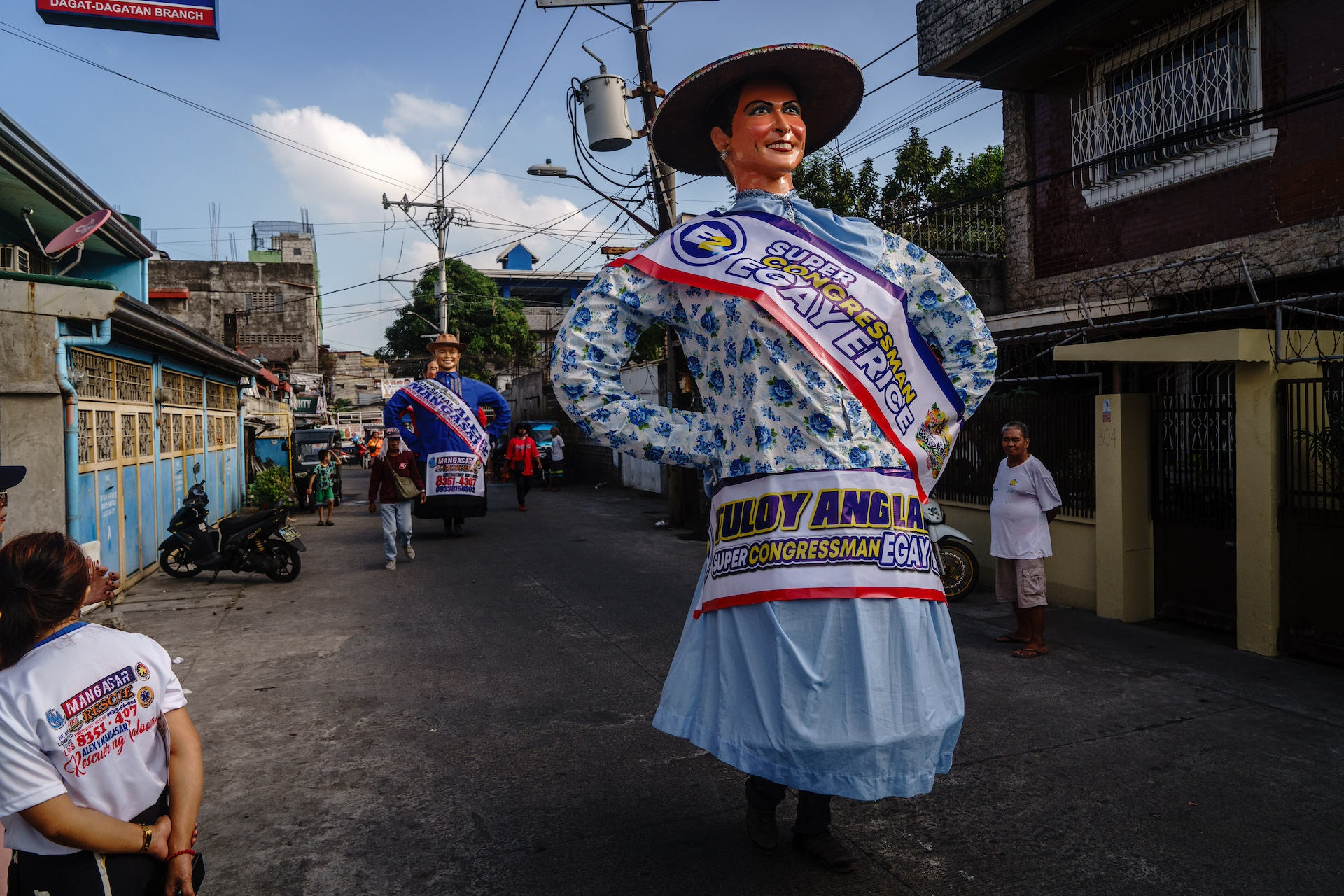
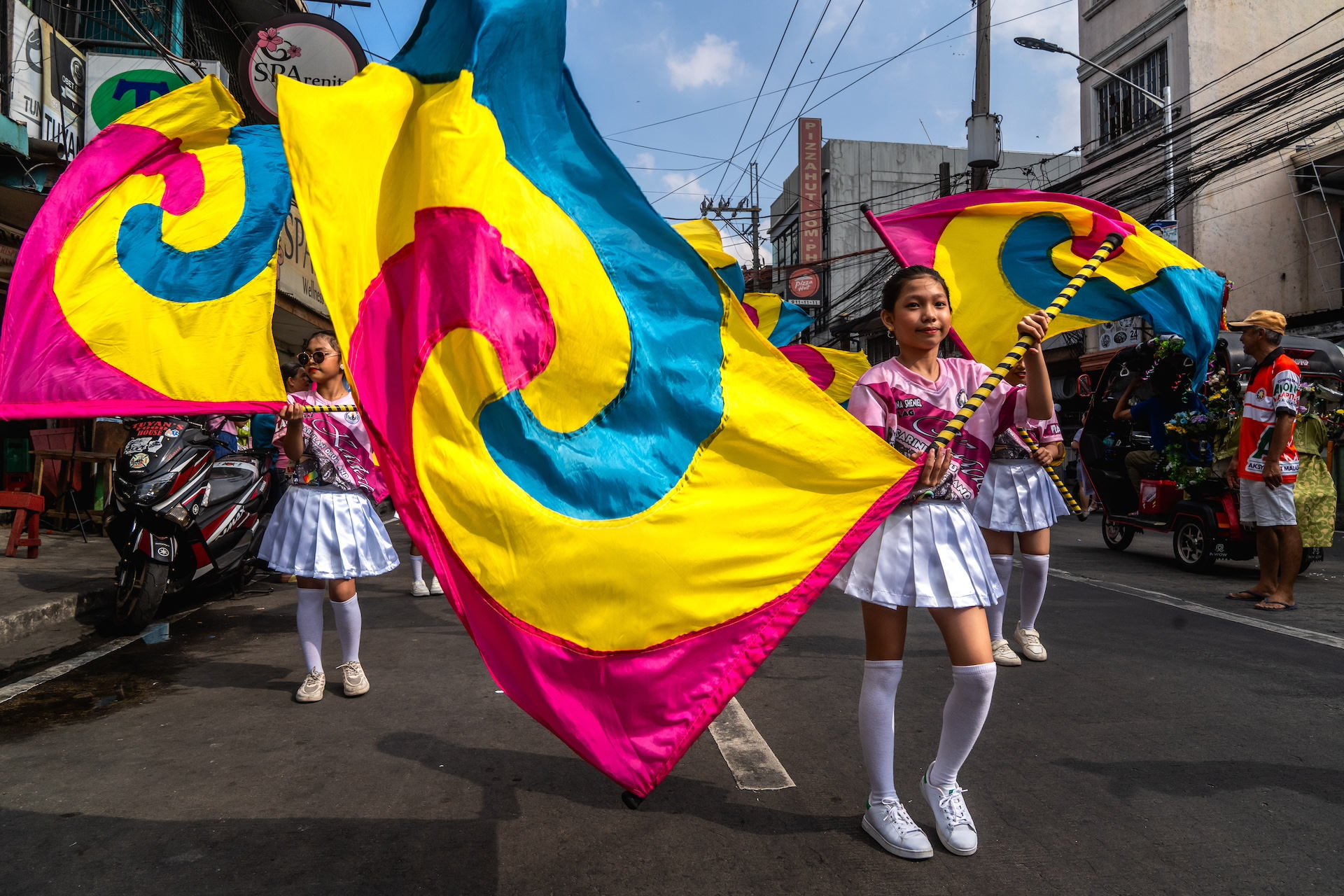
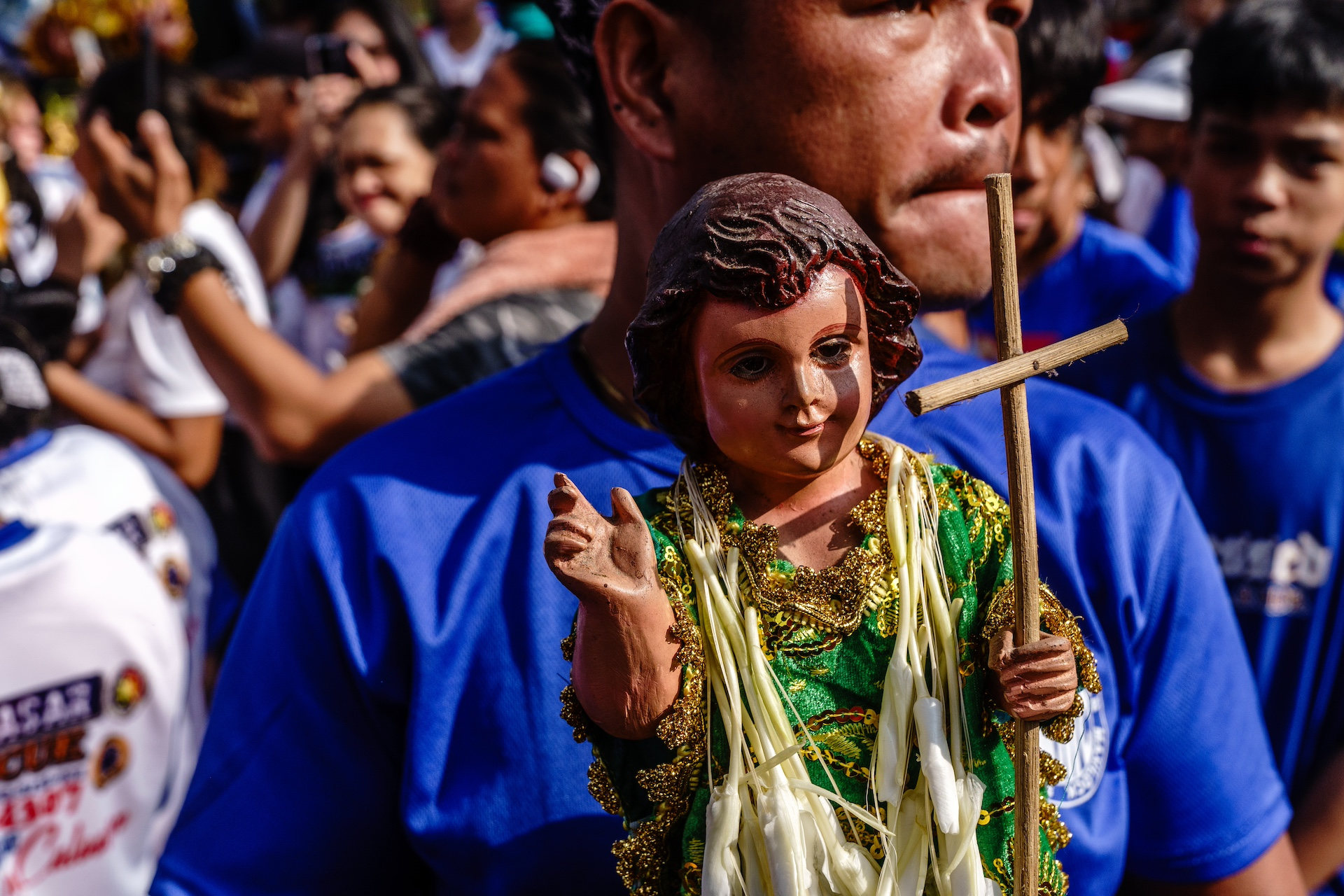
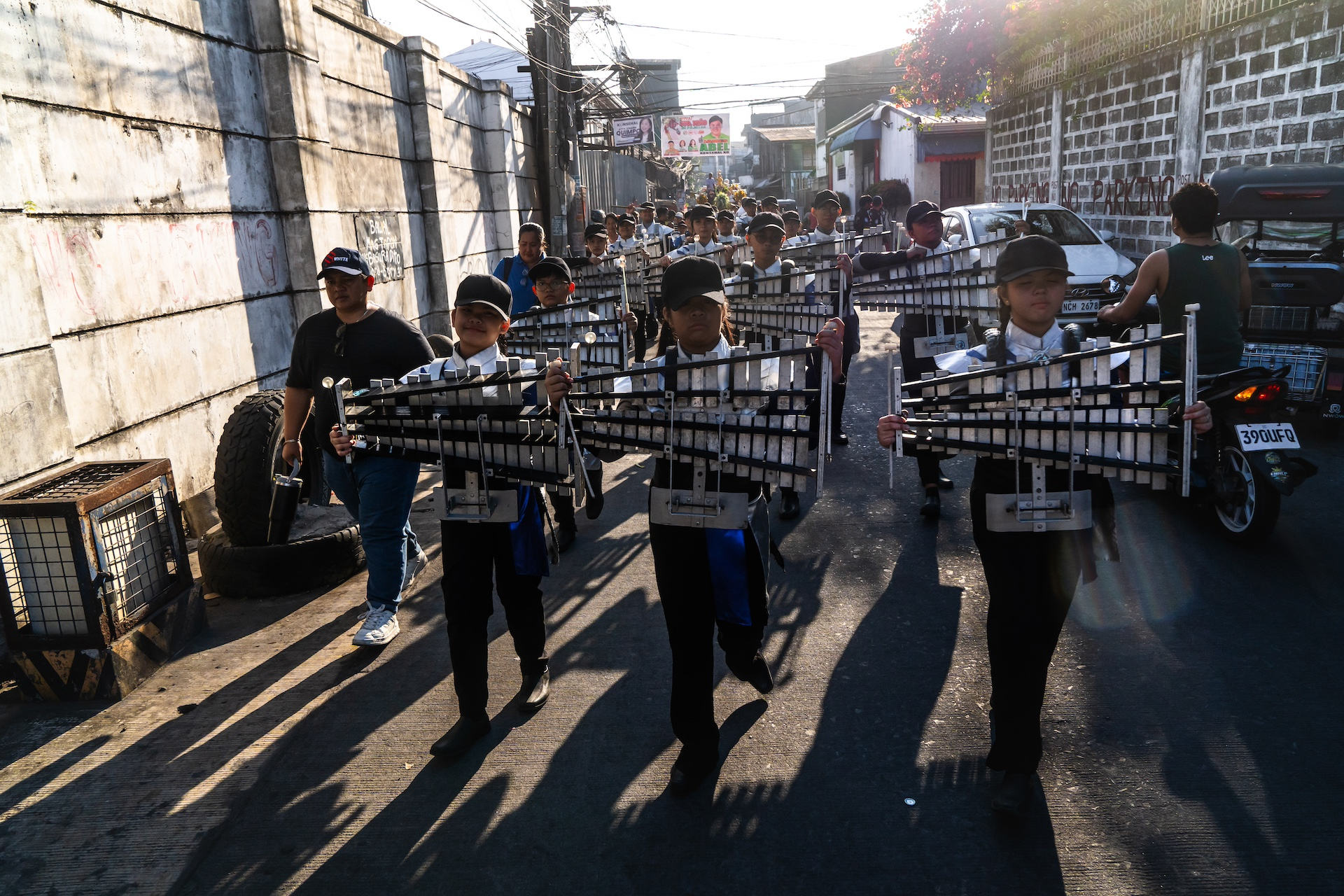
Flesh and Faith: The People Who Make Manila
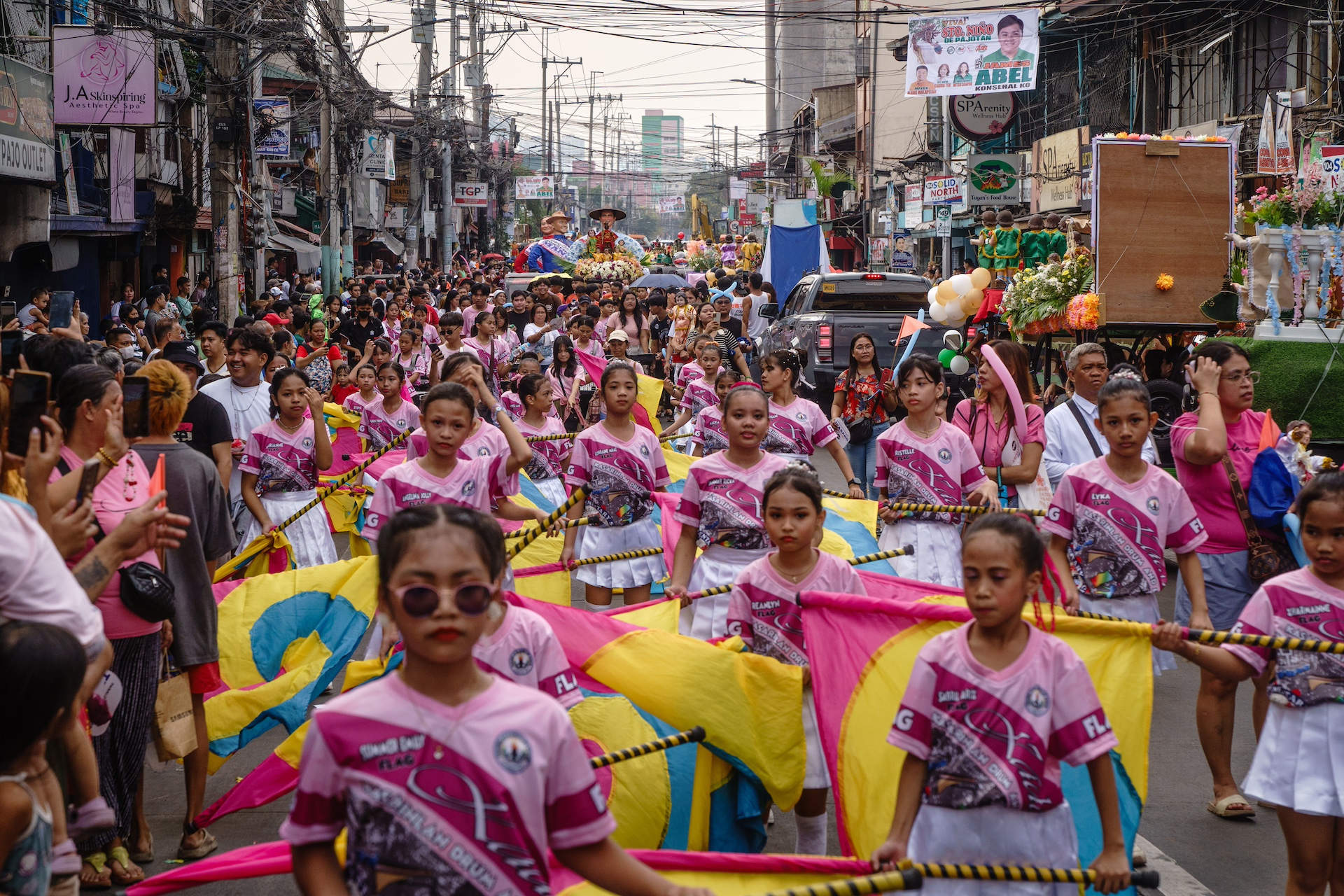
Manila’s tourist trail runs nowhere near Tondo. That was the reason for going.
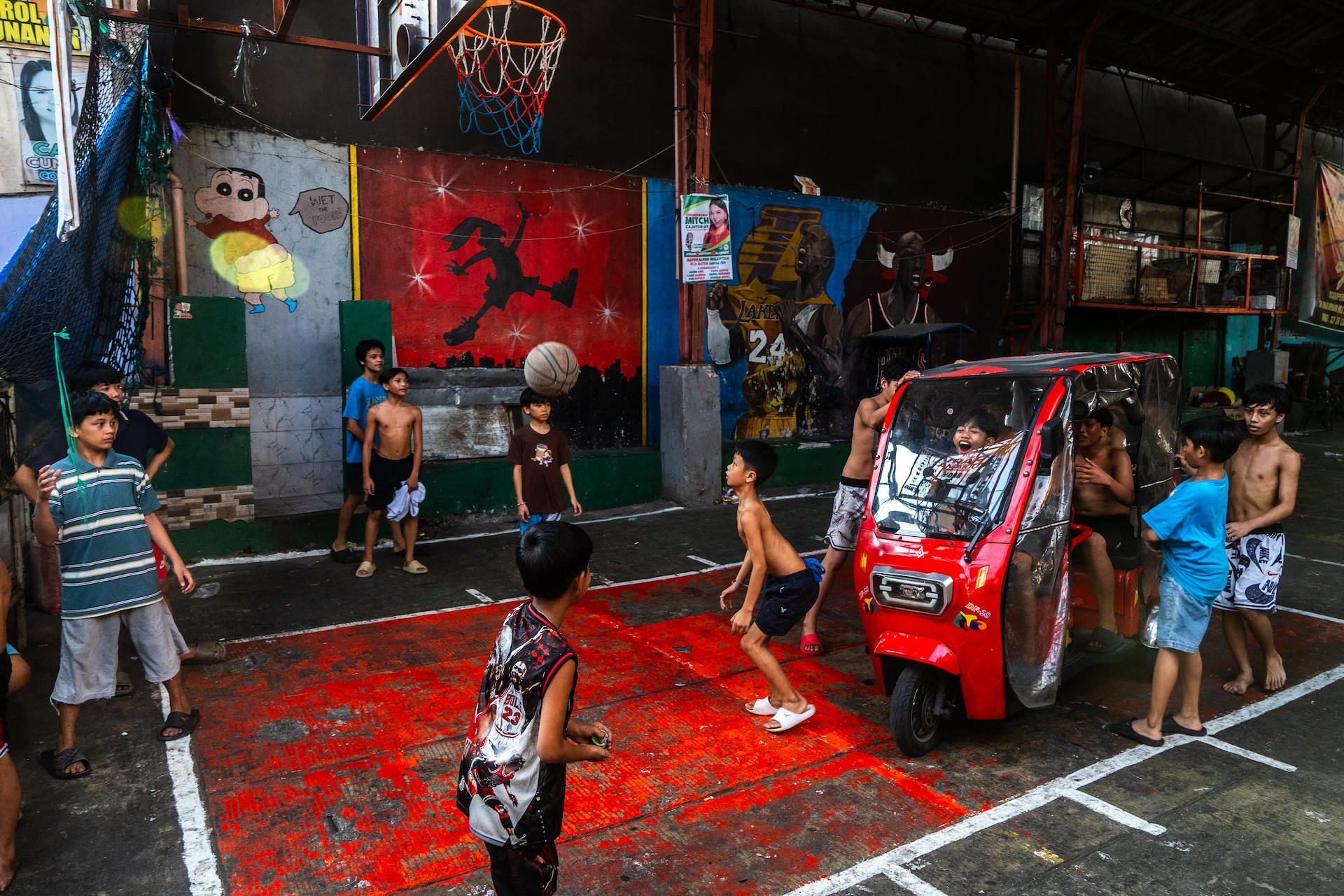
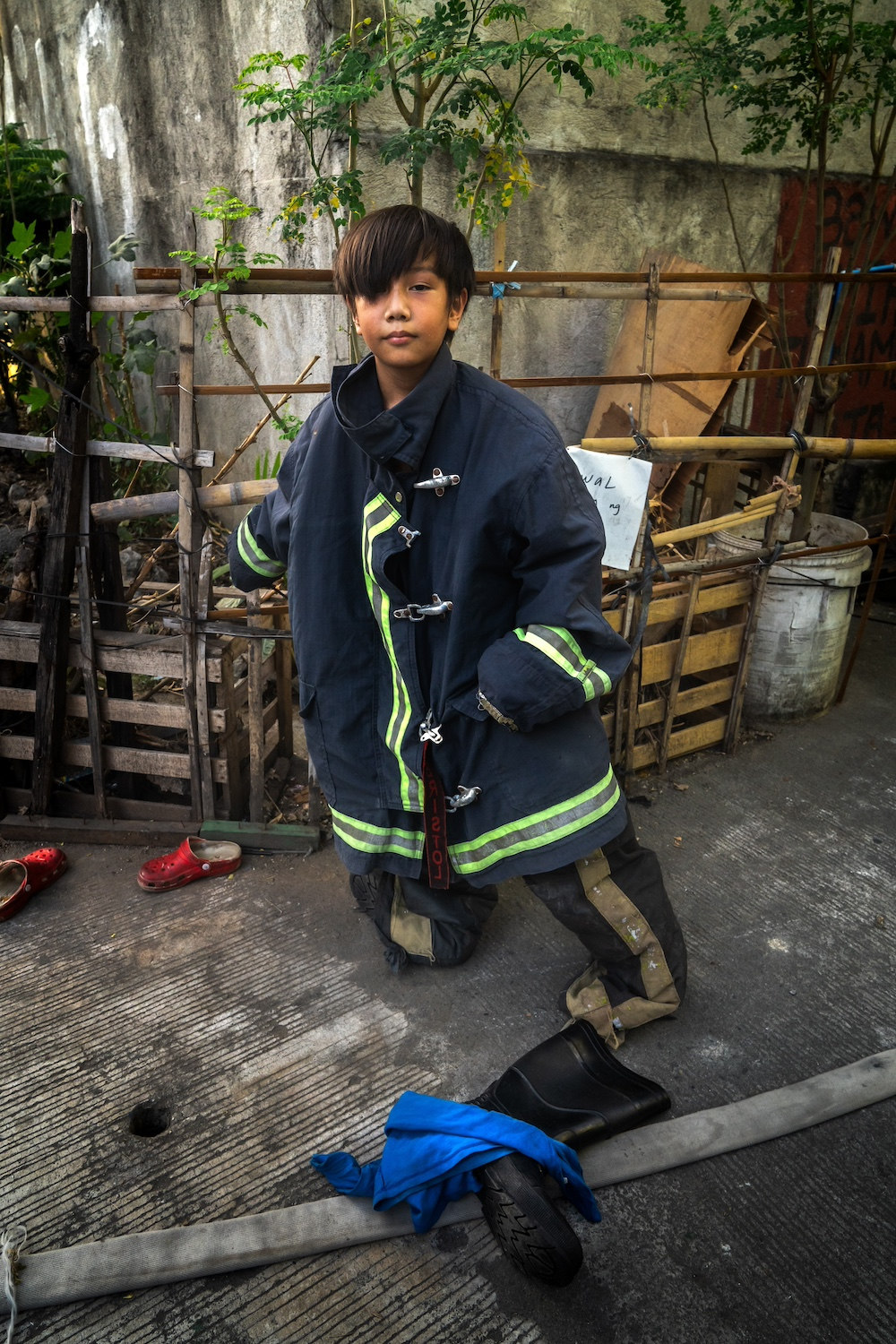
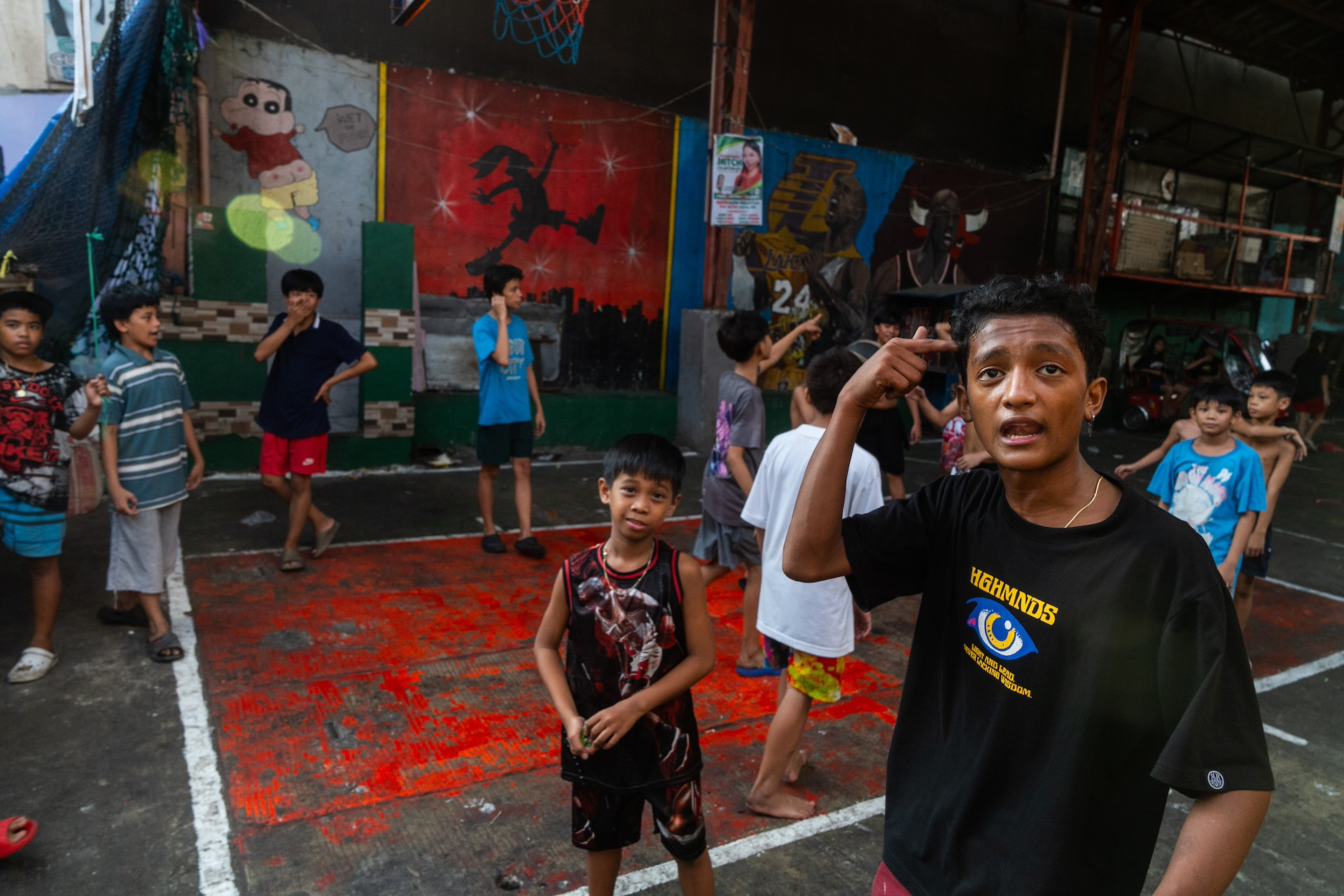
I arrived with only a handful of pins on a map and no fixed itinerary, pulled toward the parts of the city the guidebooks leave blank. Tondo, one of Manila’s most densely populated districts, carries a reputation as a slum. What I found there, in its people, in their resilience, in their hospitality, was nothing that word could account for.
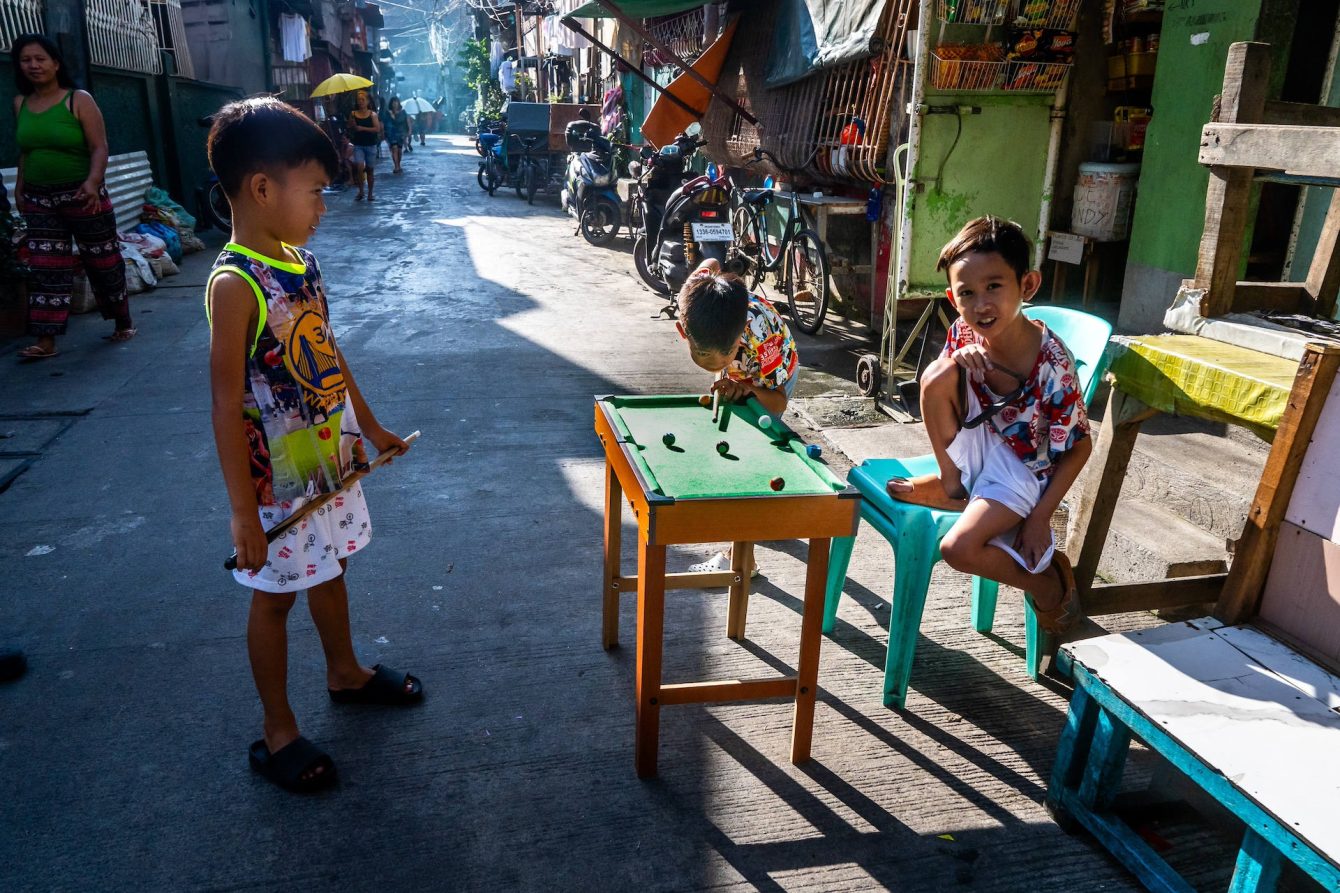
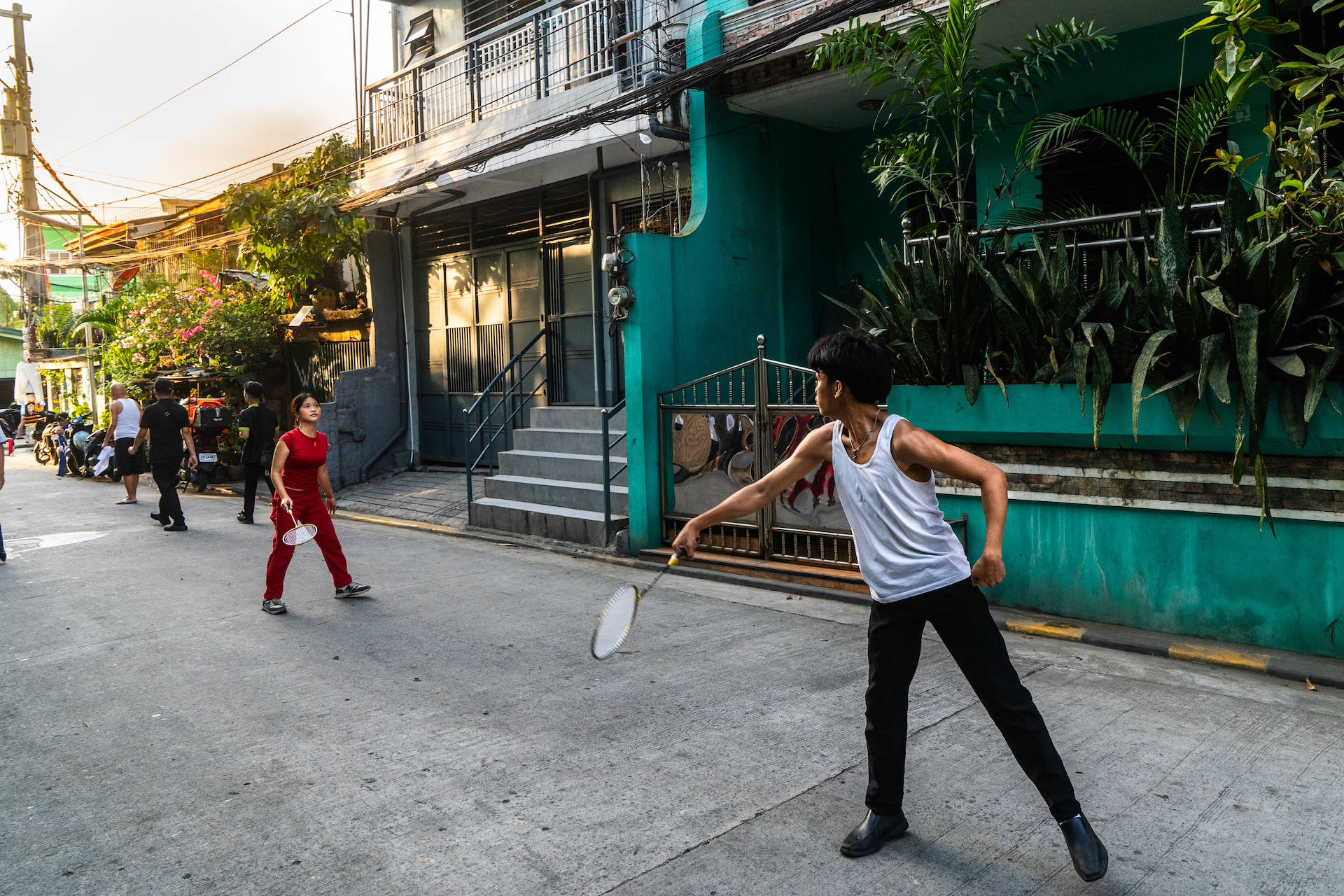
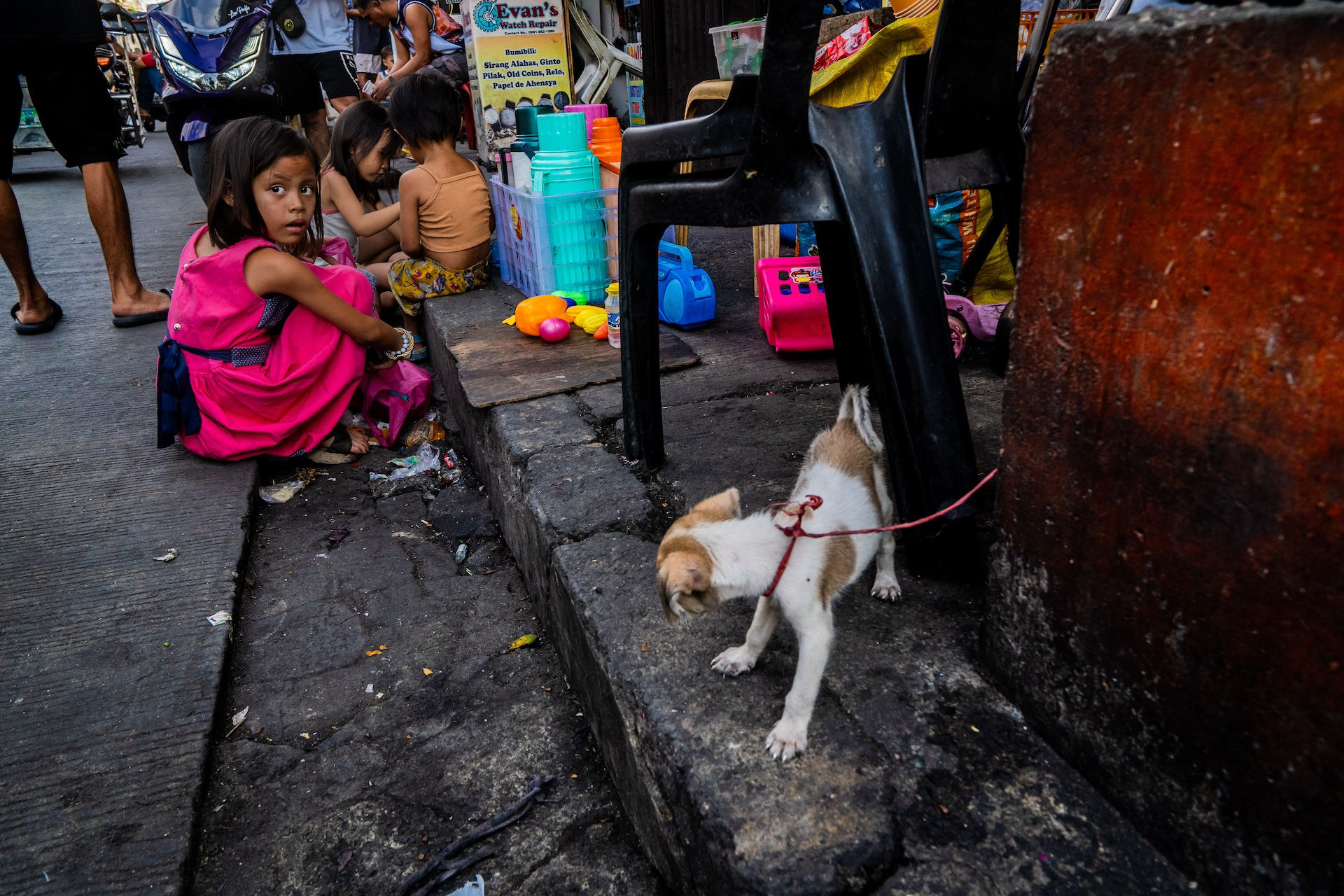
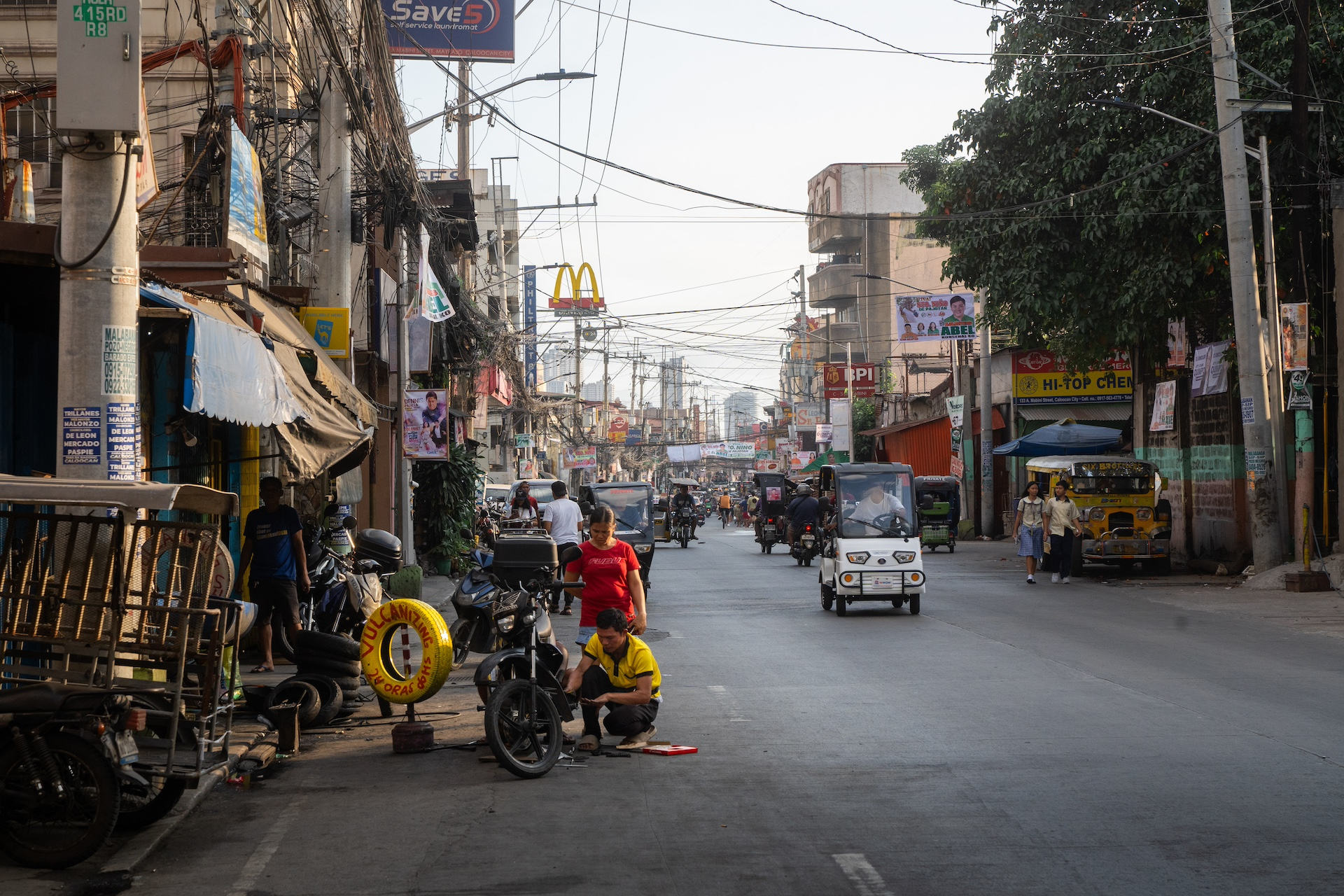
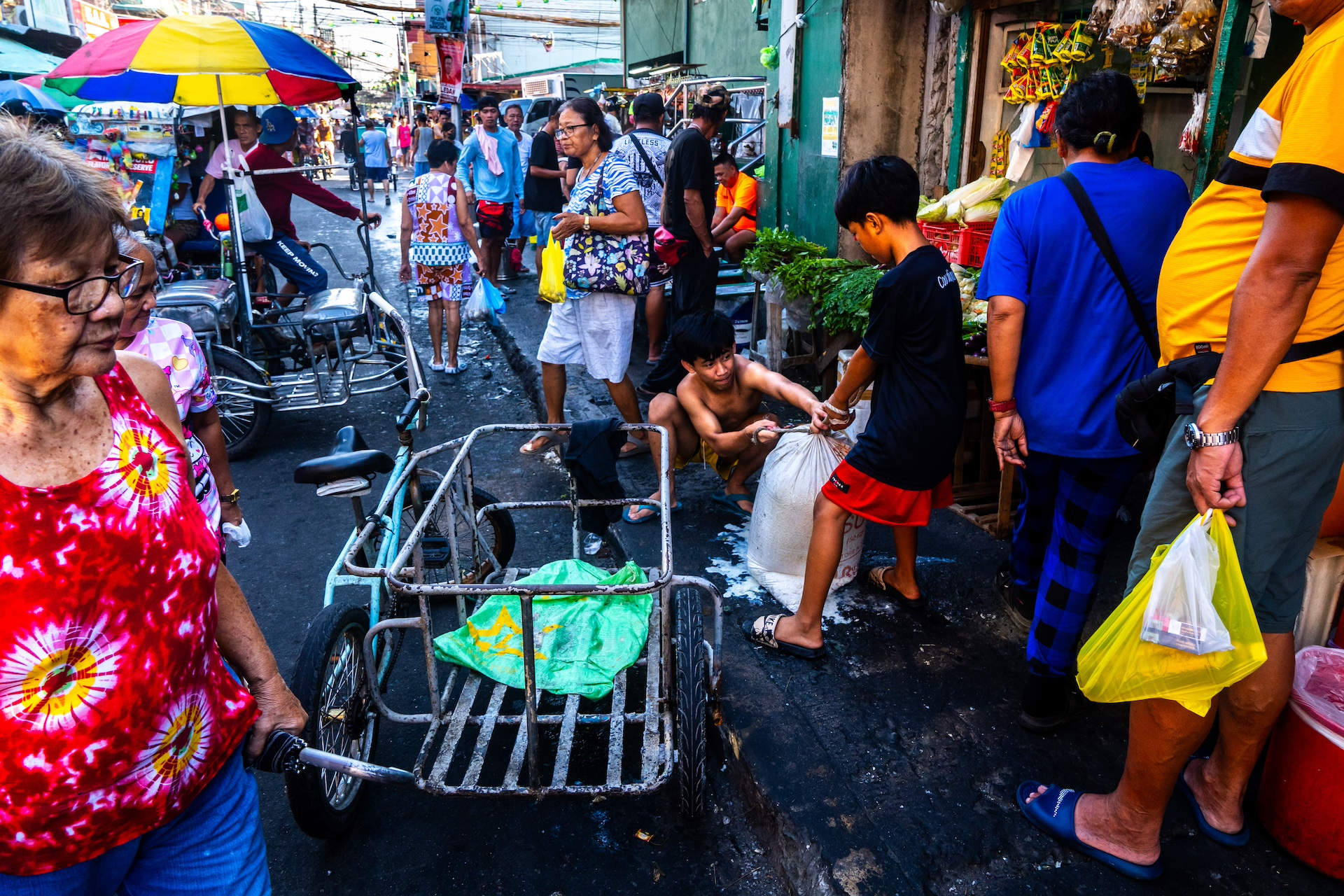
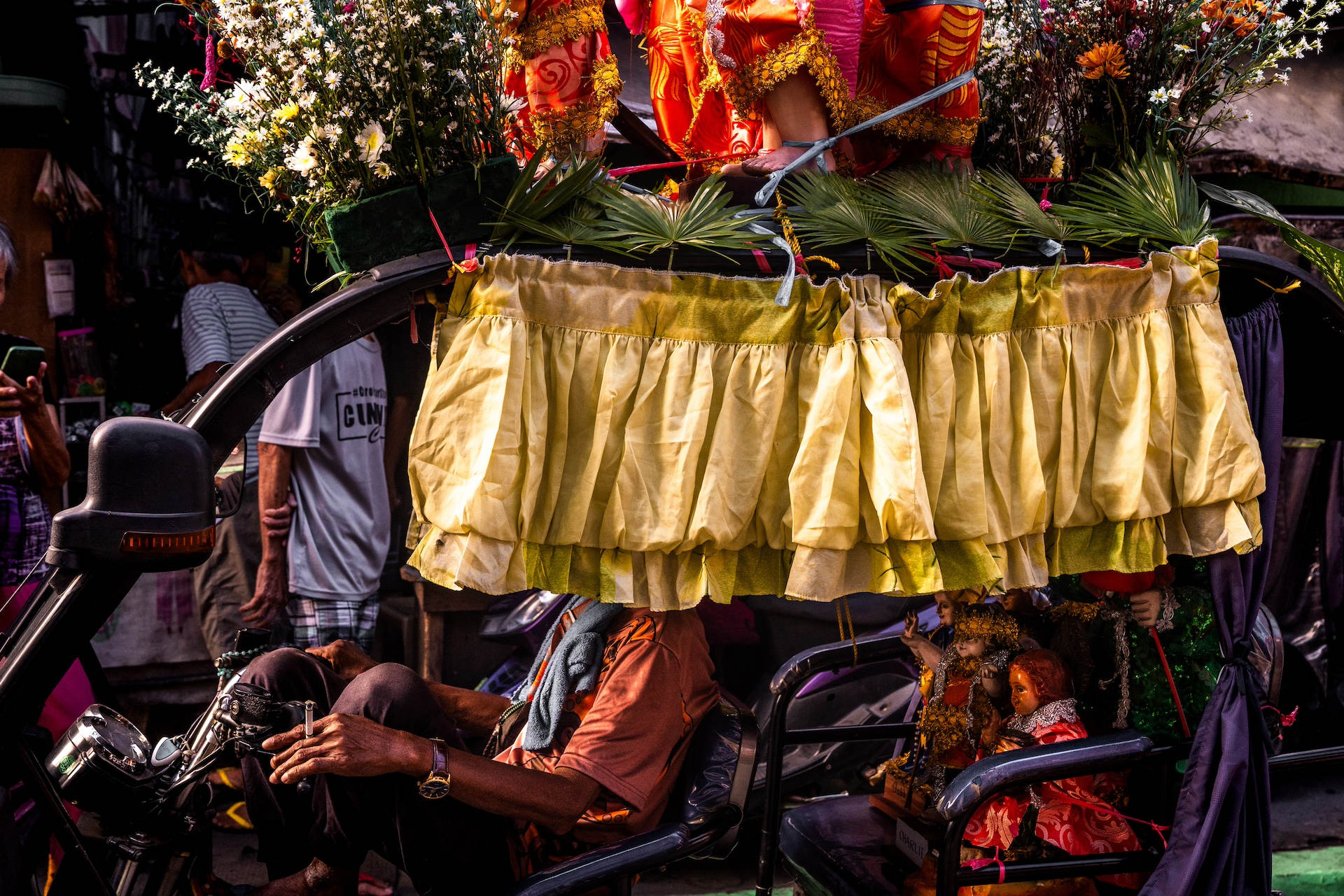
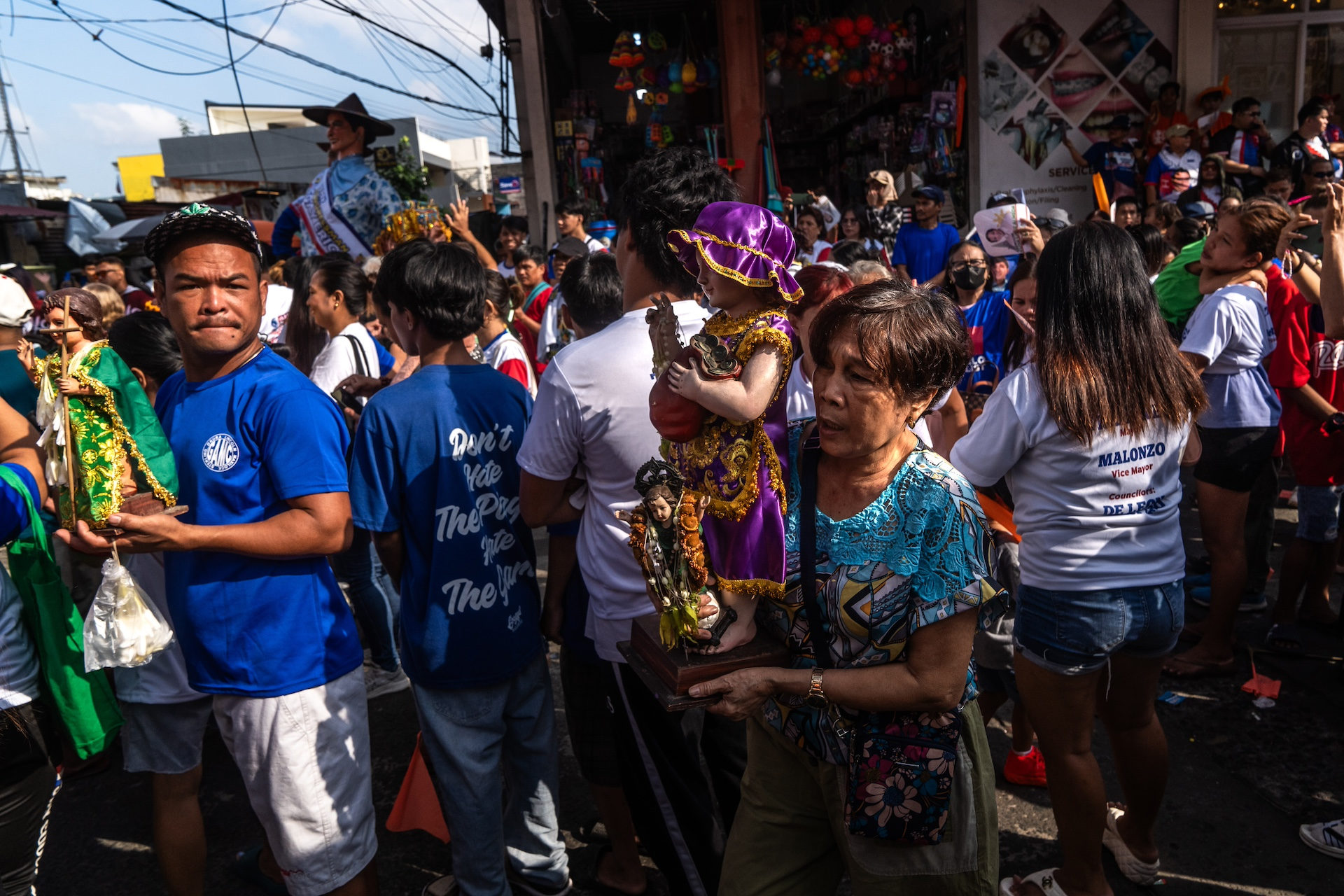
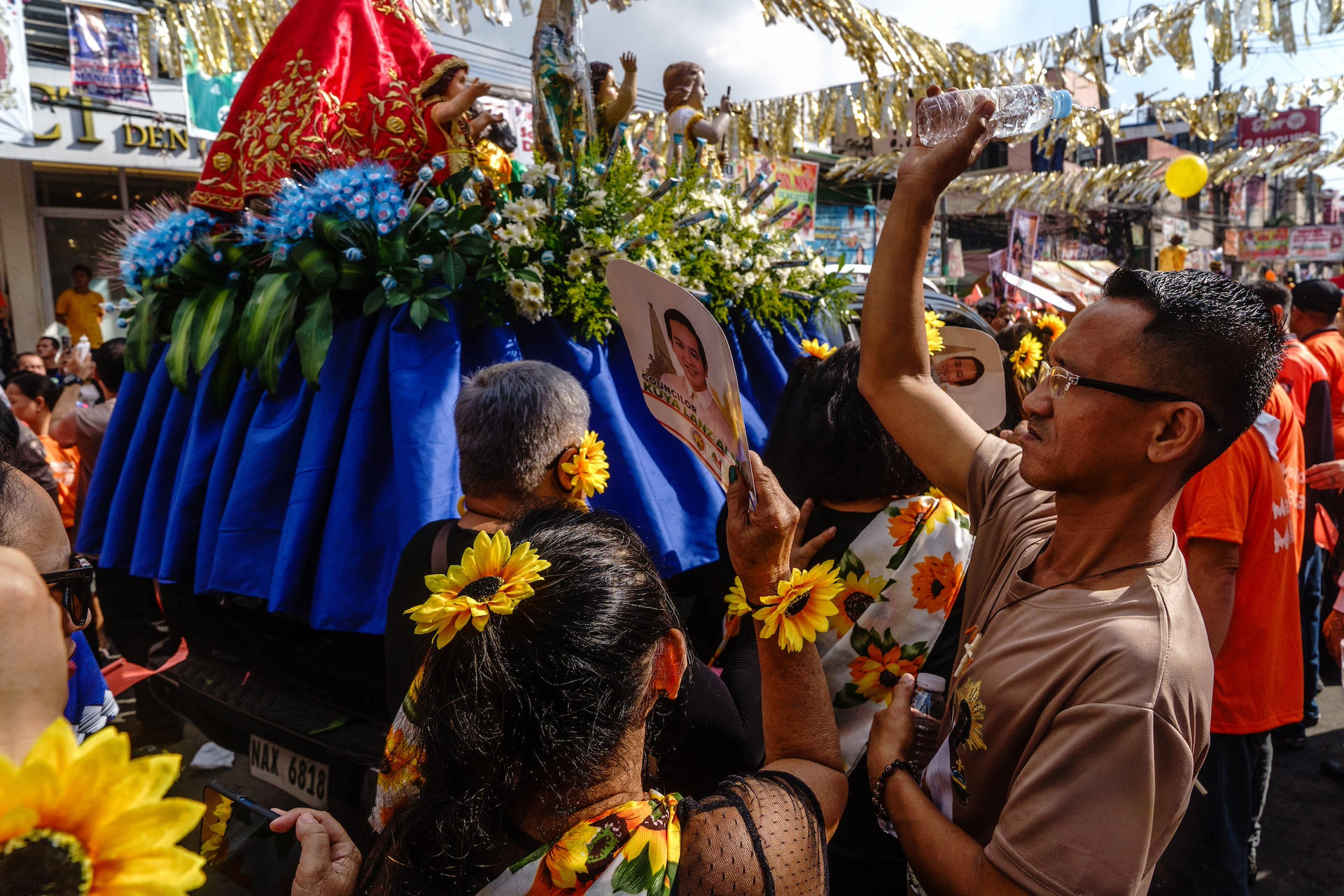
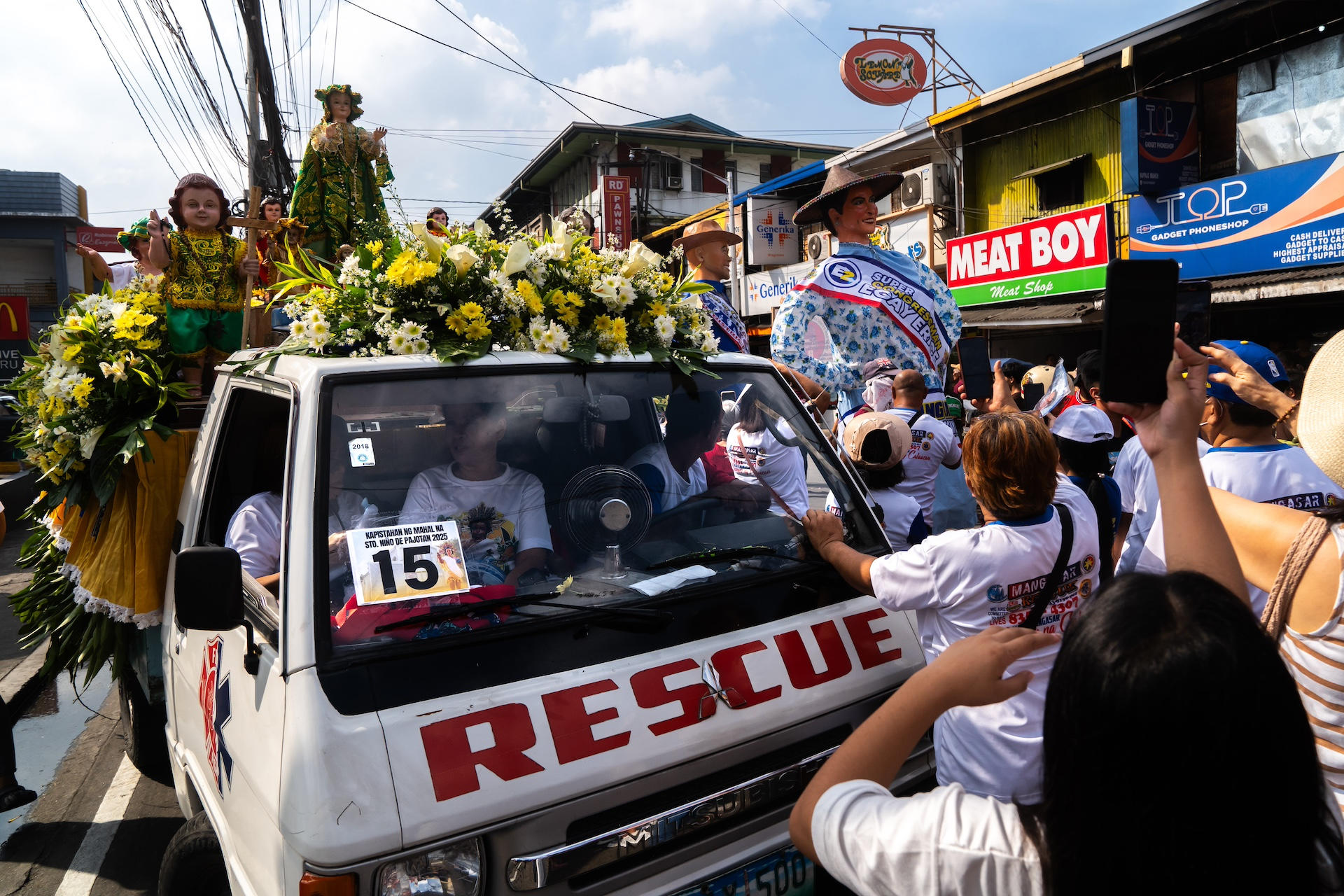
The district unfolds like a labyrinth built without end, a tangle of houses and food stalls folding into workspaces, workspaces folding back into homes. It is a place people warn you about, where survival can mean theft, or worse. I understood the risk before I set foot inside it, and for the first hours my photographs showed it. They were cautious, distant, empty of anything but the space I kept between myself and the street.
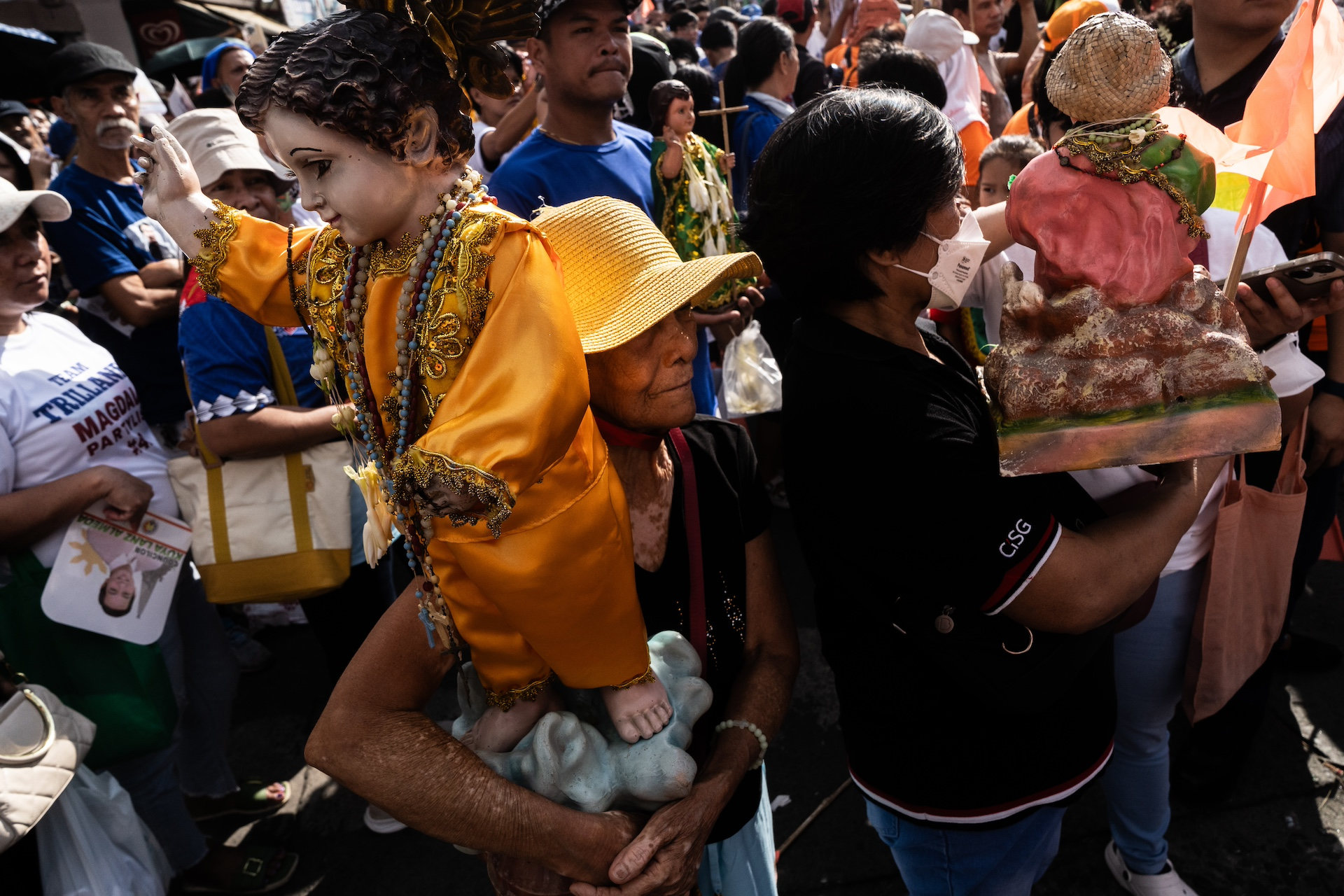
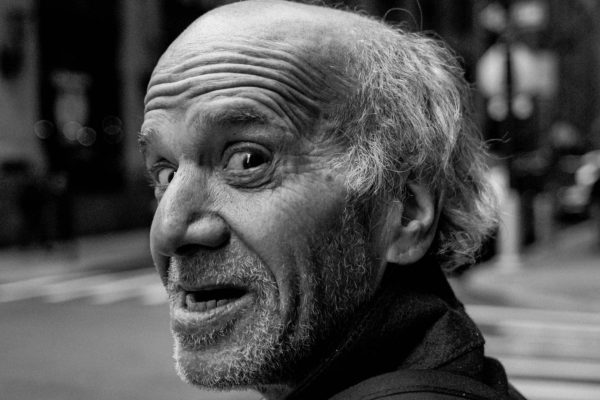
“If your pictures aren’t good enough, you’re not close enough.” Robert Capa
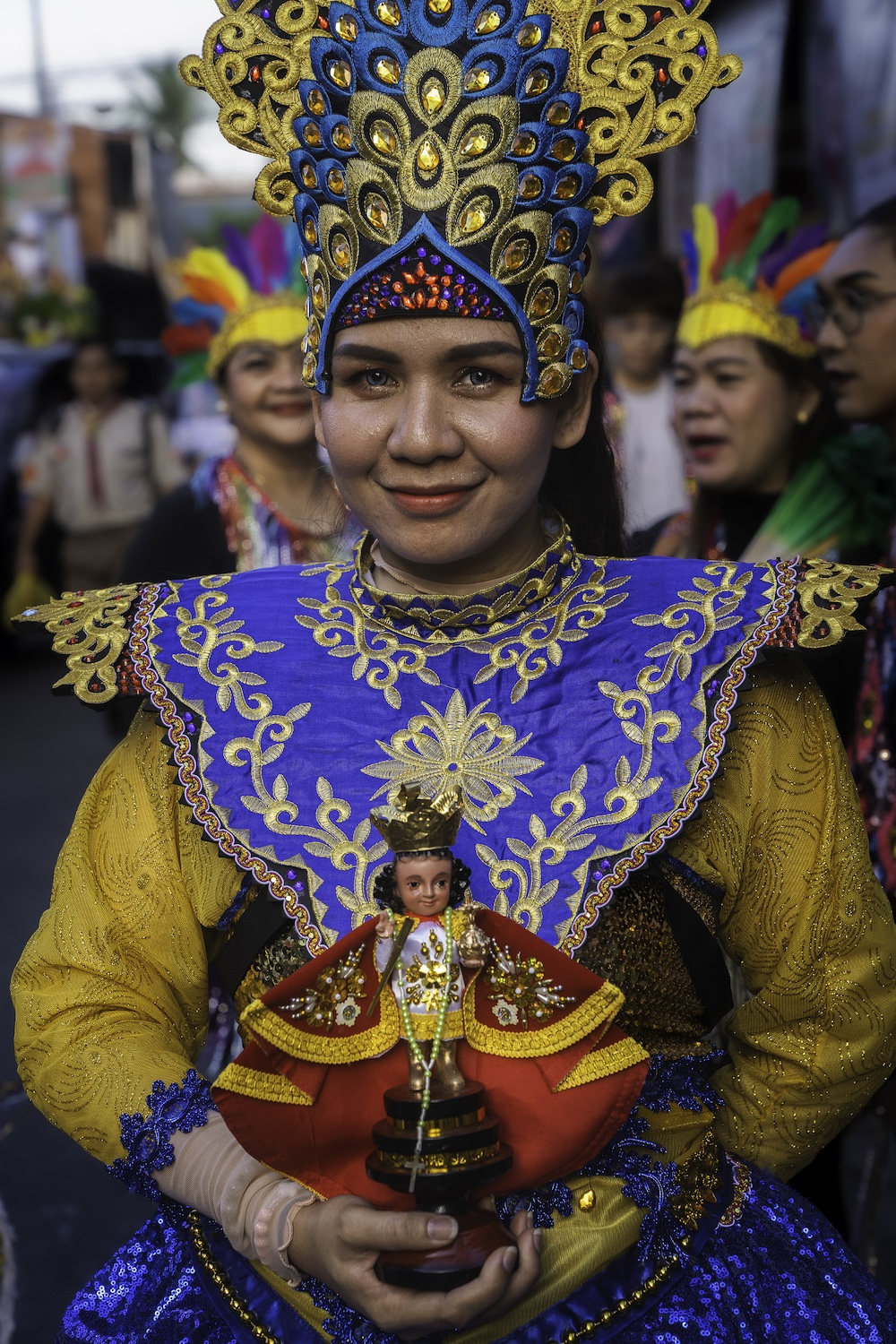
I had known the line for years. It took Tondo to make me feel the weight of it. The story I was chasing had not yet revealed itself, and it was never going to from across the road. So, I went back out, closer this time, and let the district work on me: the colour, the smell, the noise, all of it raw and impossible to look away from.