Documentary

You Can See Me, But I Don’t Exist

Alan Gignoux’s project exploring how the asylum process leaves people visible yet unseen, eroding identity through years of uncertainty and exclusion.
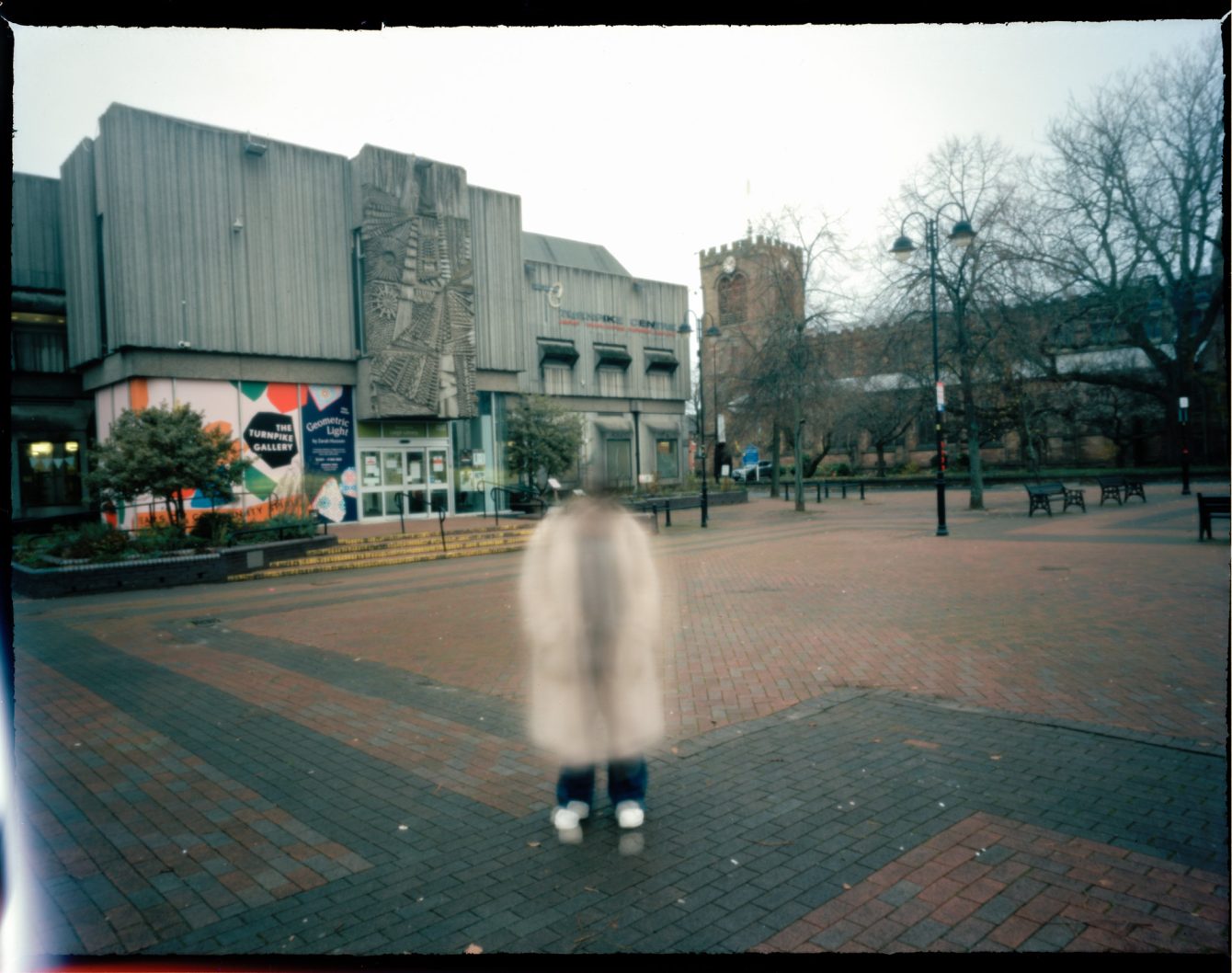
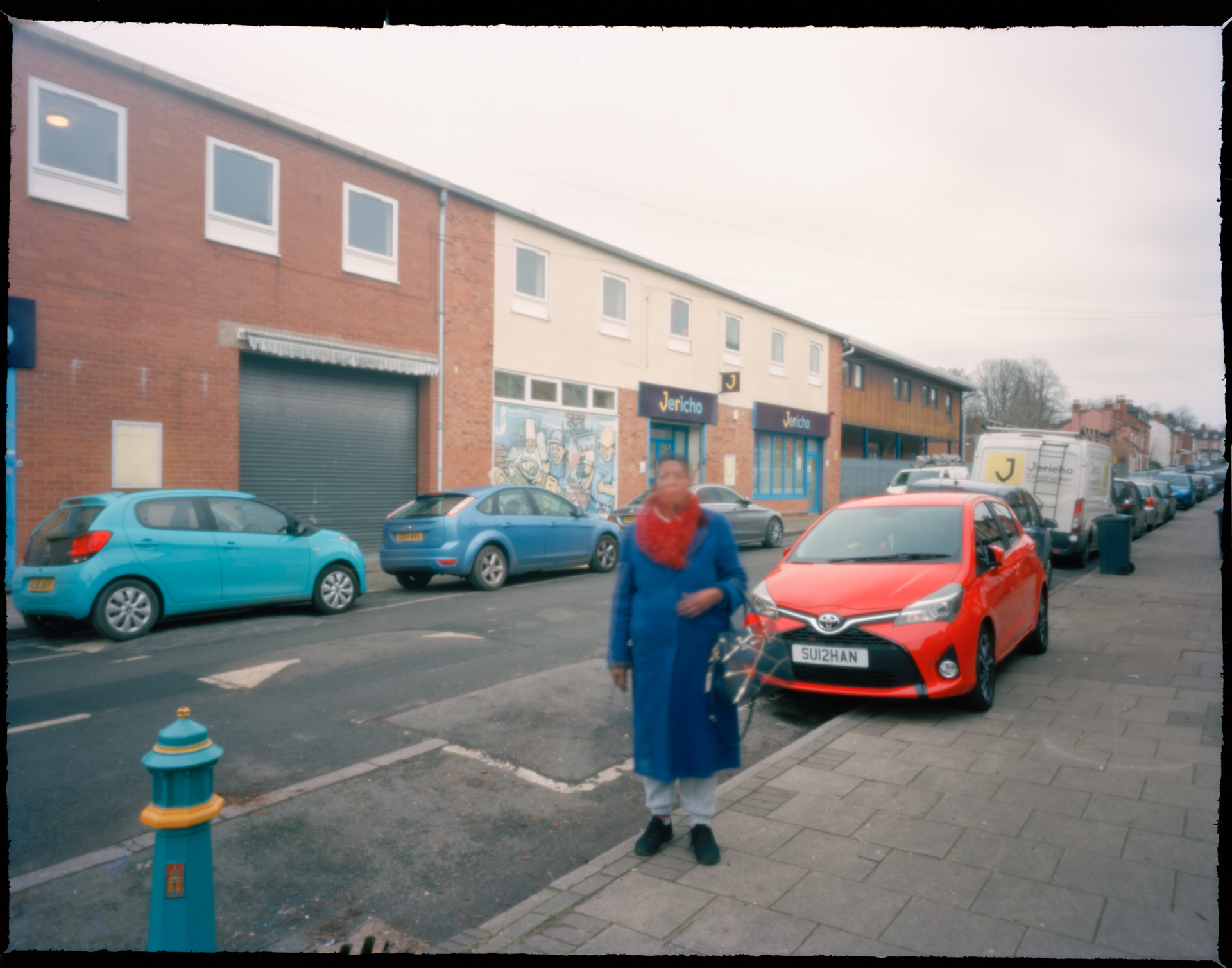
I developed You Can See Me, But I Don’t Exist in close collaboration with curator Jenny Christensson, whose curatorial insight shaped the project’s direction and the way the work meets its audiences.


The project began after I spent time photographing refugees in France, Belgium, Austria, and Sweden in 2018. Again, and again people described how the asylum‑seeking process slowly eroded their sense of self. Many spoke about feeling invisible unseen by immigration systems and overlooked by the societies they were trying to join.


One young Afghan man in Sweden said something that stayed with me: “You can see me, but I don’t exist.” He was in his final year of school, waiting for a decision on his third and final appeal to remain in the country. His words captured the suspended, isolating reality of living for years in a bureaucratic no man’s land. His sentence became the title of this UK‑based project, which explores how the asylum process dehumanises people seeking refuge.


In the UK, many refugees and asylum seekers face long periods of uncertainty while waiting for decisions. Unable to work, they often experience poverty, poor physical and mental health, and sometimes danger. When an application is rejected, people must confront not only the years lost but also the fear of being forced back to the country they risked everything to leave. Those who remain after rejection live in insecurity, relying entirely on family, friends, or charities.


This situation is worsening. Under recent legislation, anyone arriving in the UK through routes not approved by the government can no longer apply for asylum. Instead, they face deportation back to their country of origin.


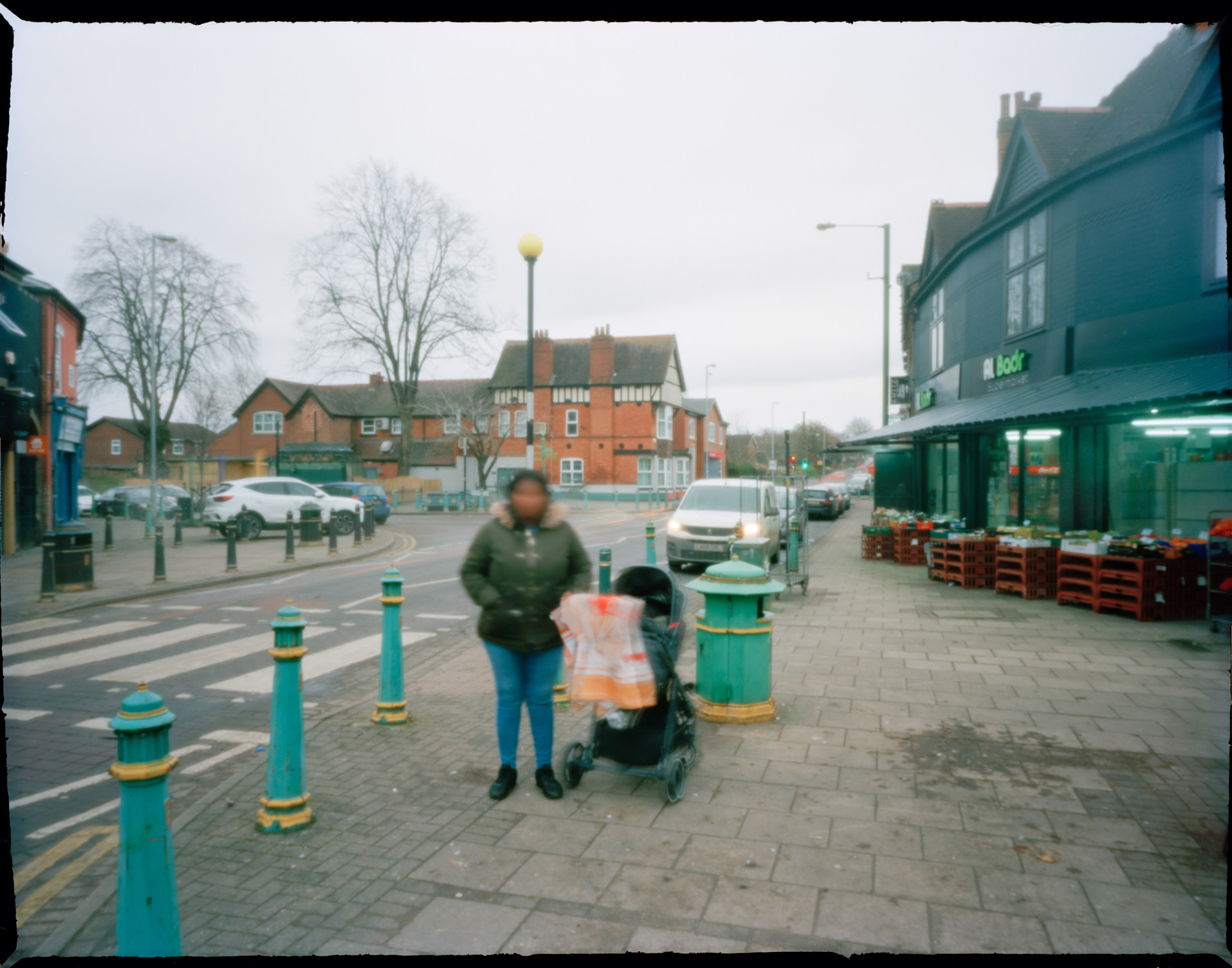
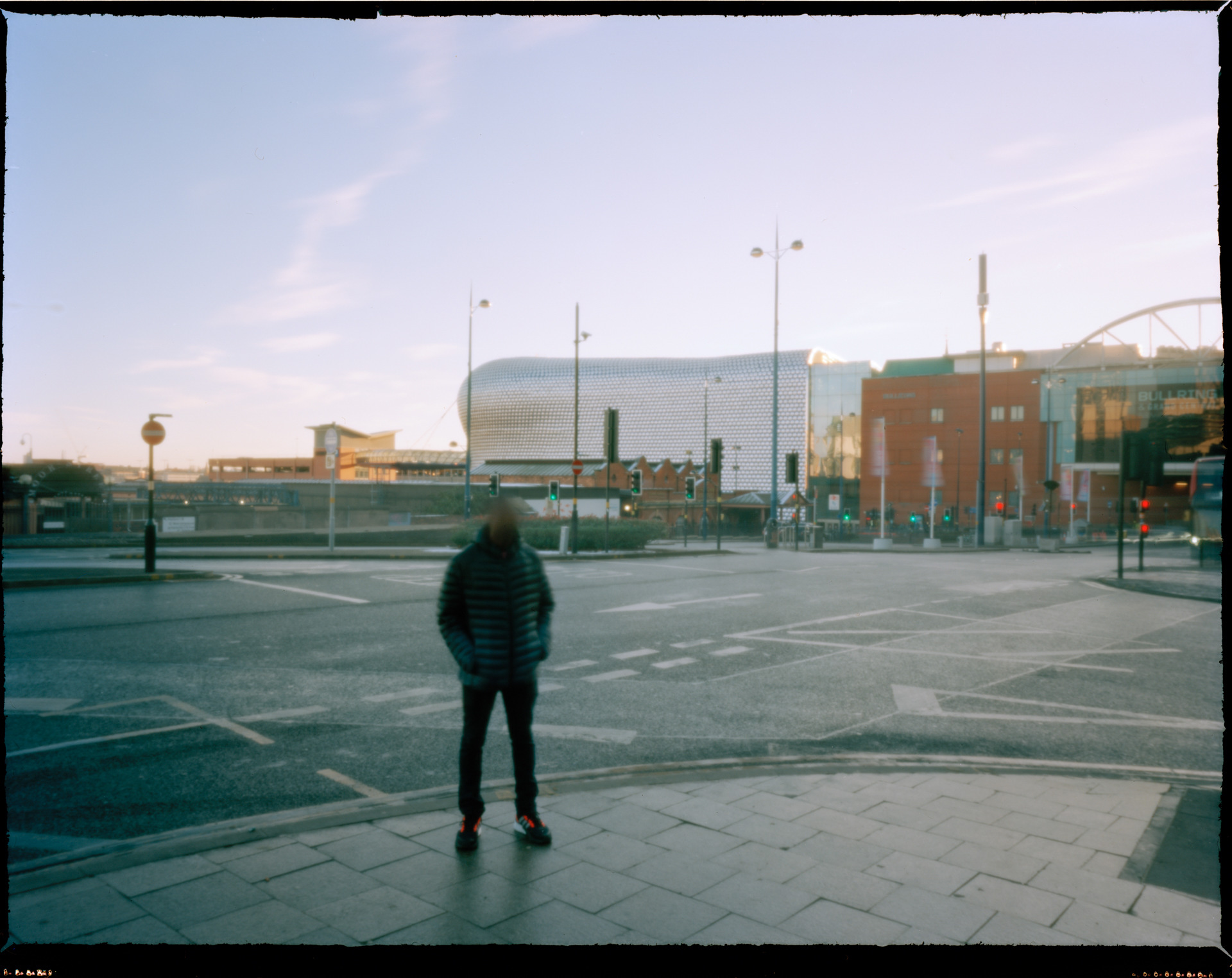
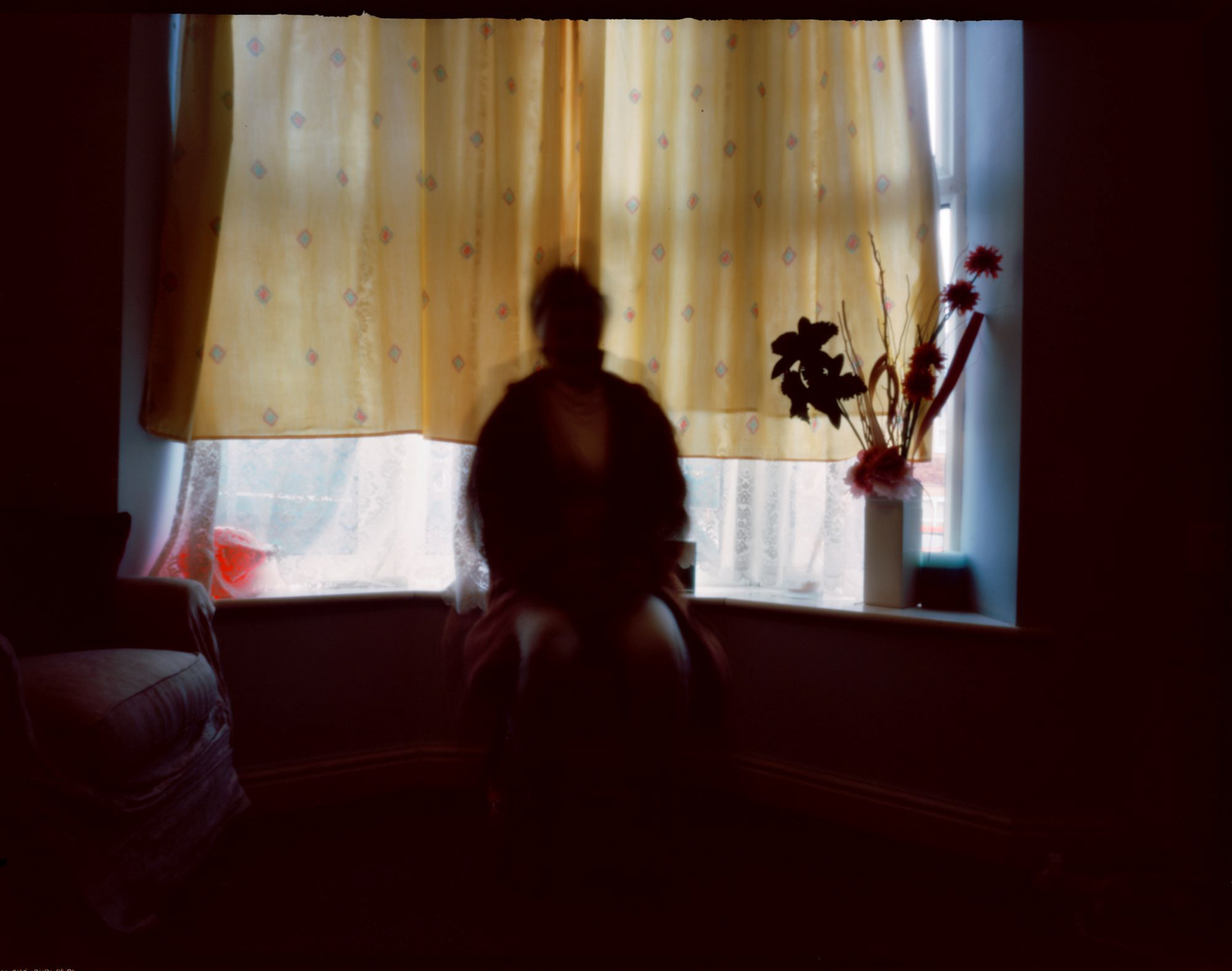
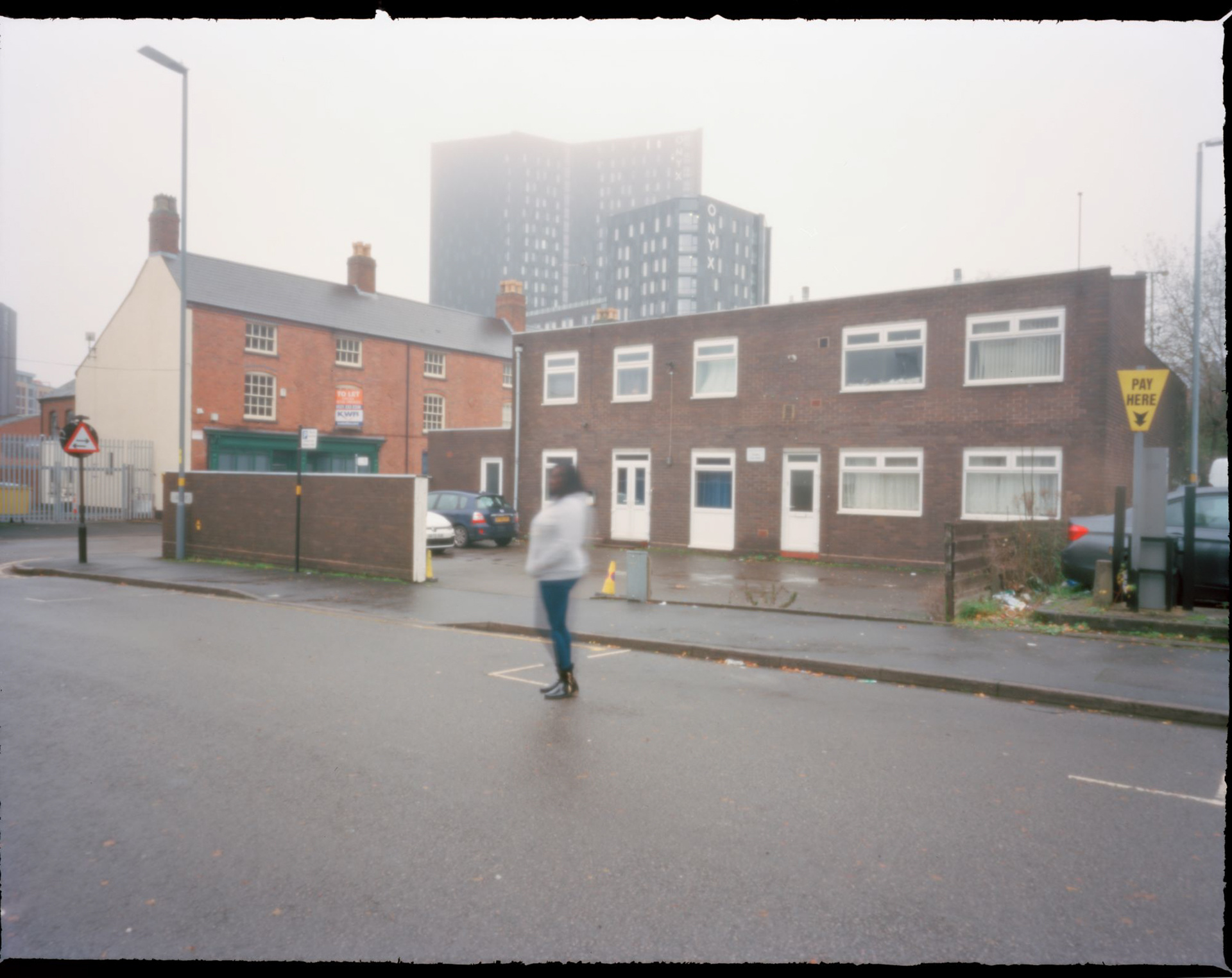
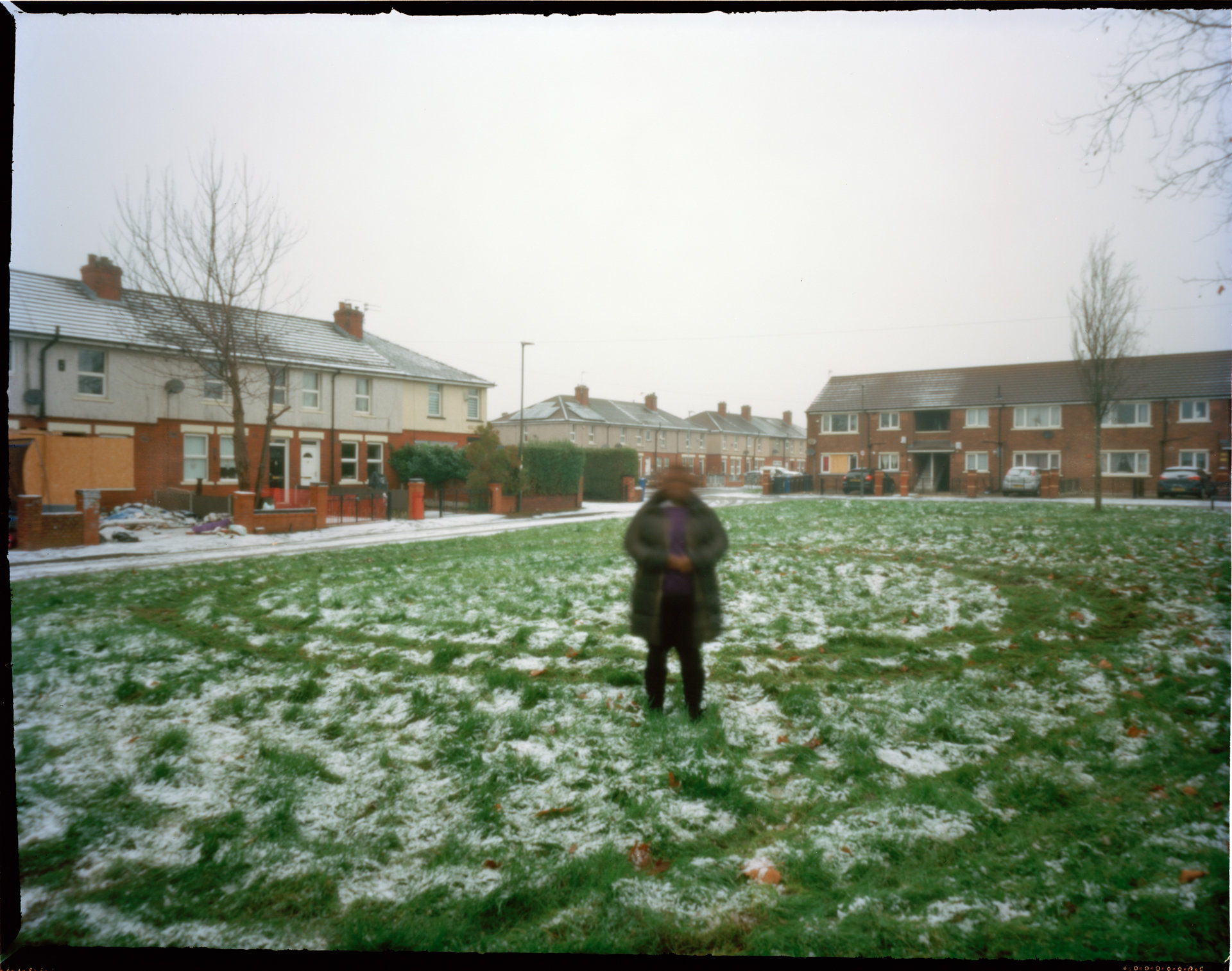
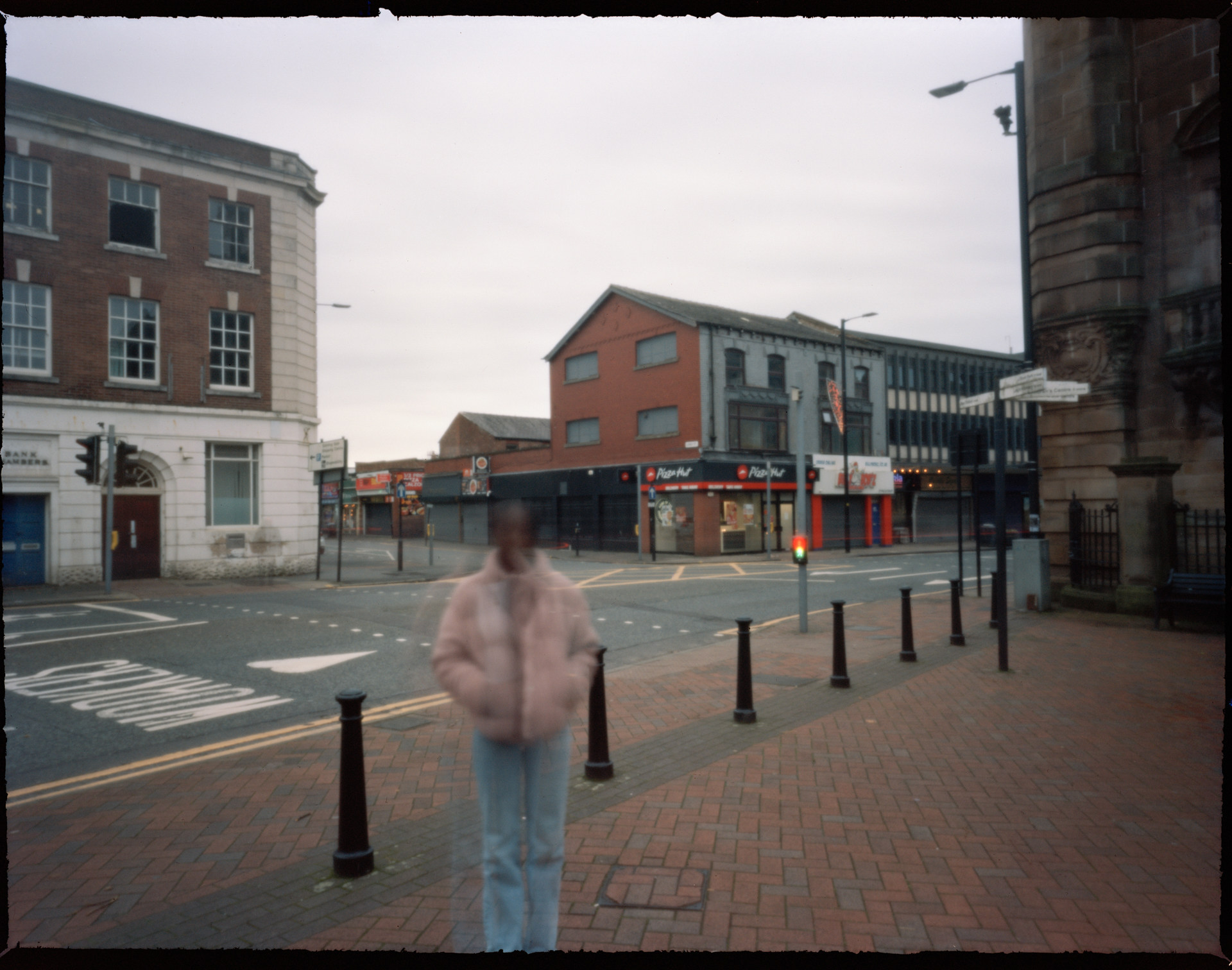
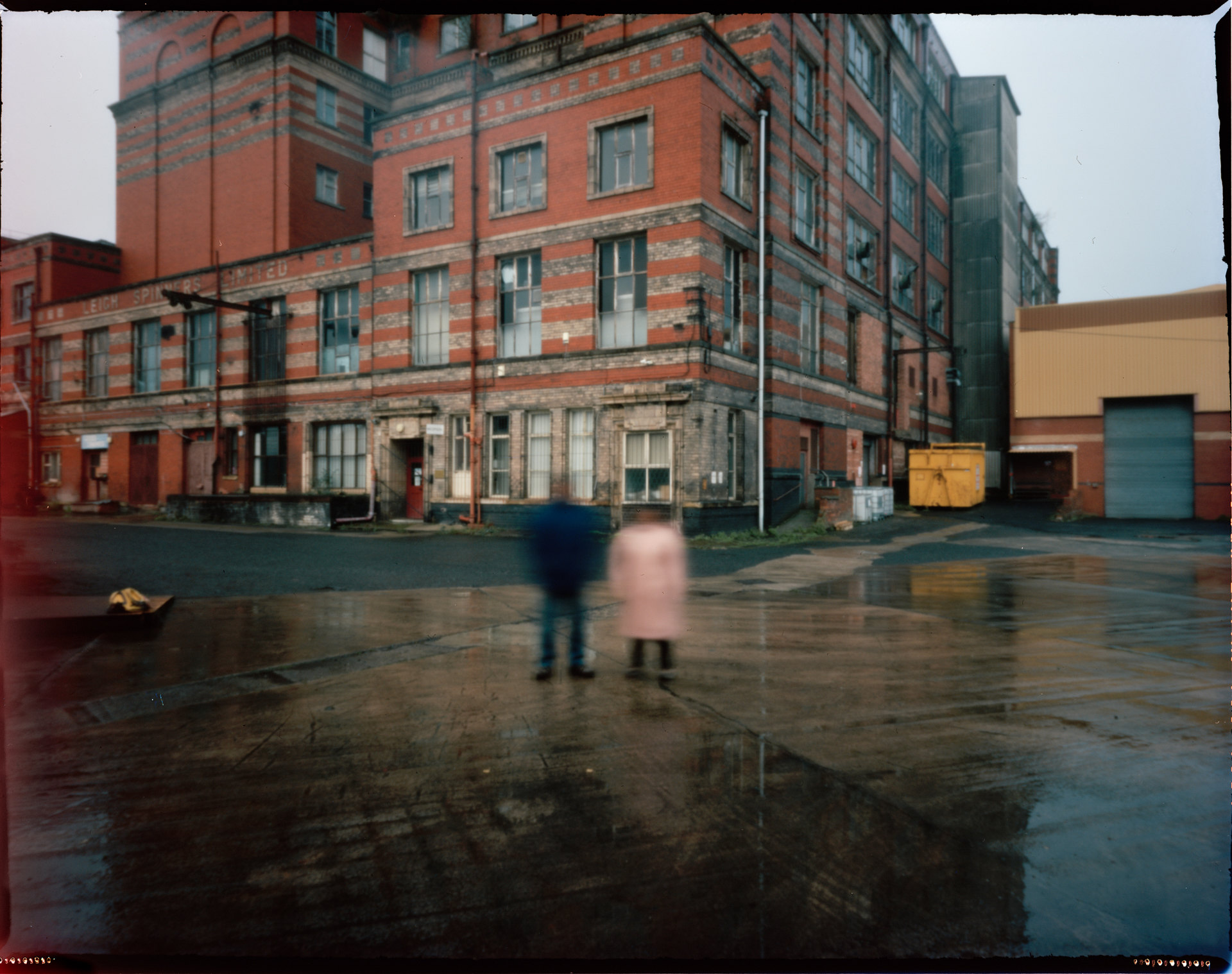
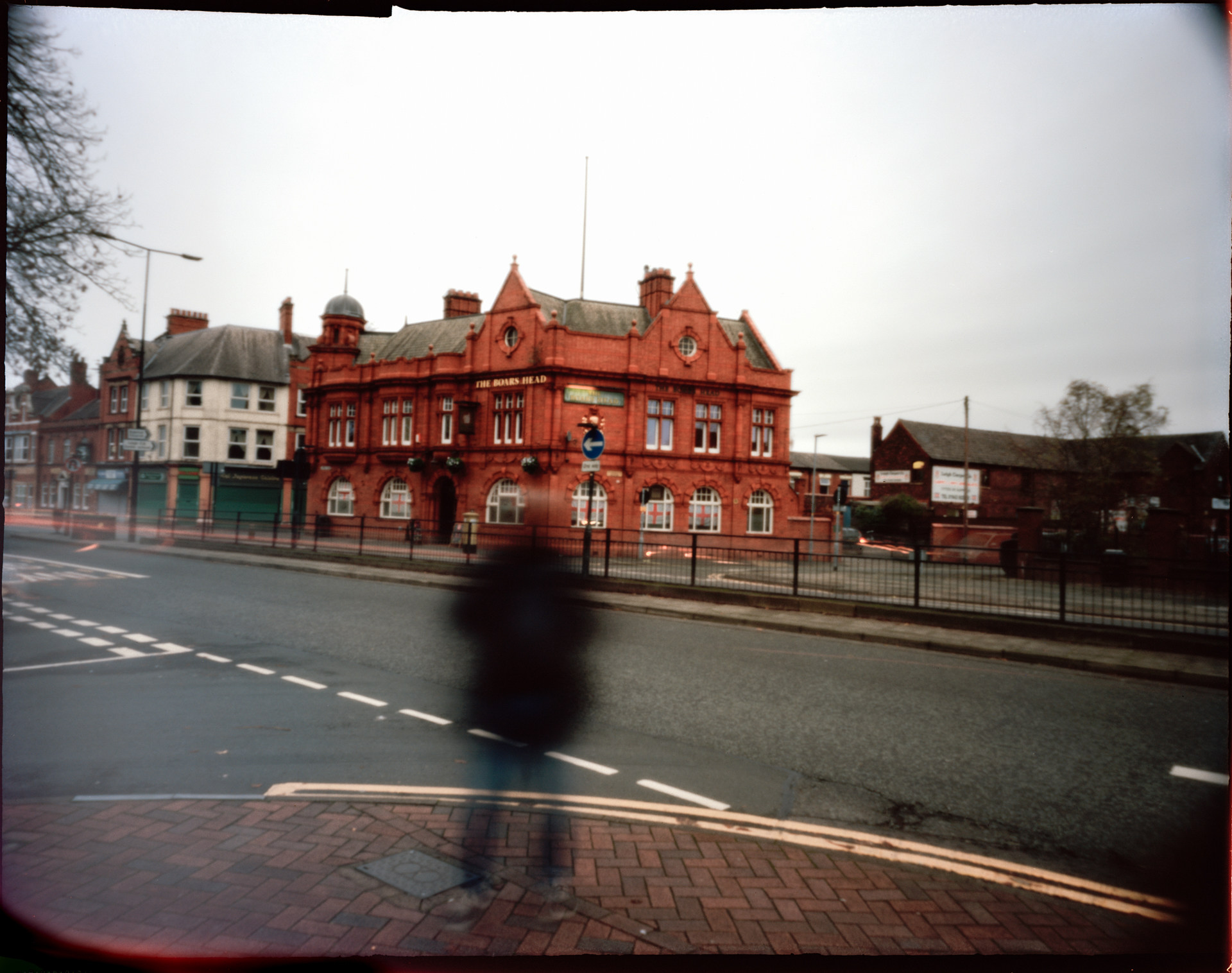
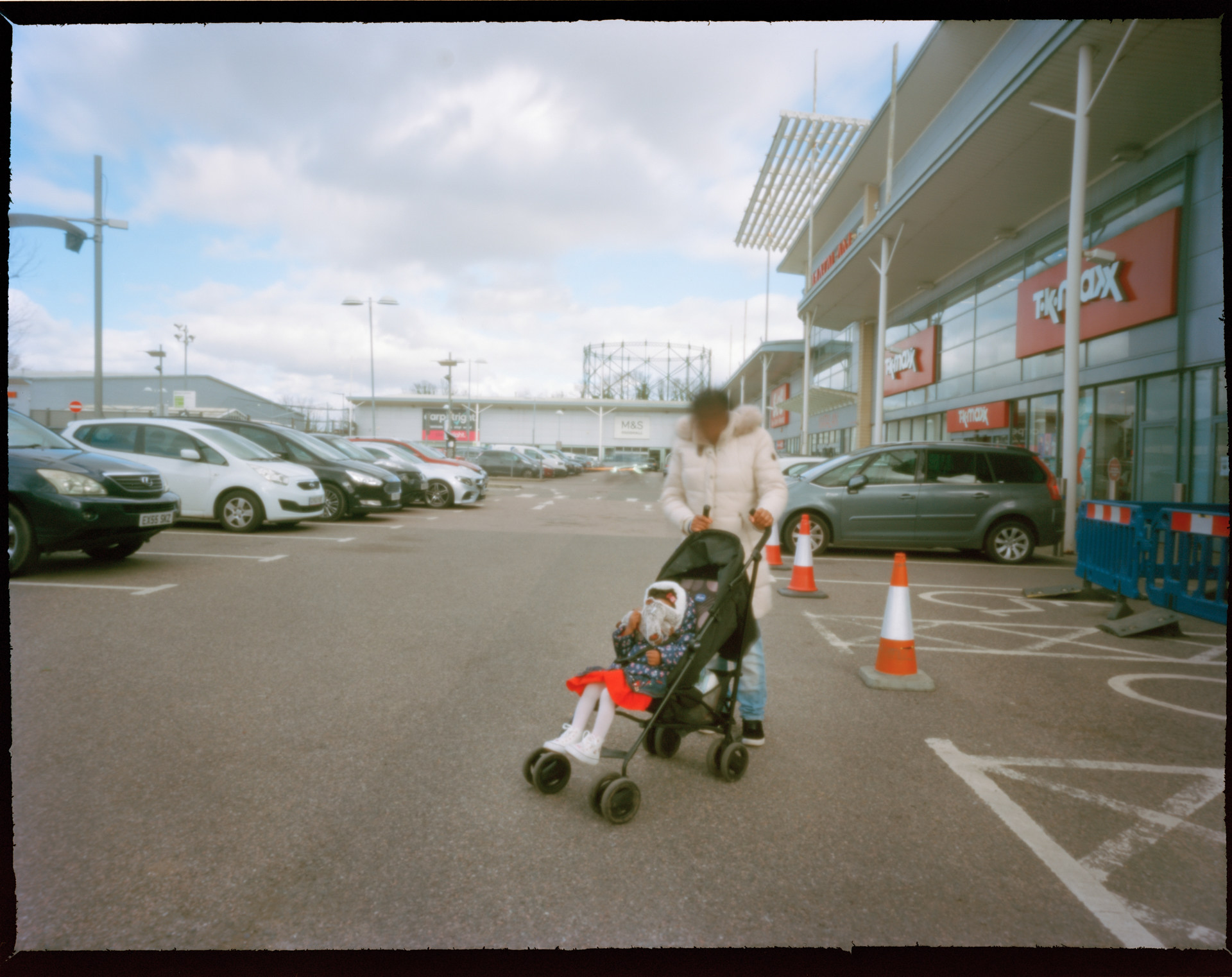
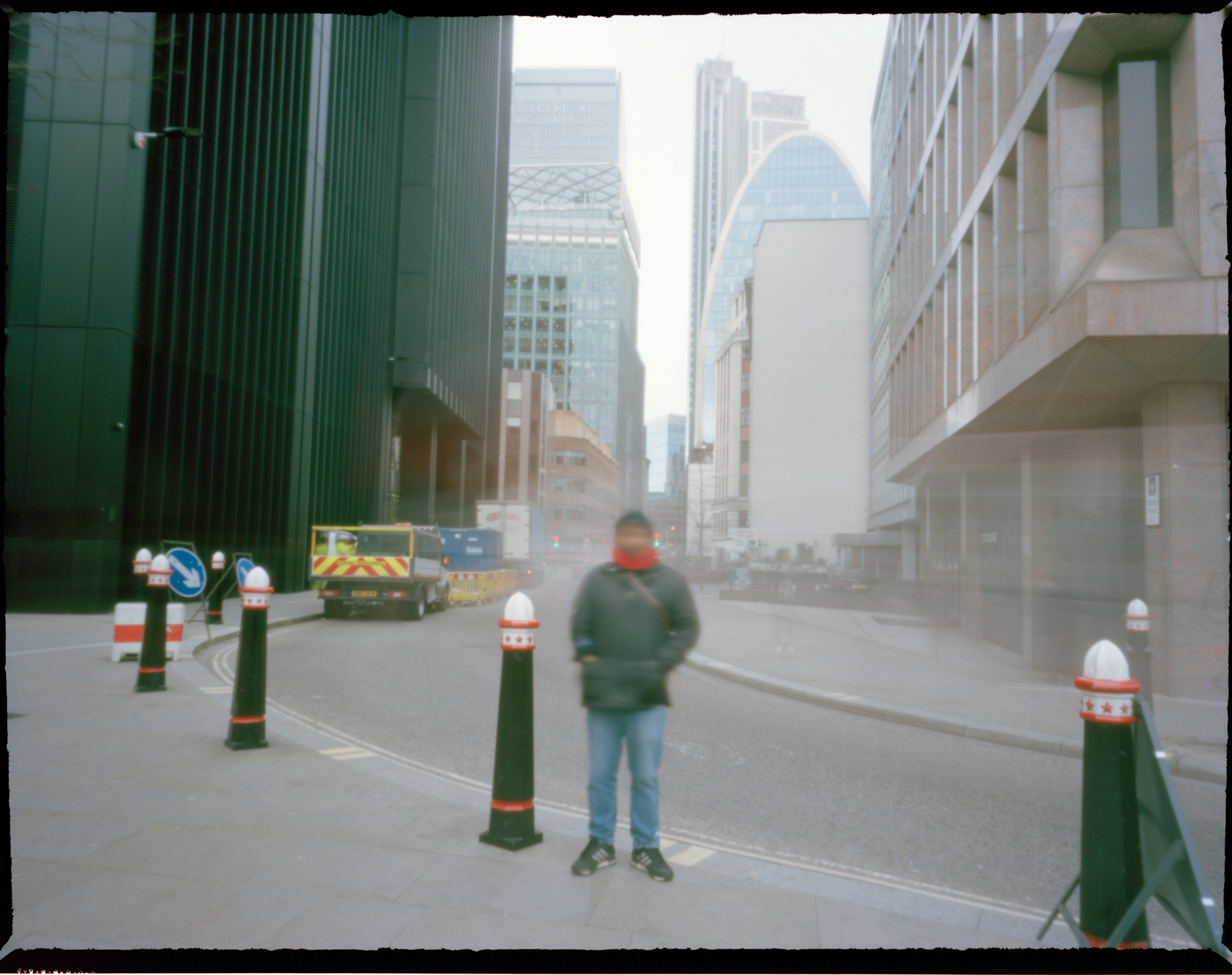
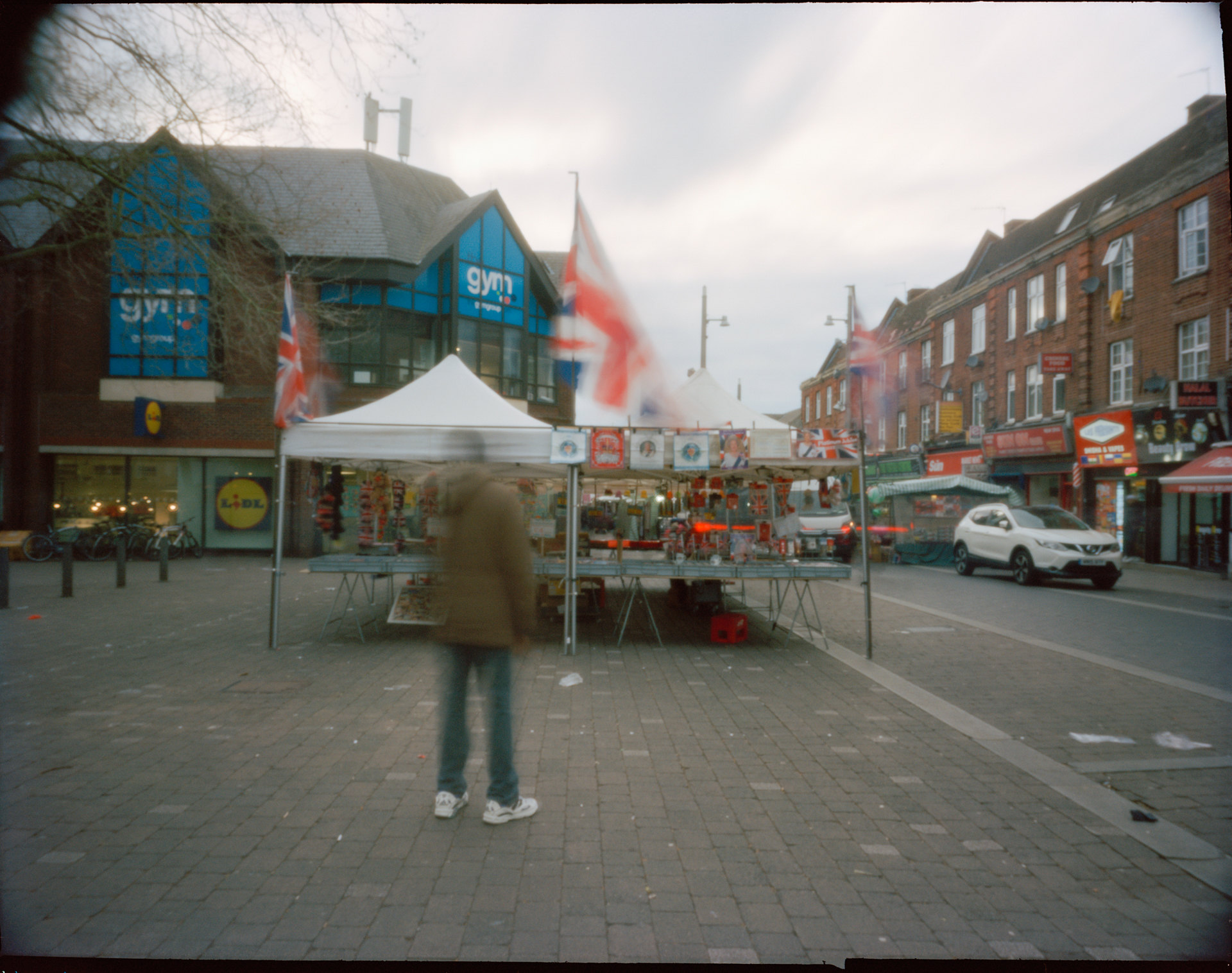
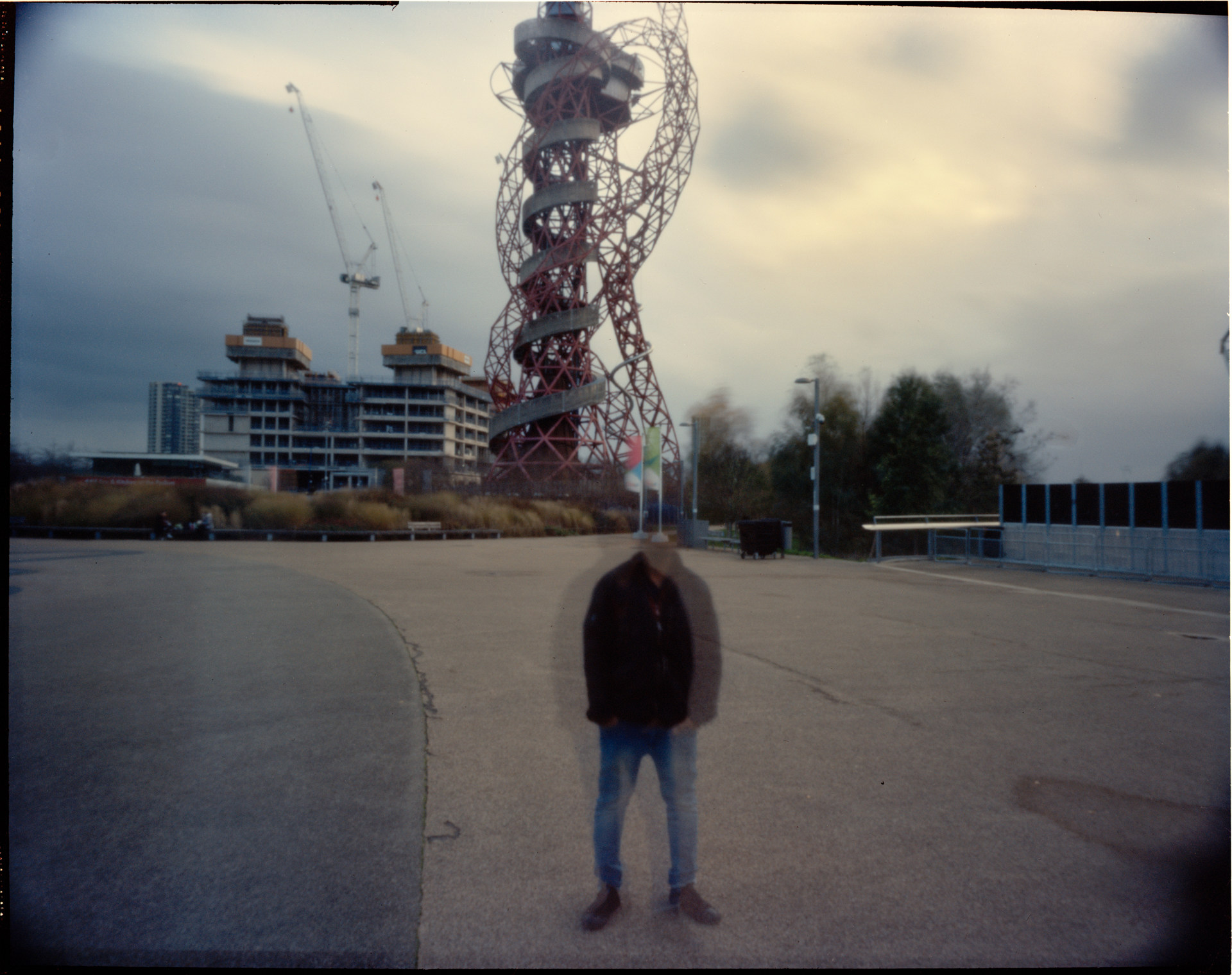
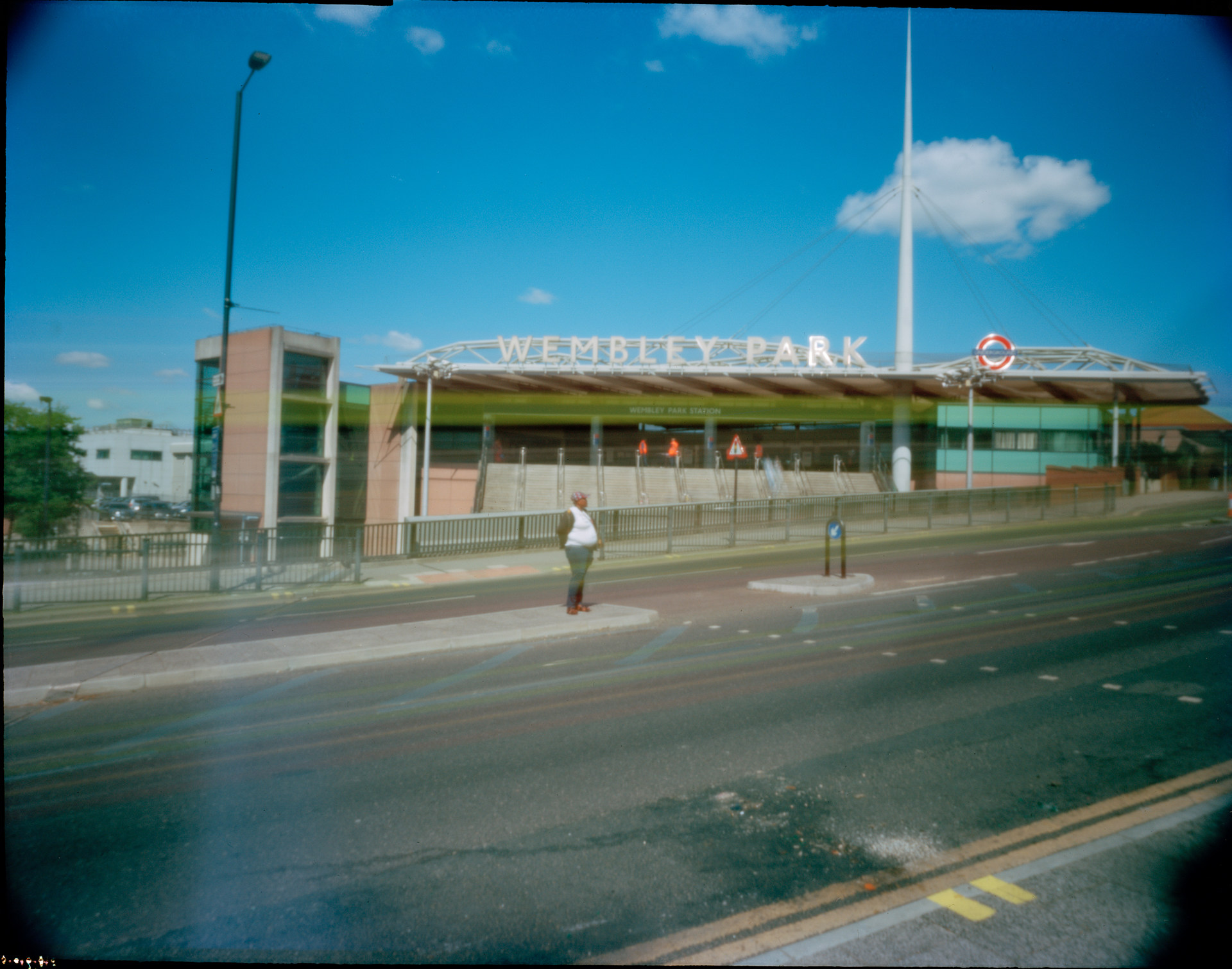
To photograph people without exposing their identities, I worked with a camera obscura and long exposures. The portraits blur the individual while keeping the background sharp. This protects people who fear being identified, but it also acts as a visual metaphor for how the asylum process erases and distorts a person’s sense of self.


I wanted the project to include the voices of the people I photographed. I invited them and others who wished to take part to write creative responses to their blurred portraits. Their writing developed through workshops led by poets Laila Sumpton (London), Malka al Haddad (Birmingham), and Ambrose Musiyiwa (Manchester). Together and individually, participants explored the themes held within the images.

BIRMINGHAM (all written extracts from a writing workshop with Malka al Haddad)

We face the darkness,

Behind us is sunlight we cannot touch.

Because we are

Prevented from residing,

Prohibited from working,

Prohibited from studying.


The long waiting system.

Our youth dying like dried flowers.

I will never forget that place.

It’s a place of memory.

I was stressed, feeling sad, scared and hopeless. 

I didn’t have anywhere to go.

In the middle of the street, stunned,

I didn’t know where I would end up

Or what would happen.

Welcome.

Welcome.

 I know the meaning of this word.

 This city is big.

A big city with its love of diverse cultures.

It is a library of cultures.

I am one of the various books that nourishes the soul of this city.

MANCHESTER (all written extracts from a writing workshop with Ambrose Musiyiwa)

They are running, man, woman and child,

All of them, running from something.

You see, with lives at stake, they don’t want to die.

Staying would be a big mistake.

Running to the sea, catching some old boat

Is the best thing they can see.

At least they will be free.

Hi, there. It’s me,

The little girl looking for happiness.

You would think by now

I would be close to fulfilling that journey

But it’s like I make five steps forward and 10 steps back.

What do I do?

Someone, tell me please.

LONDON (all written extracts from a writing workshop with Laila Sumpton)

I am still waiting for a decision together with my family.

A feeling of belonging nowhere is always present.

We cannot go back without putting our lives at risk

but we do not belong here yet, either.

It feels like being in limbo

waiting to be judged by someone who does not know anything 

about what we have gone through,

someone who has lived in safety and peace all their lives.

I am waiting for change,

change is a matter of time.

The trees are full of leaves,

they are growing again.

We learn many things from trees.  

There are ups and downs in life,

in nature we see many changes –

Winter is barren, Summer is growth.

Life is like that. The invisibility

of our lives is relative. Our secret power

is to keep our faith.

You do not know the suffering of people seeking asylum.
Do you know that we are the people who are always in limbo?
We do not have any proper station to go to.

As I have lived here for longer than I did in my country,
can you give me the feeling of home? Can you be
as warm in your heart as my mother’s hugs?

Wishing you the best success,
let us build this country with love and respect

Share

The photographer

Alan Gignoux

Alan Gignoux is an award-winning documentary photographer and founder of Gignoux Photos, which produces documentary photography and film projects focusing on socio-political and environmental issues around the world.
Other featured work

No results found.

Explore More

Night in the Suburbs

Yan Jiacheng reflects on how people adapt to rapidly changing urban environments, and how public space continues to function as a stage for collective life.

Read More

I.D.

New York photographer Evan Murphy’s beautifully cinematic series centring on the evolving experience of queer identity within contemporary life.

Read More

Viet Phuc

Kim Tonelli captures the poetry of tradition meeting modern life, as Vietnam’s youth reclaim their dynastic past in radiant new forms.

Read More