

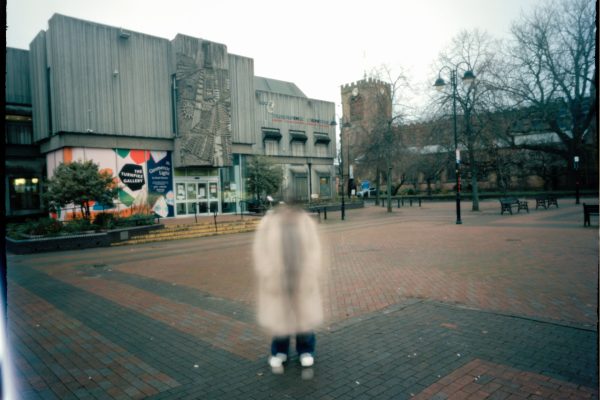
Alan Gignoux’s project exploring how the asylum process leaves people visible yet unseen, eroding identity through years of uncertainty and exclusion.
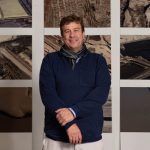
Alan Gignoux is an award-winning documentary photographer and founder of Gignoux Photos, which produces documentary photography and film projects focusing on socio-political and environmental issues around the world.
Gignoux is committed to exposing the effects of displacement on communities around the world. His most exhibited body of work, Homeland Lost, juxtaposes portraits of Palestinian refugees with their former homes in Israel. He has been a regular visitor to the Saharawi refugee camps in Algeria, building relationships and recording camp life since 2005. For his recent Arts Council funded project, “You can see me, but I don’t exist,” he used a camera obscura to document asylum seekers living in limbo in the UK.
Alongside his work documenting refugee communities, Gignoux has for the past ten years been investigating and recording the impact of fossil fuels extraction and metals mining and refining on local communities. His photographs show the way in which landscapes have been permanently altered to make way for mining, scarred by the infrastructure of the mining industry, and poisoned by pollution of the air, soil, and water. The short documentary films that often accompany his images reveal through interviews the conflicting interests of mining company owners, politicians, activists, industry employees, and residents, throwing light on the complexities involved in transitioning to a low carbon future.