Captured in cities and rural provinces in Cuba, this documentary photography project serves as a historical record of a nation pushed to its limits. In the wake of the COVID-19 pandemic, Cuba descended into its most severe economic and fuel crisis in decades, paralyzing daily transit, emptying market shelves, and turning basic medications into a privilege beyond reach.
This visual essay captures a stark demographic shift. With an average monthly wage of just $23 and a collapsed tourism industry, a massive exodus of working-age adults left the island, leaving many children behind, often in the care of grandparents, and contributing to a rapidly aging population. By 2030, Cuba is projected to have the highest proportion of citizens over 60 in Latin America, compounding a crisis of social isolation, fractured infrastructure, and scarce healthcare resources.
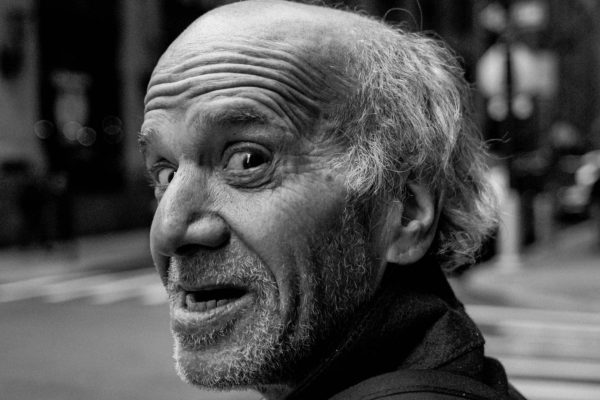
From the daily hum of hours-long ration lines outside bakeries to the intimate frames of elders standing in decaying doorways, these photographs document a profound struggle for dignity. Even the simple sight of plastic bags washed and hung to dry on window trellises underscores a reality dictated by scarcity. Amidst crumbling facades, faded political billboards, and visible hardship, the project highlights the enduring resilience of a population navigating a historic period of isolation.