Documentary

Corner

Yan Jiacheng reveals the margins of the urban environment, and the quiet stories embedded within places that most people pass by without seeing.

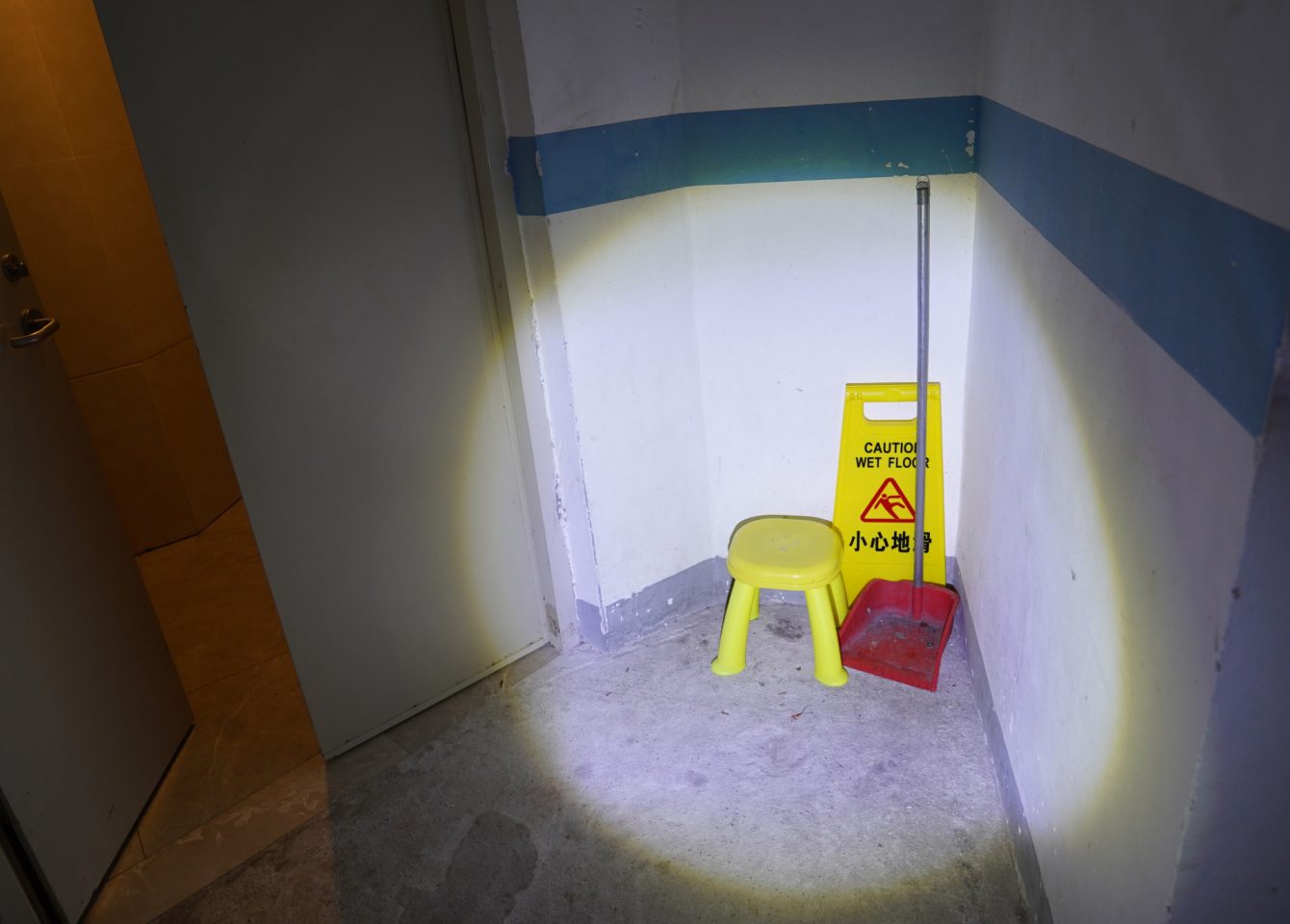
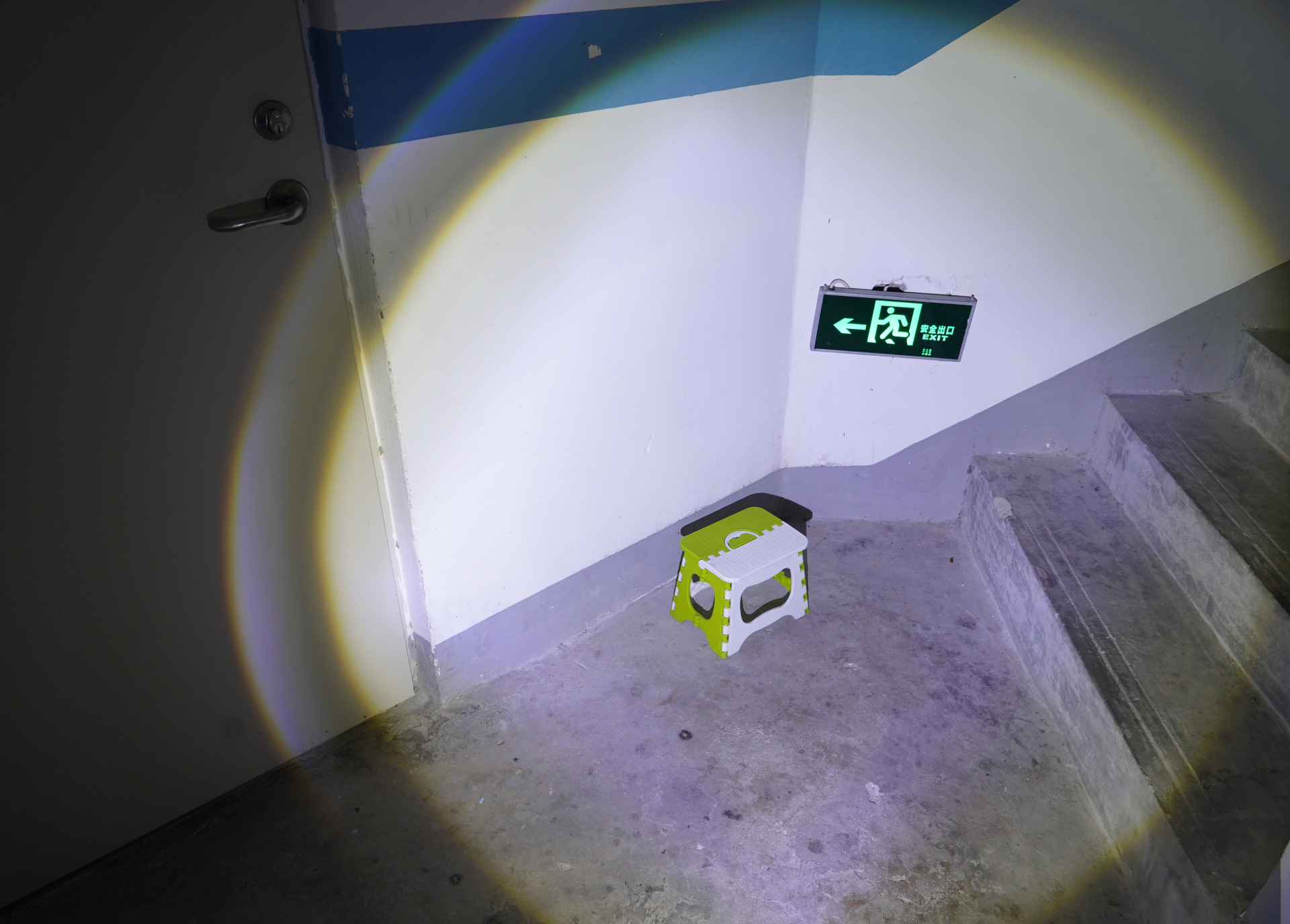
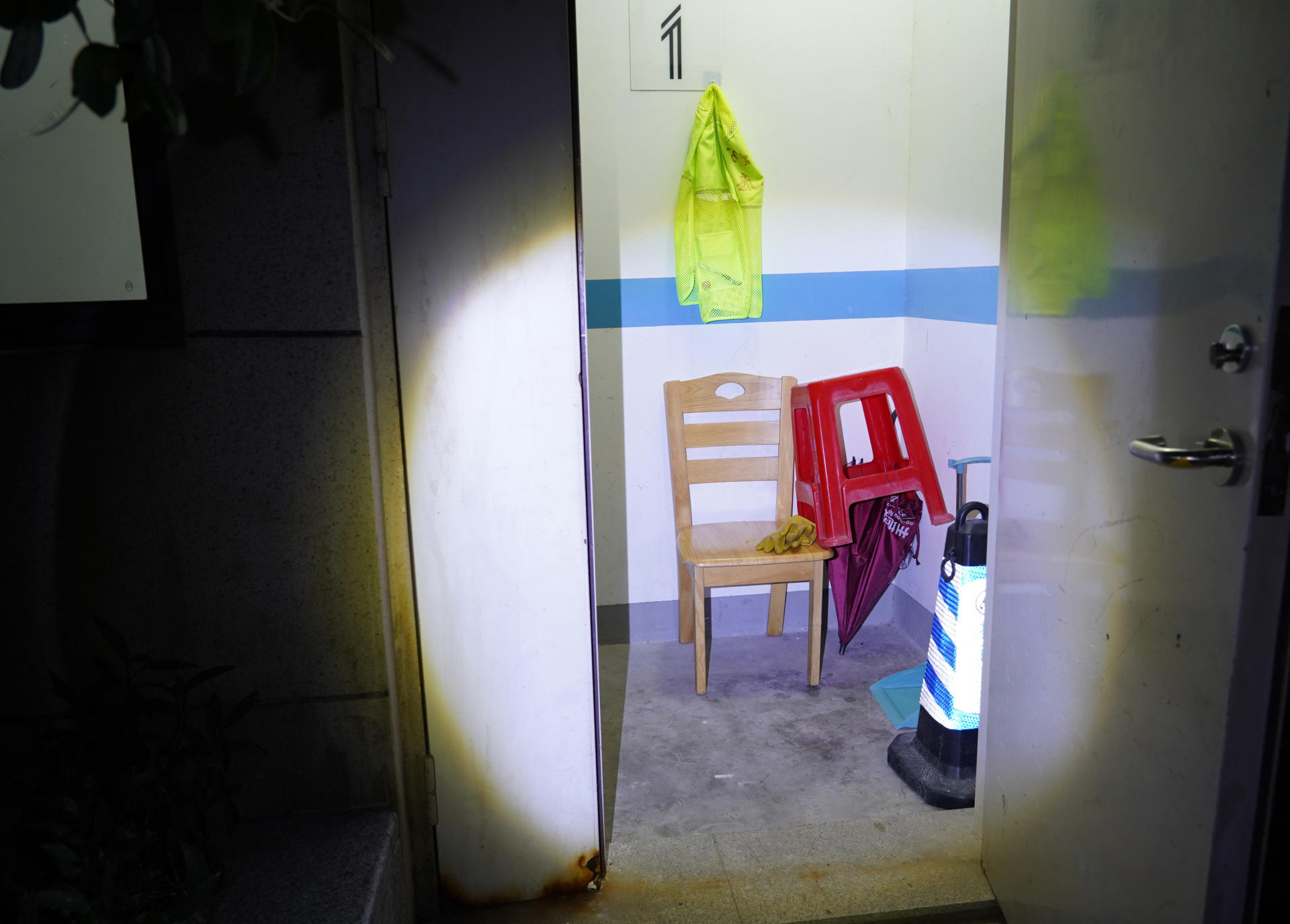
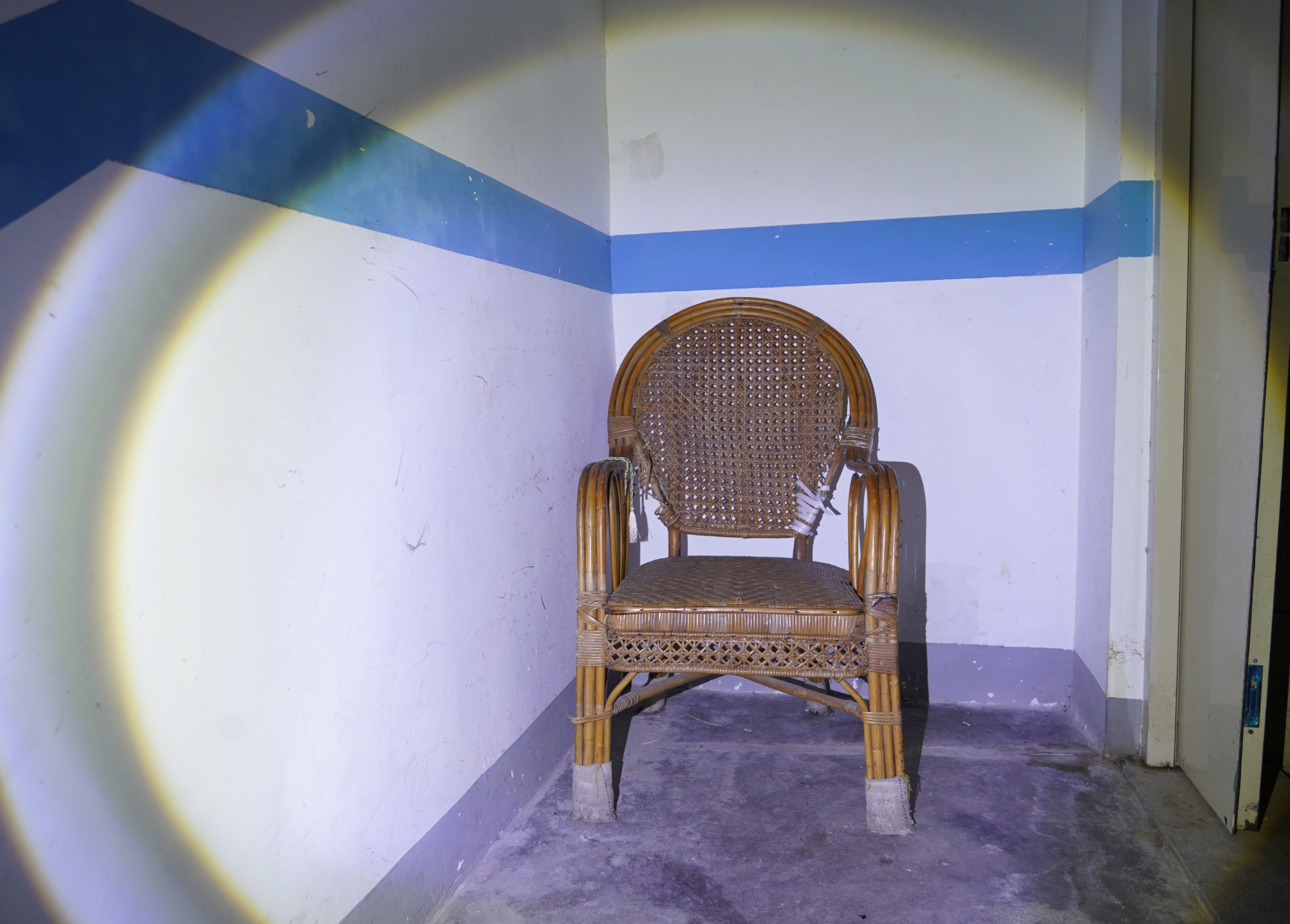
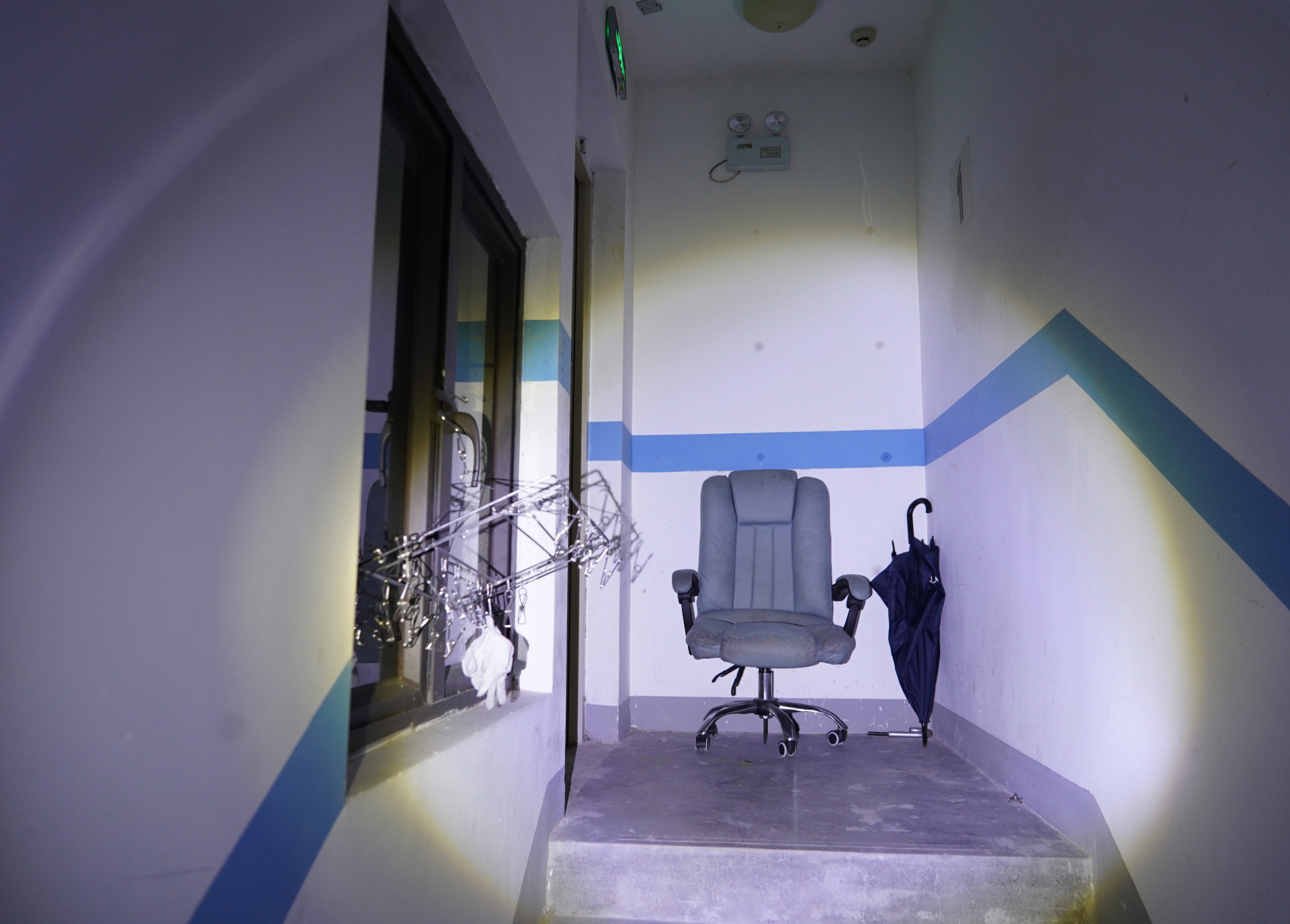
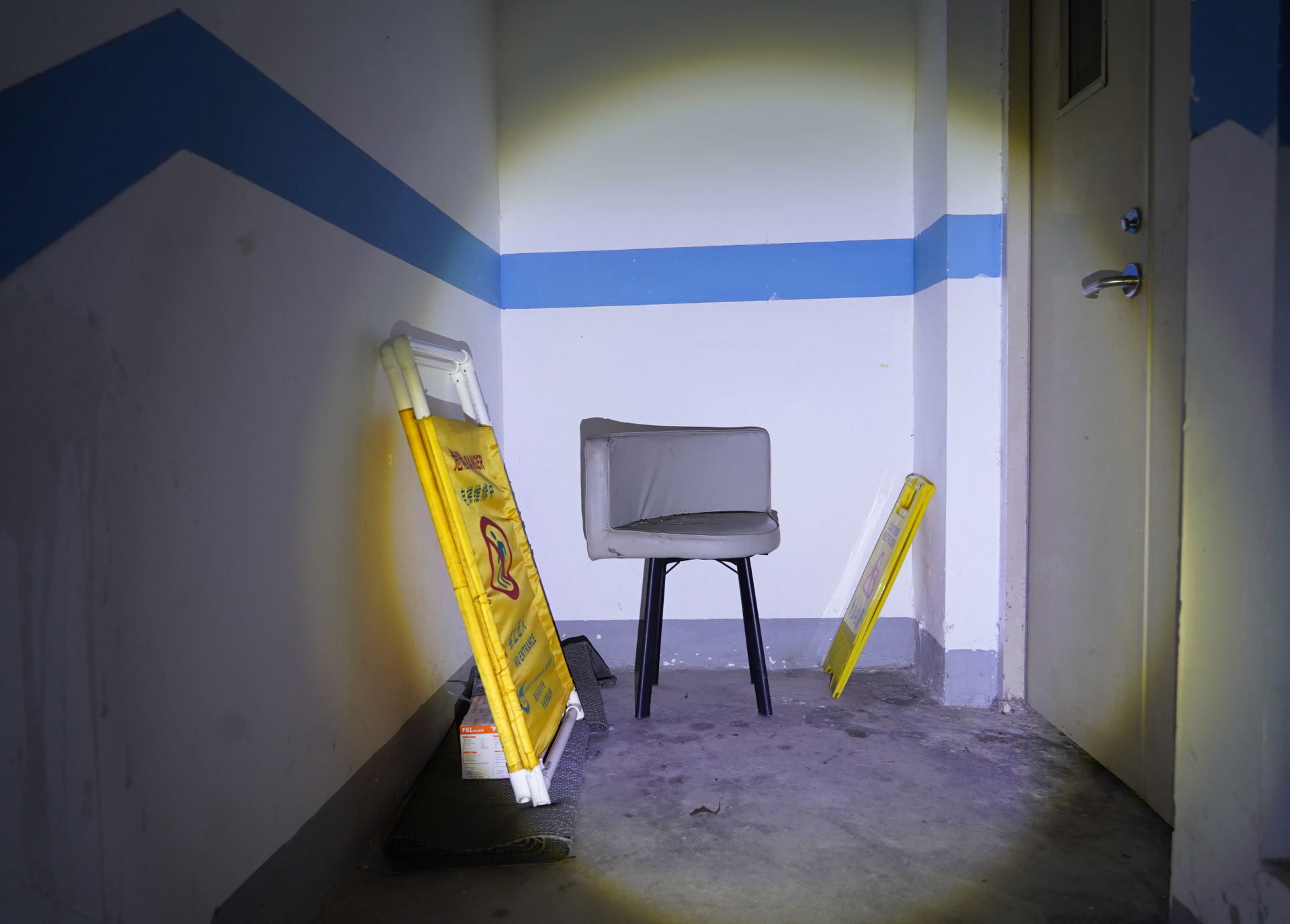
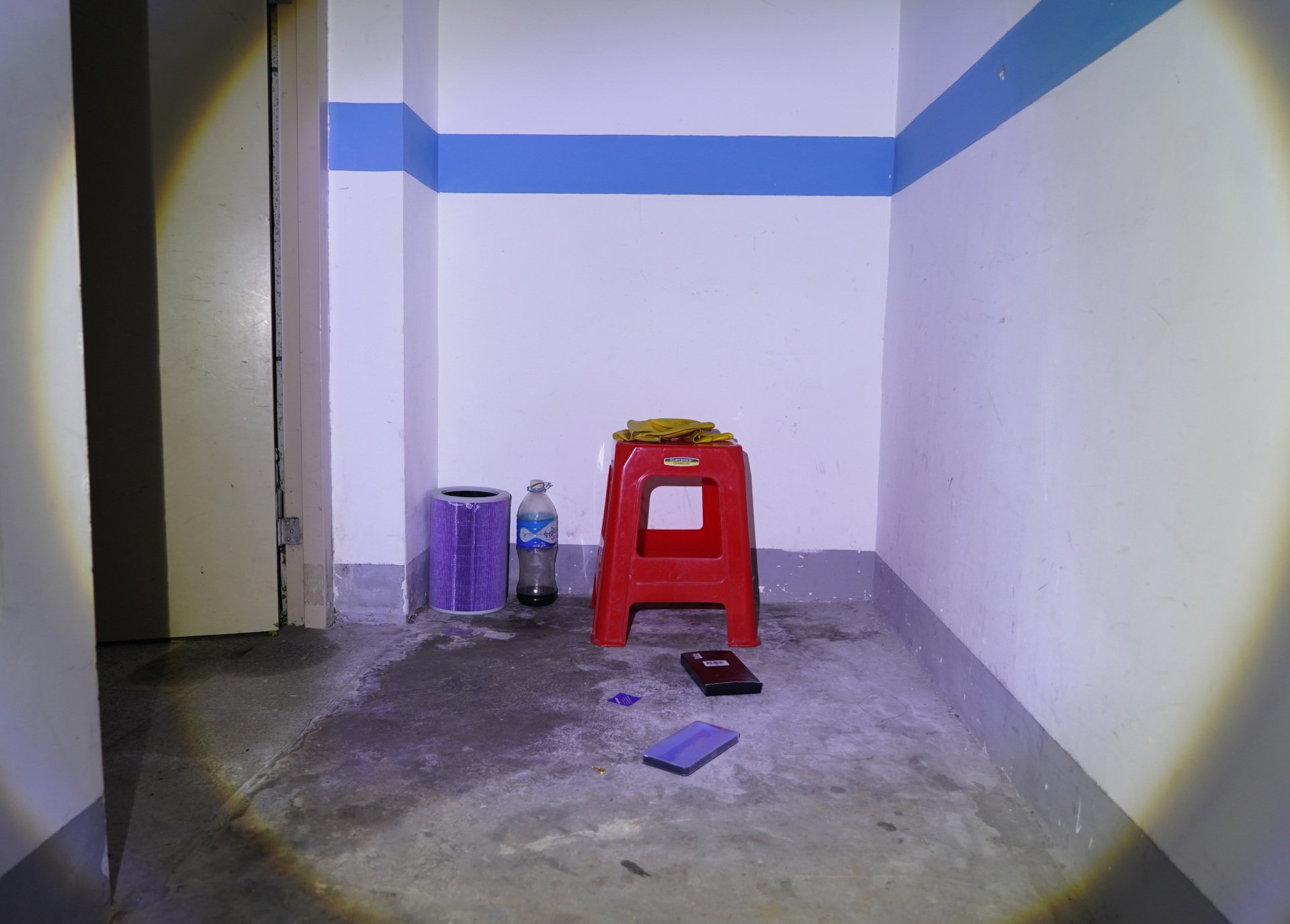
Corner began with a simple observation. While walking through the city, I repeatedly noticed small corners that had been forgotten, neglected, or left unfinished. These spaces often accumulated discarded objects, temporary structures, damaged furniture, and traces of human activity.

Although they are rarely noticed, such places reveal the hidden conditions of urban life. They expose systems of maintenance, labour, consumption, and abandonment that usually remain outside the official image of the city.

Over time, I photographed these corners as independent subjects rather than background details. Isolated from their surroundings, they appear almost sculptural, carrying evidence of use, neglect, adaptation, and survival.

Through this project, I am interested in how overlooked spaces can reflect broader social realities. Corner is a study of the margins of the urban environment and the quiet stories embedded within places that most people pass by without seeing.

Share

The photographer

Yan Jiacheng

Yan Jiacheng is a Chinese photographer and visual artist based in Guangzhou, China. Working primarily with photography, his practice focuses on suburban life, labour, migration, and the social landscapes of contemporary China.

Other featured work

Night in the Suburbs

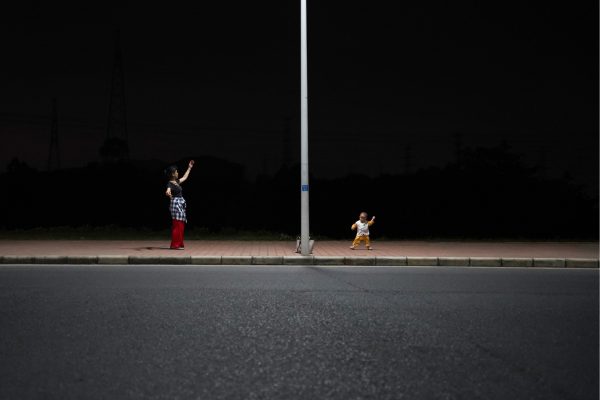
Yan Jiacheng reflects on how people adapt to rapidly changing urban environments, and how public space continues to function as a stage for collective life.

Read More

Explore More

The Interval

Lucie Berquière’s series answers the question – what happens to the characters during a pandemic, when theatres become forbidden places?

Read More

Mi Tóxica Te Amo

In Sharon Eilon’s Cuba, dignity persists in ration lines and decaying doorways, even as a generation disappears.

Read More

Cultural Pane

Michael Parfitt documents Vietnam’s Hmong and Dao communities as they quietly adapt tradition to survive tourism, urbanisation and vanishing land.

Read More