Fine Art

For Whom Will the Sirens Sing

French photographer Théo Giacometti’s wonderfully lyrical series about the Carmargue delta region of Southern France.

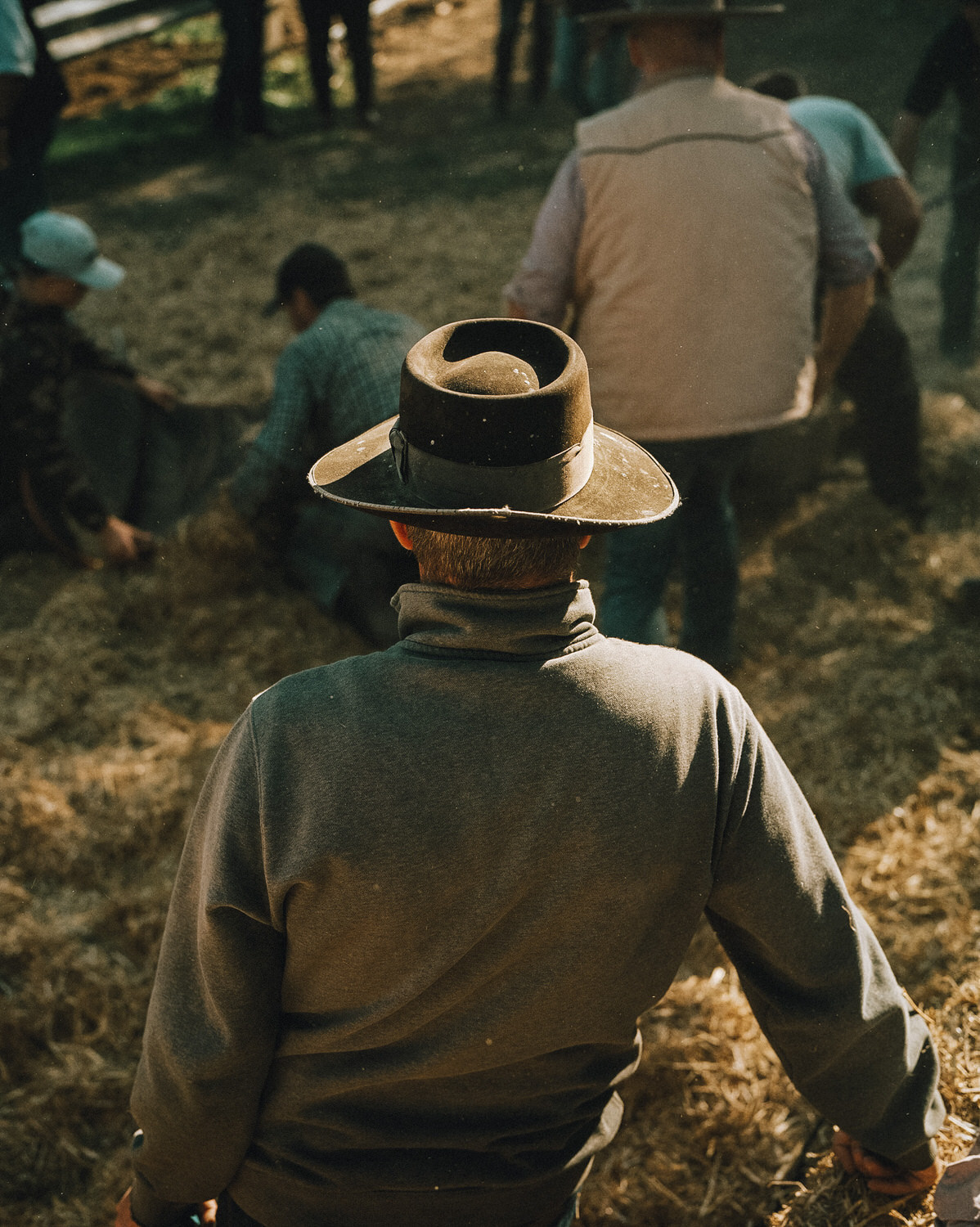
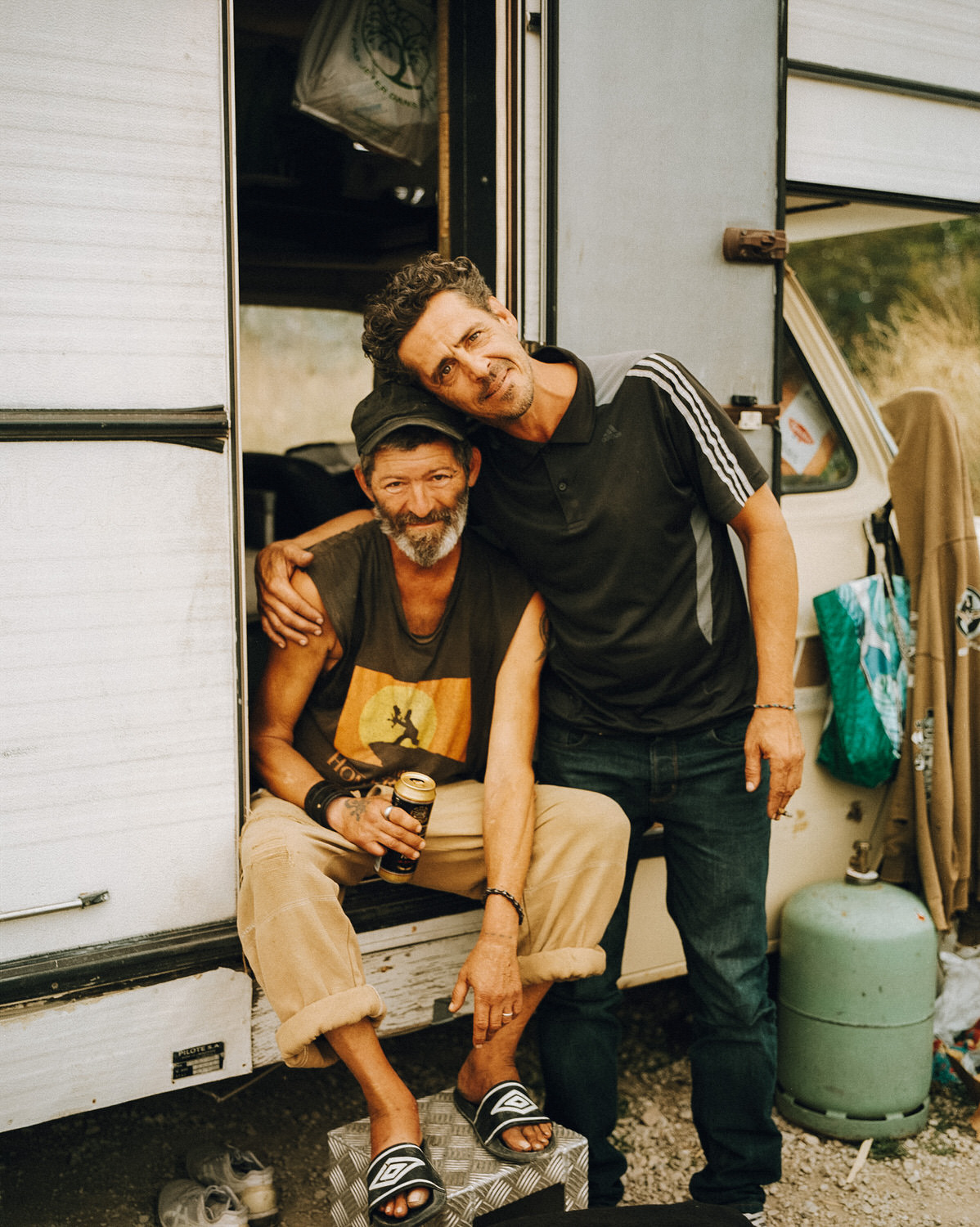
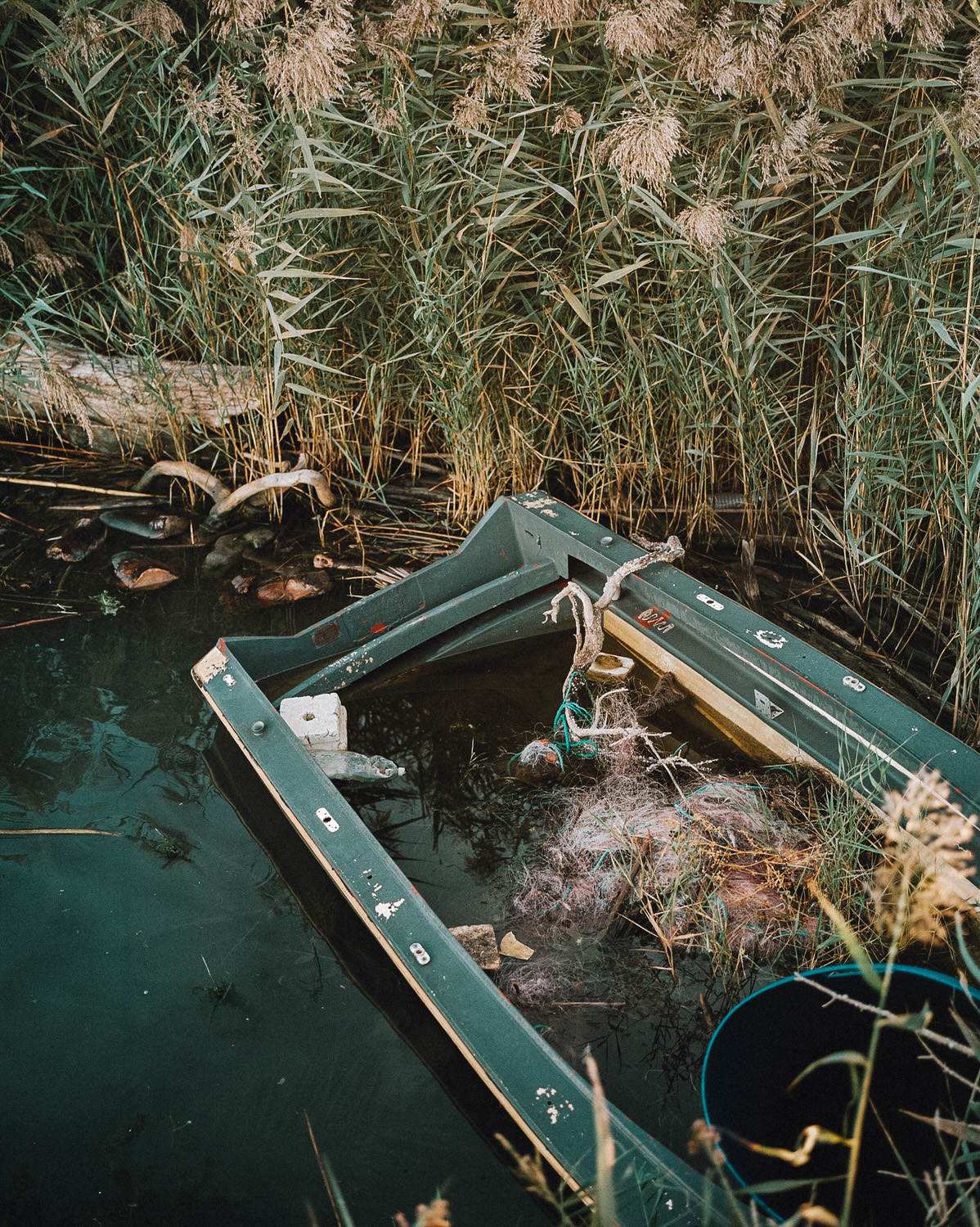
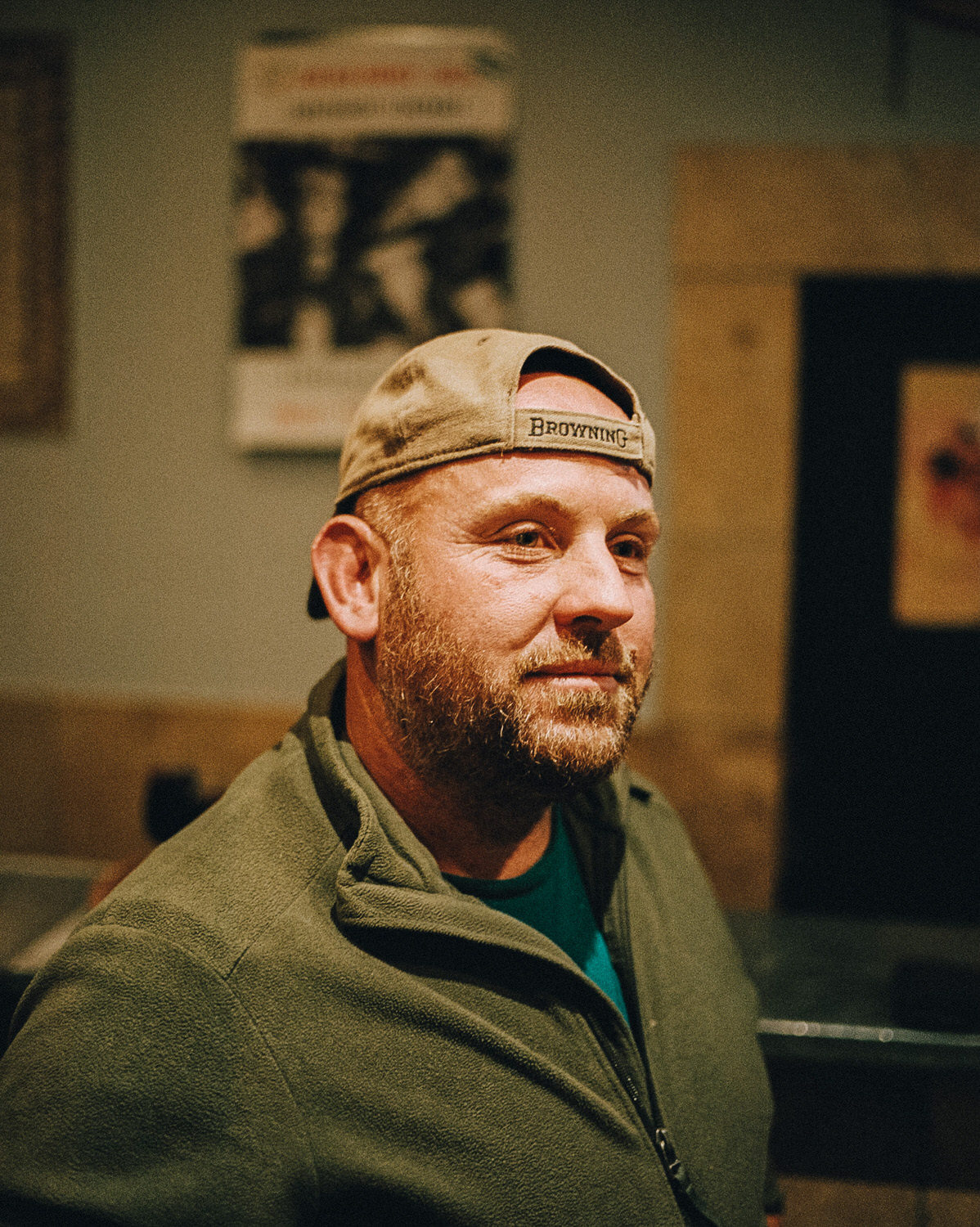
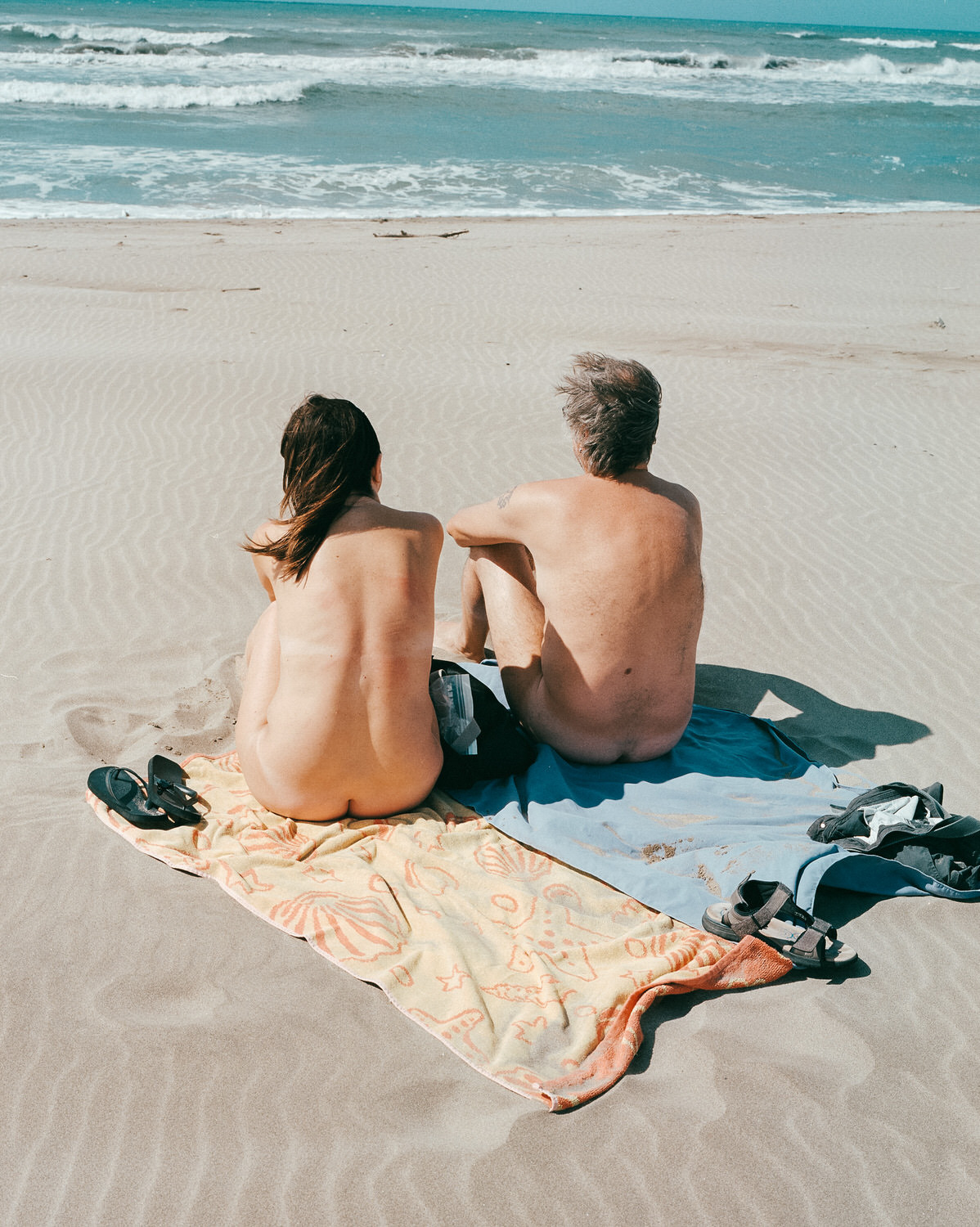
For Whom Will the Sirens Sing is a photographic and literary project set in the Camargue delta, in the south of France — a territory suspended between land and sea, myth and collapse.

Long fantasized as a landscape of salt marshes, flamingos and freedom, the Camargue is now threatened by rising waters, industrial expansion and the slow erosion of its social and ecological fabric.

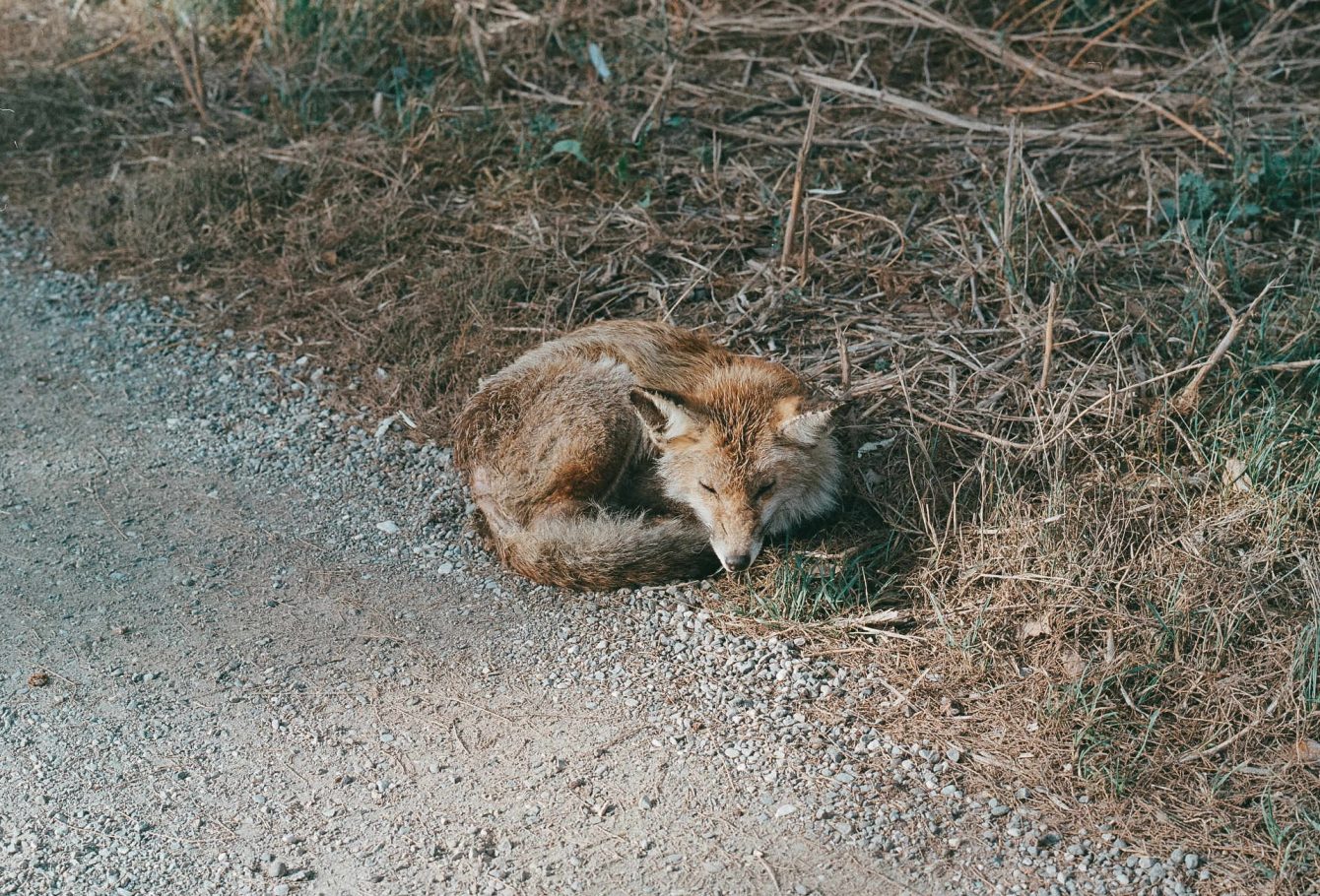
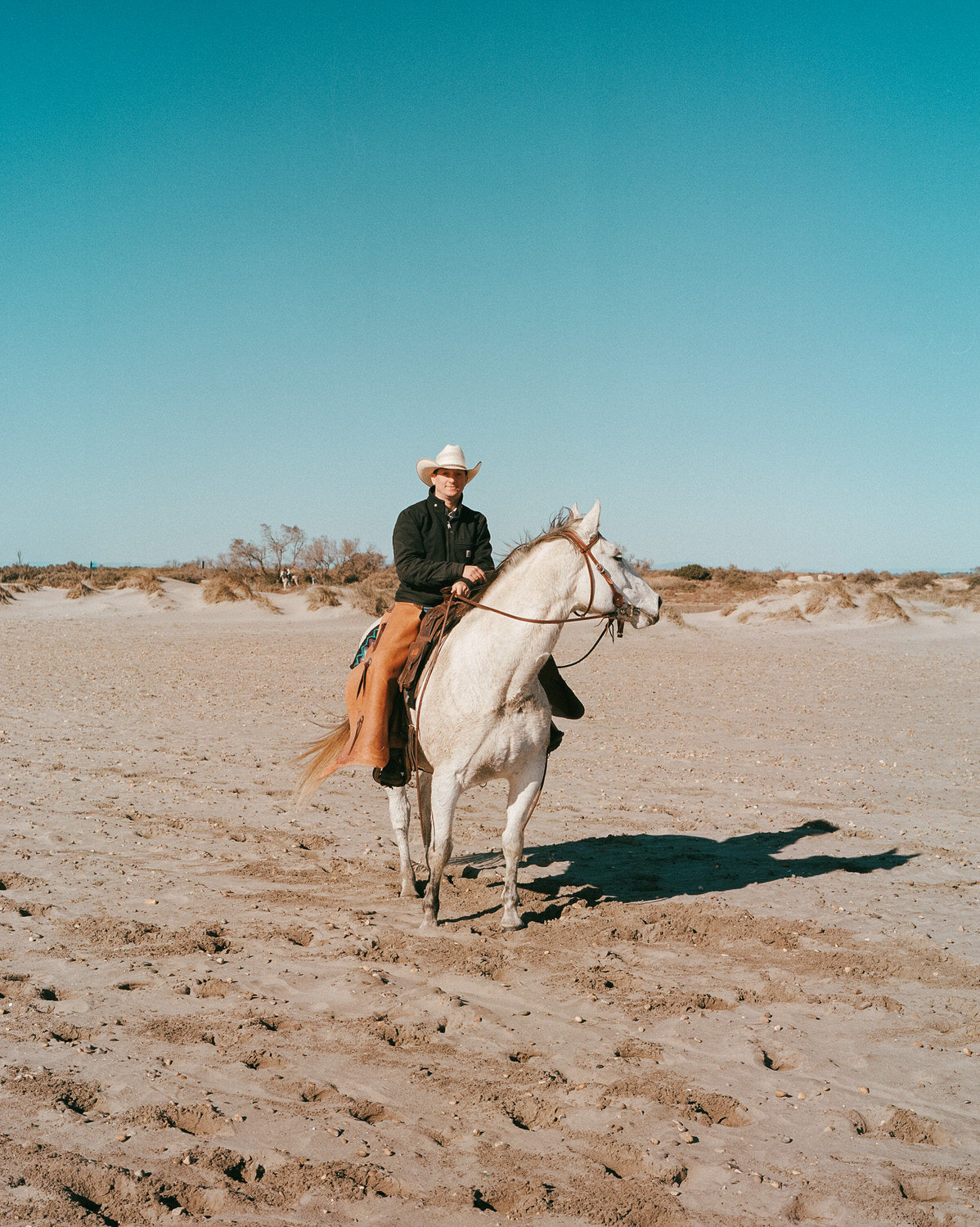
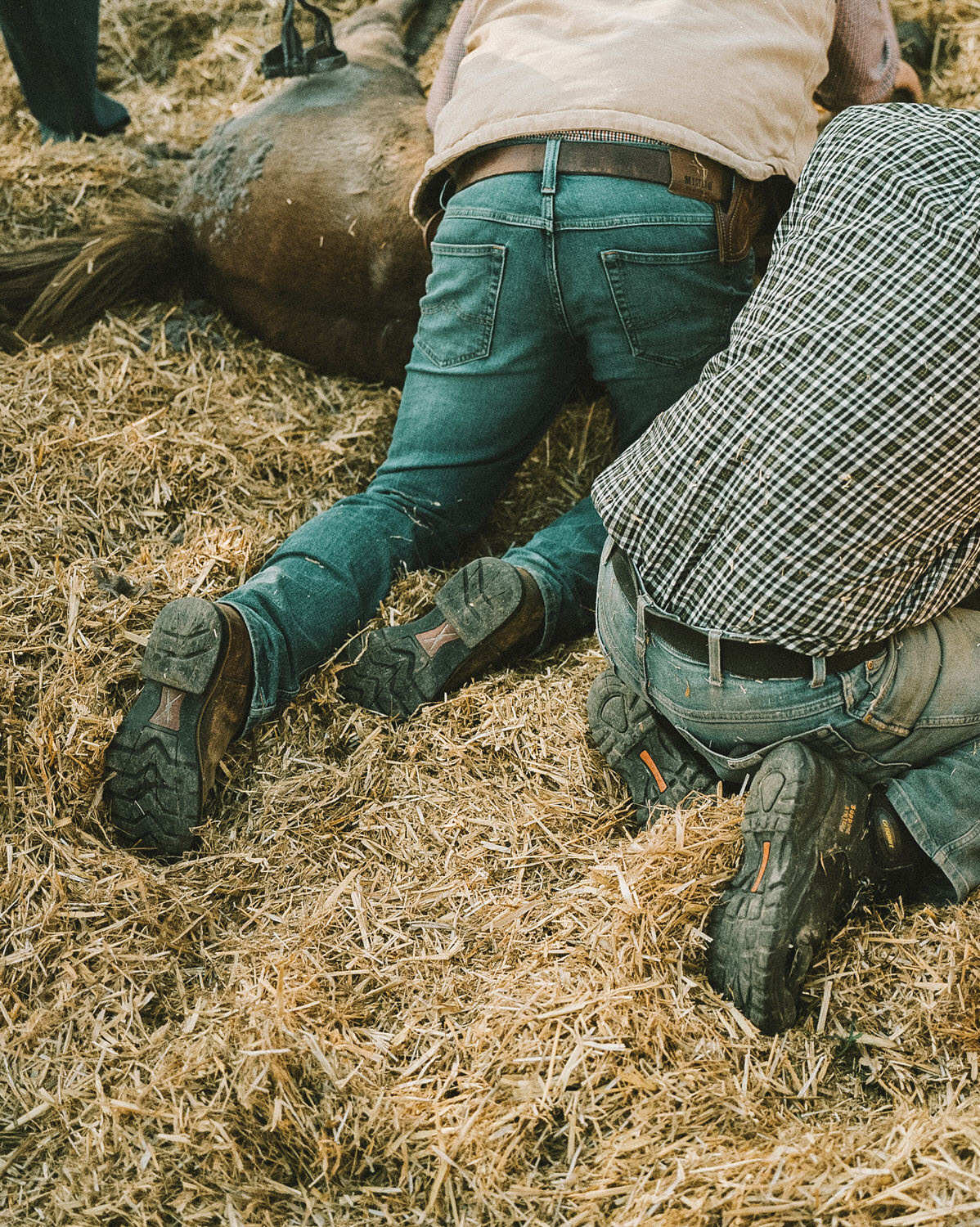
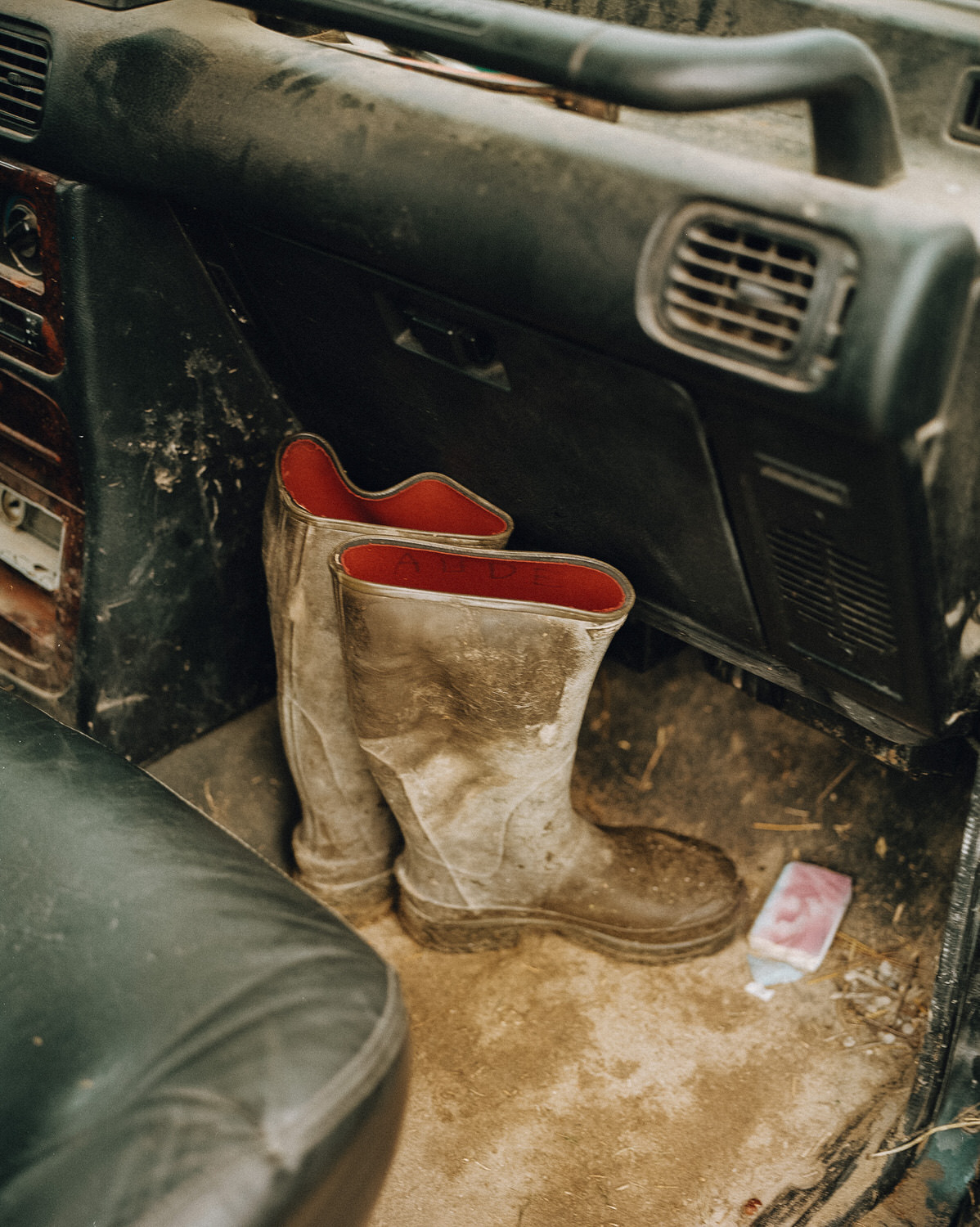
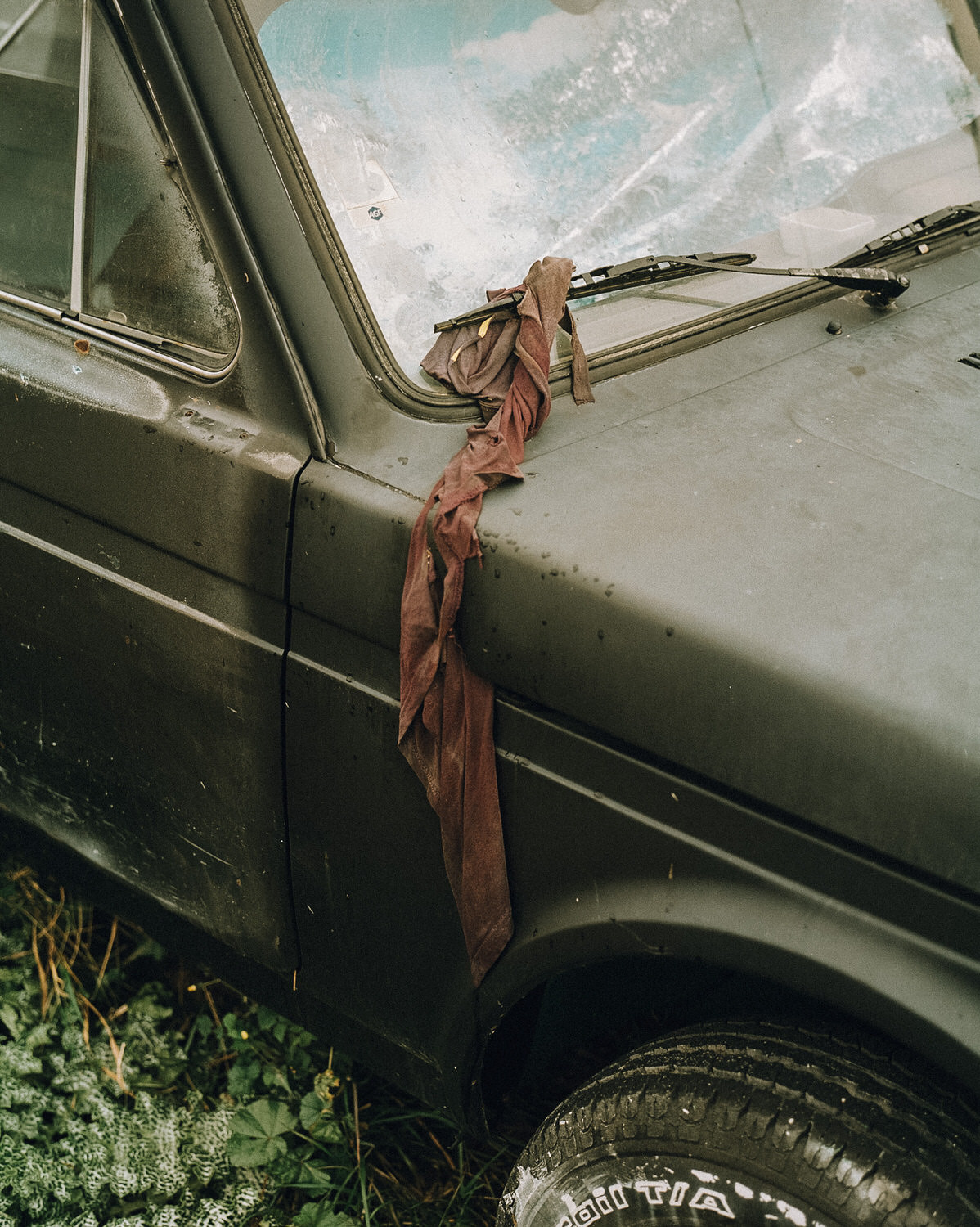
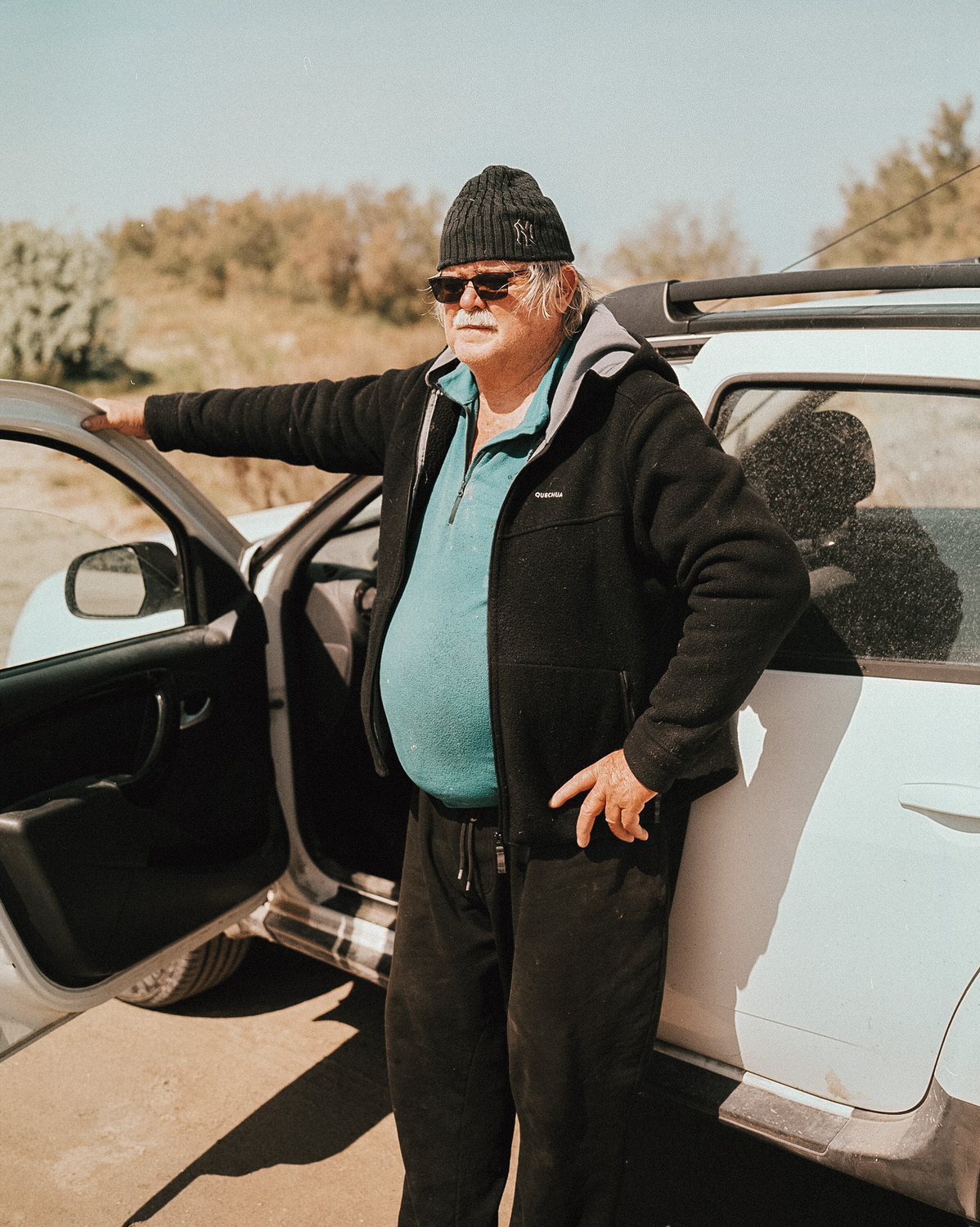
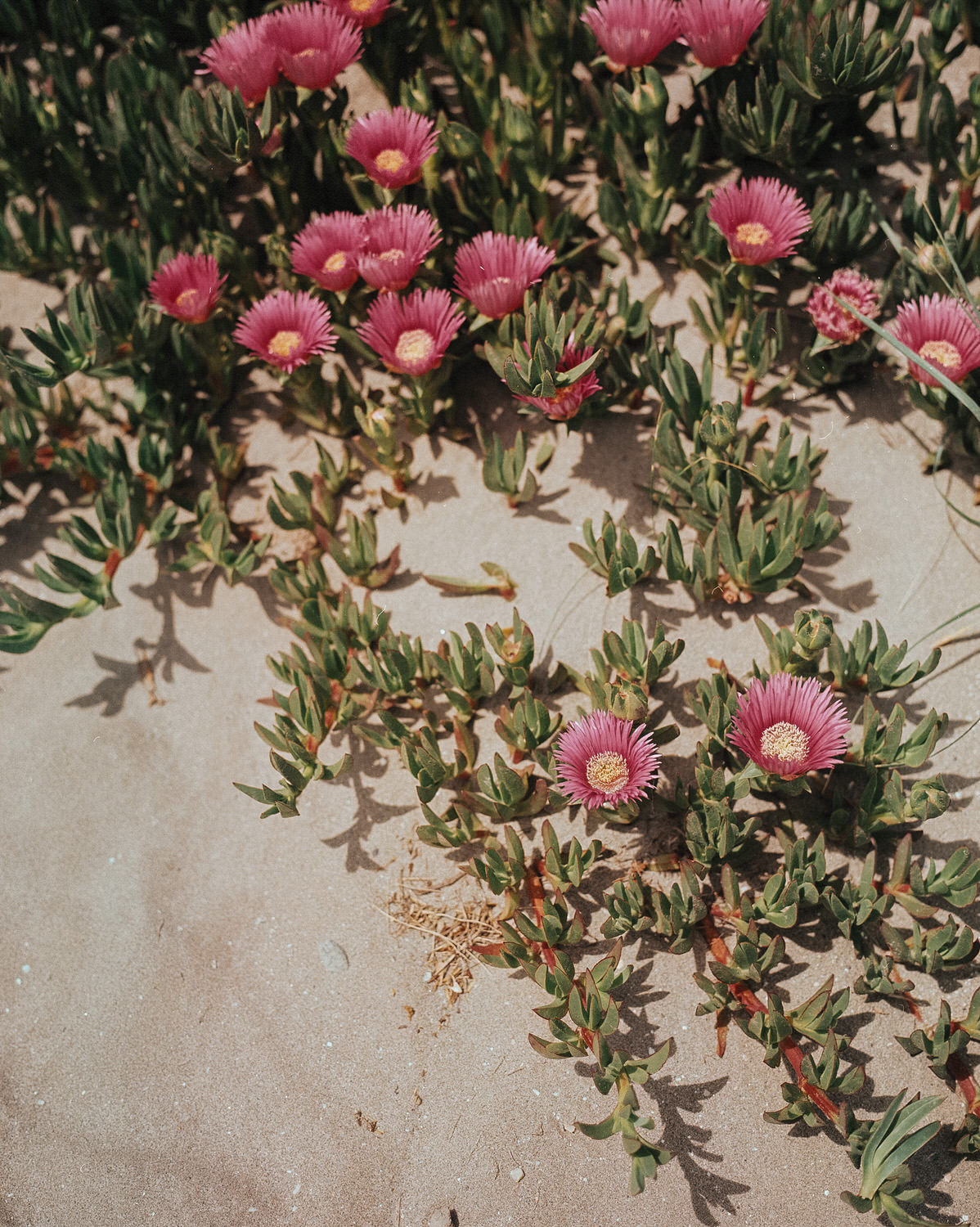
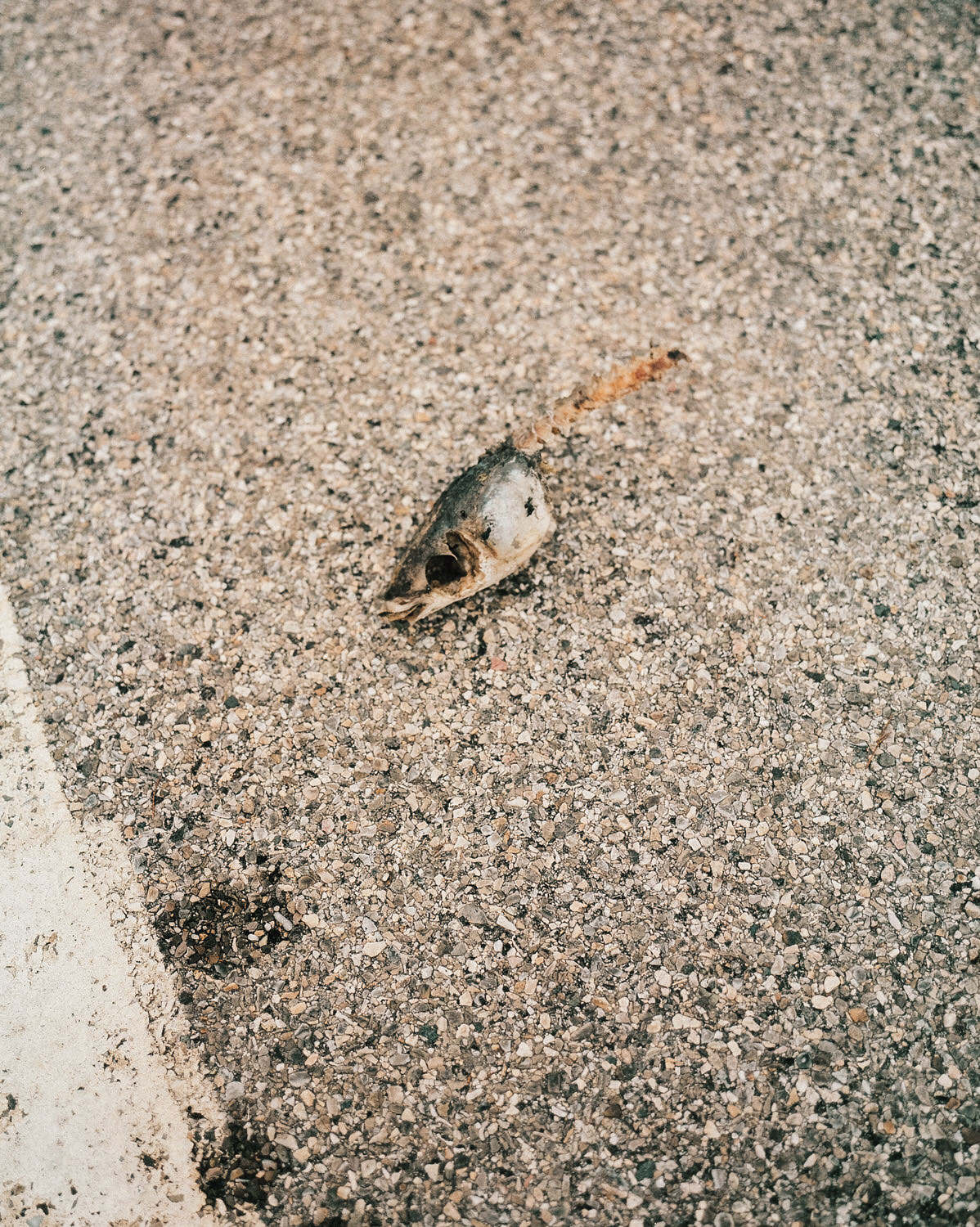
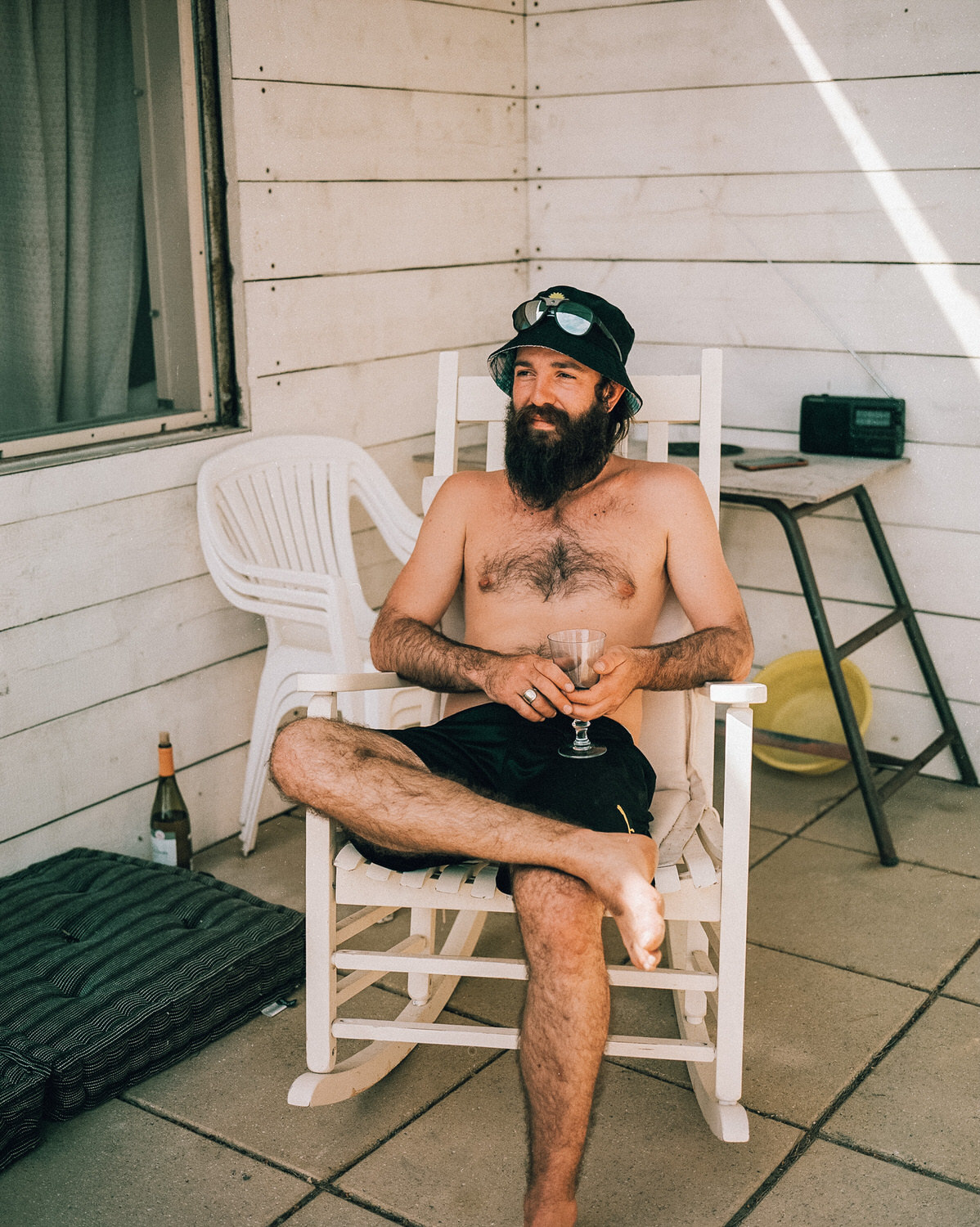
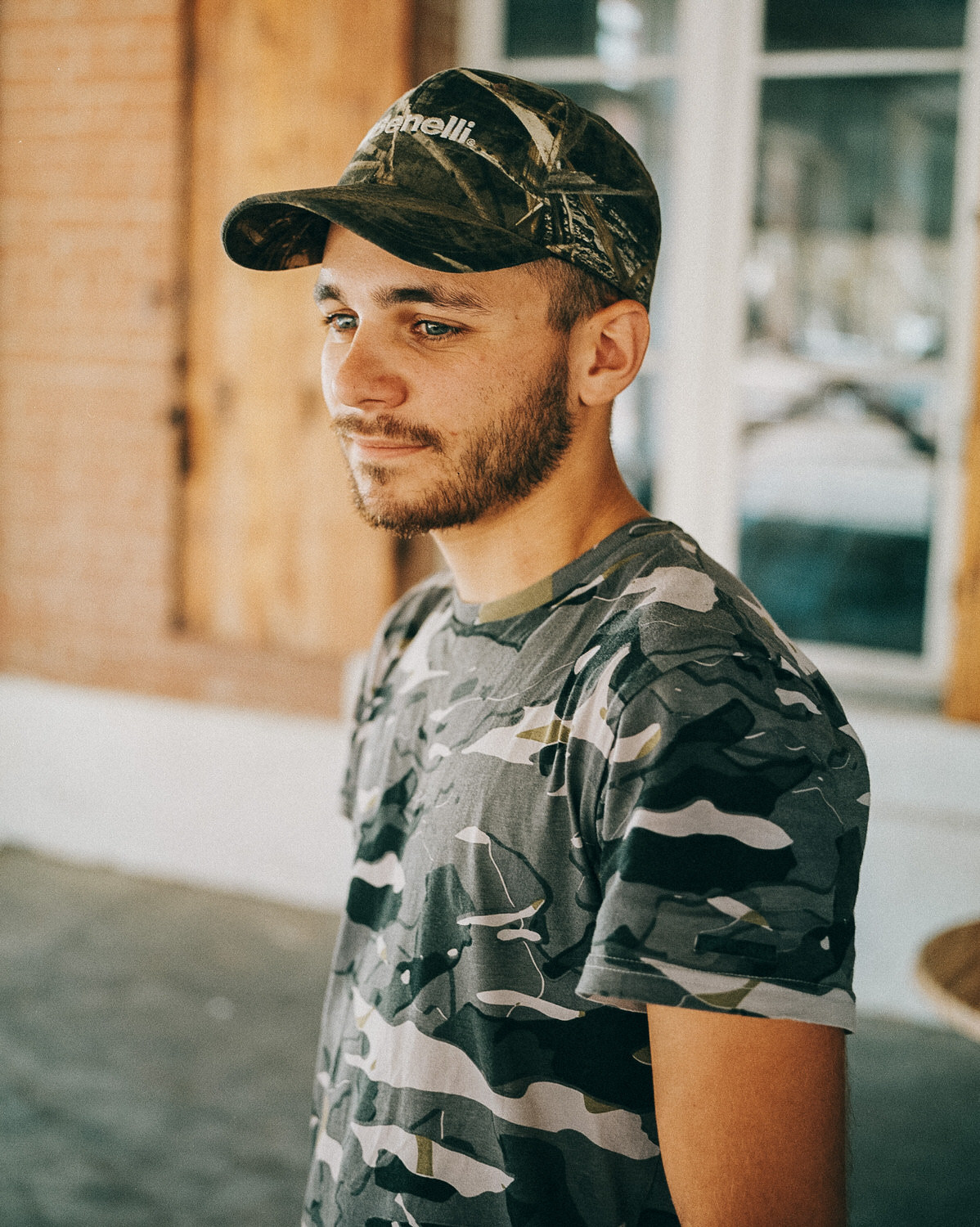
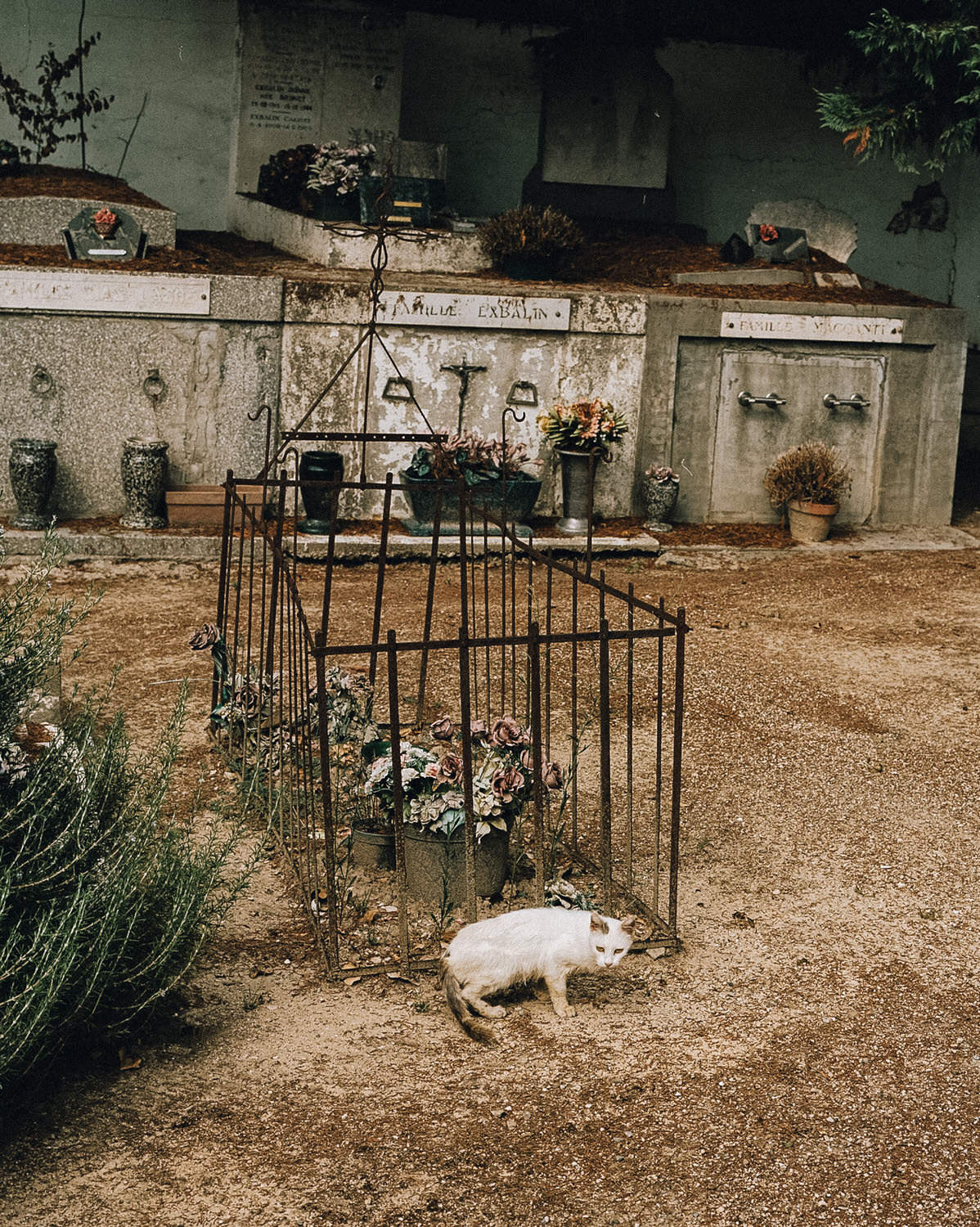
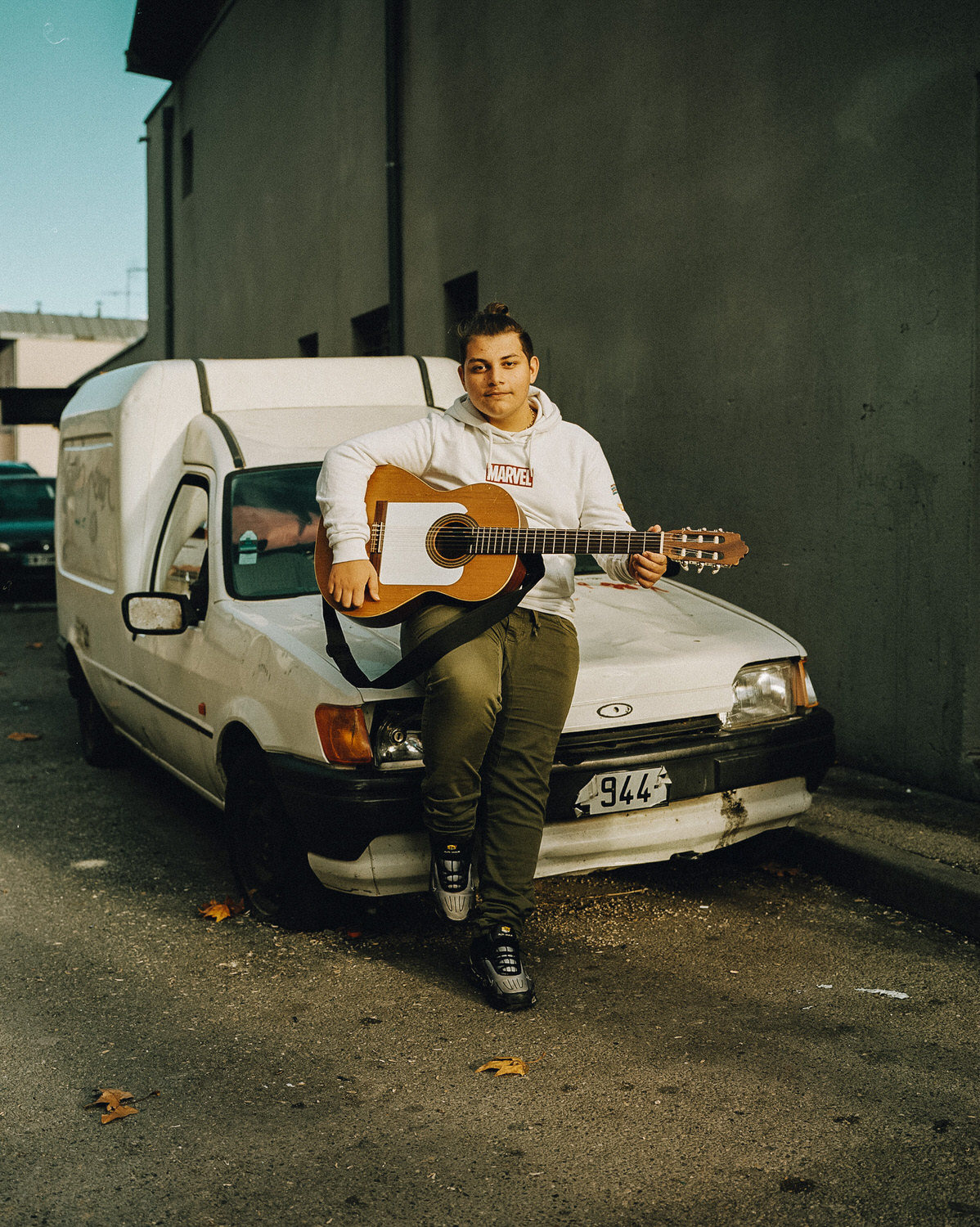
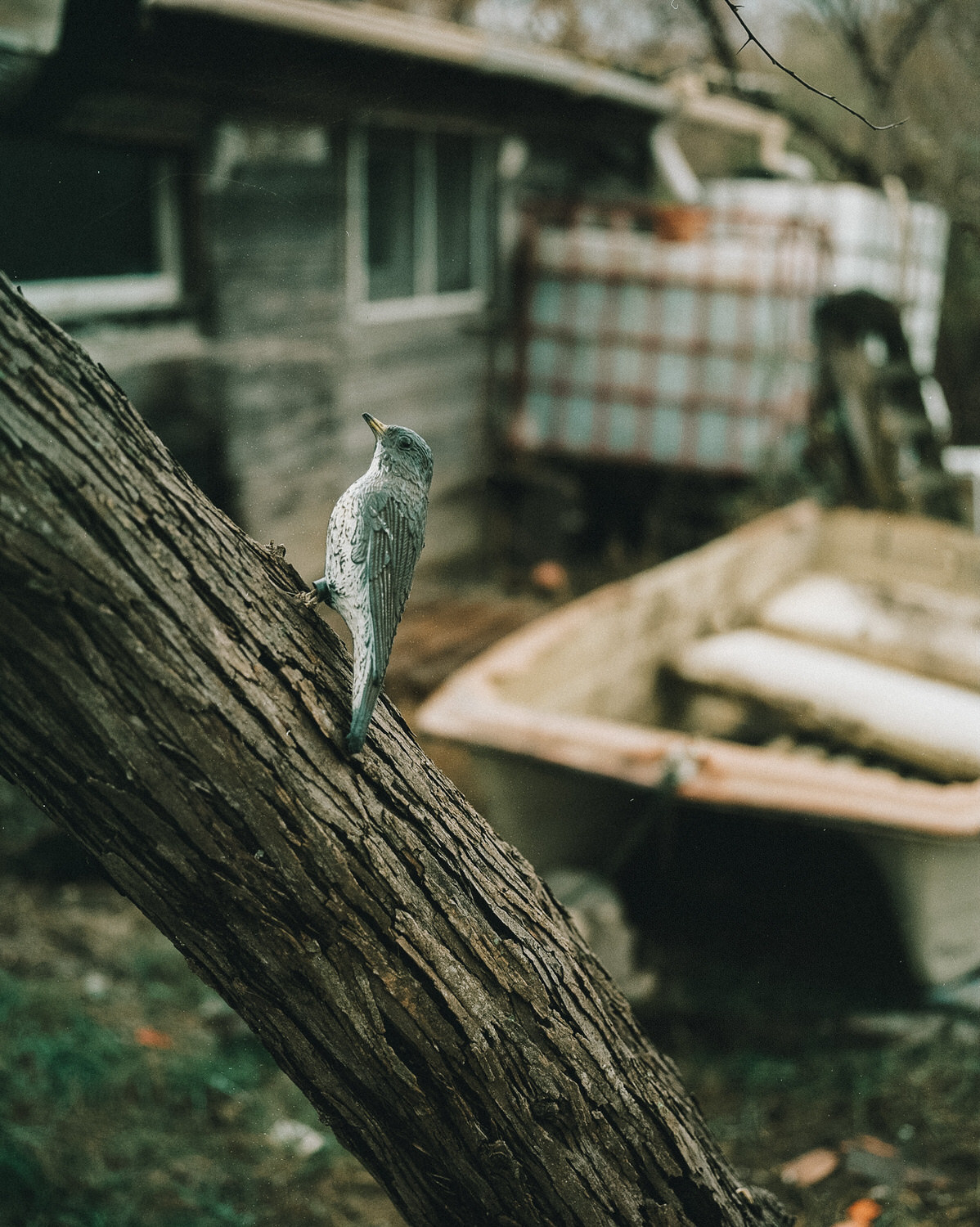
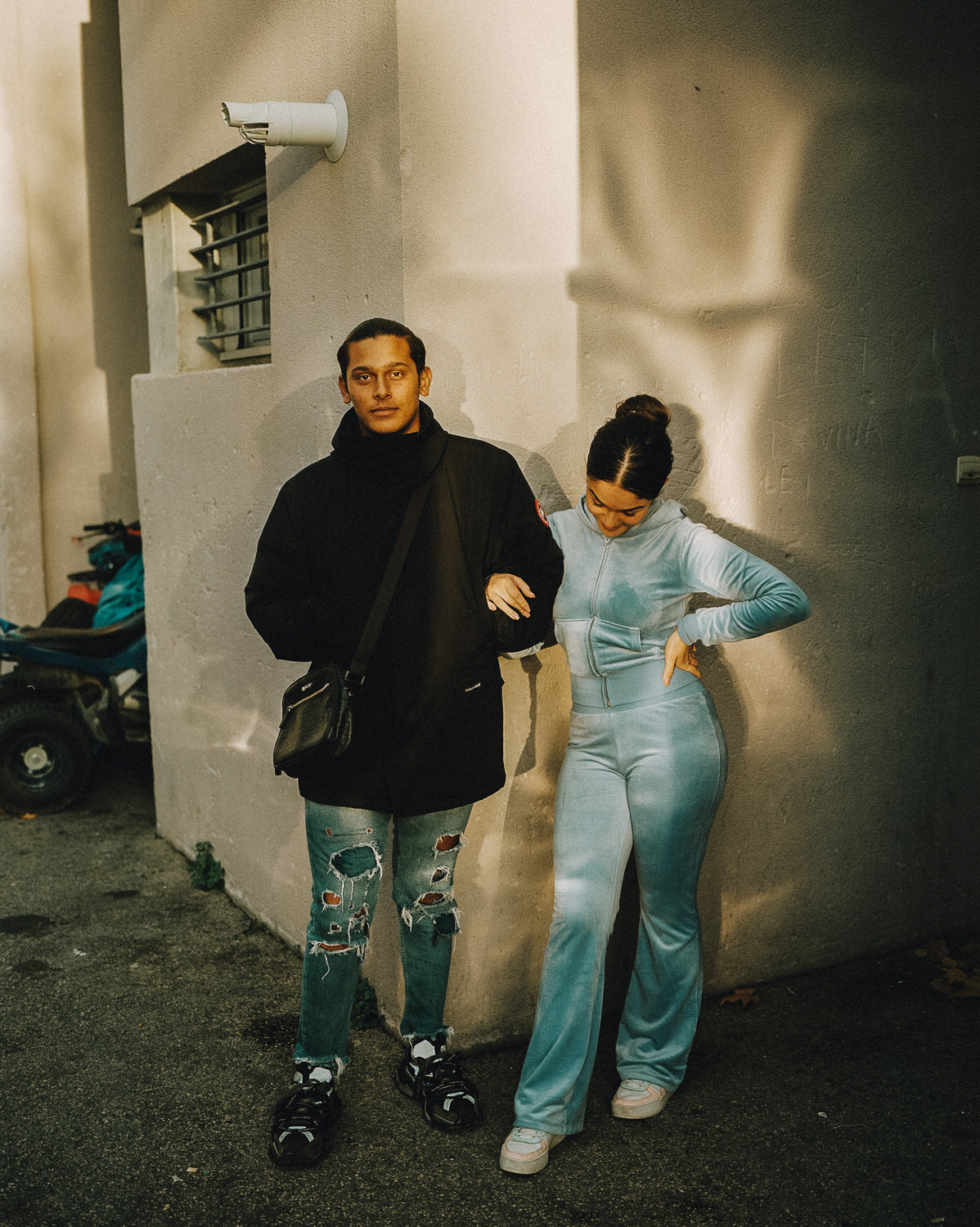
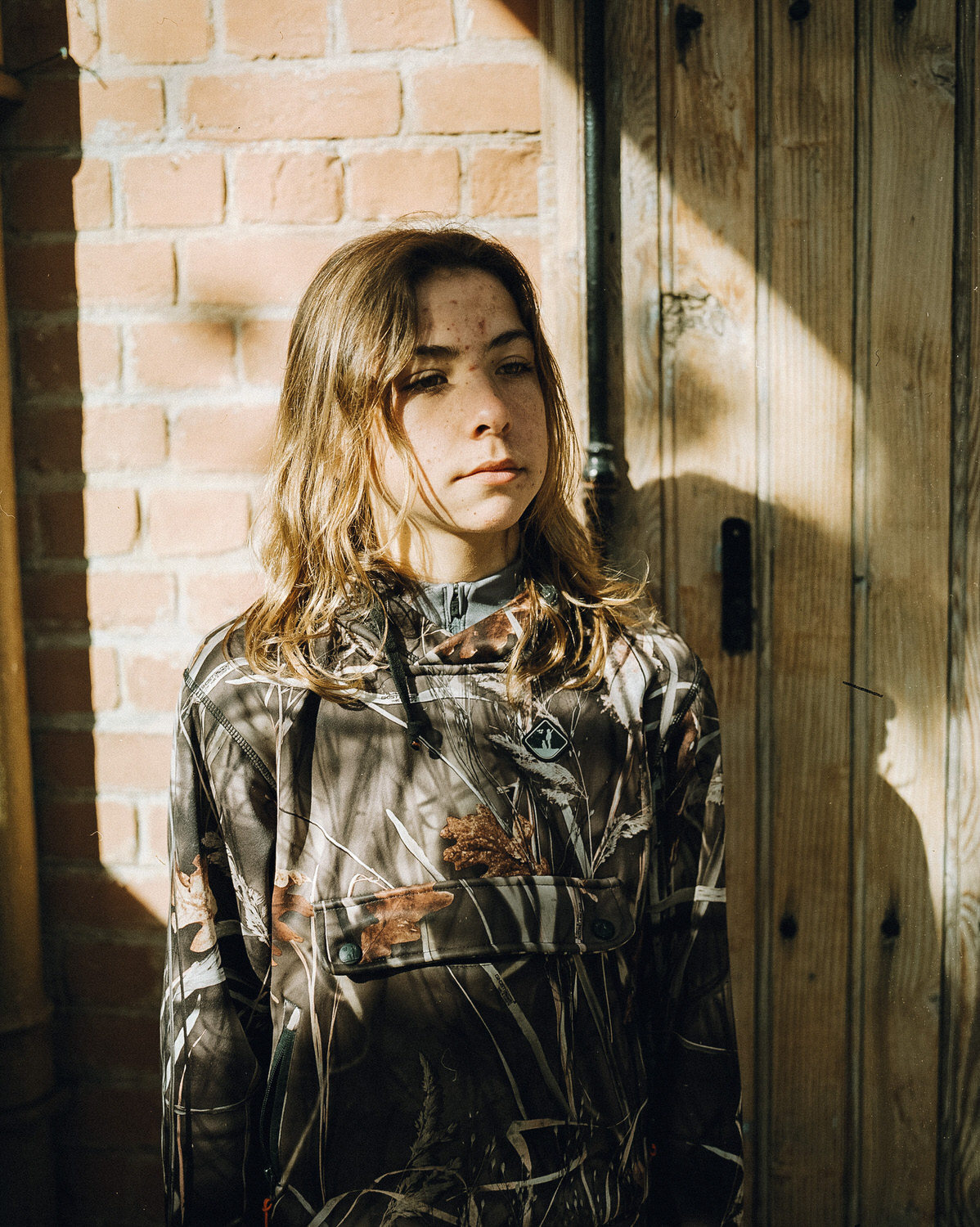
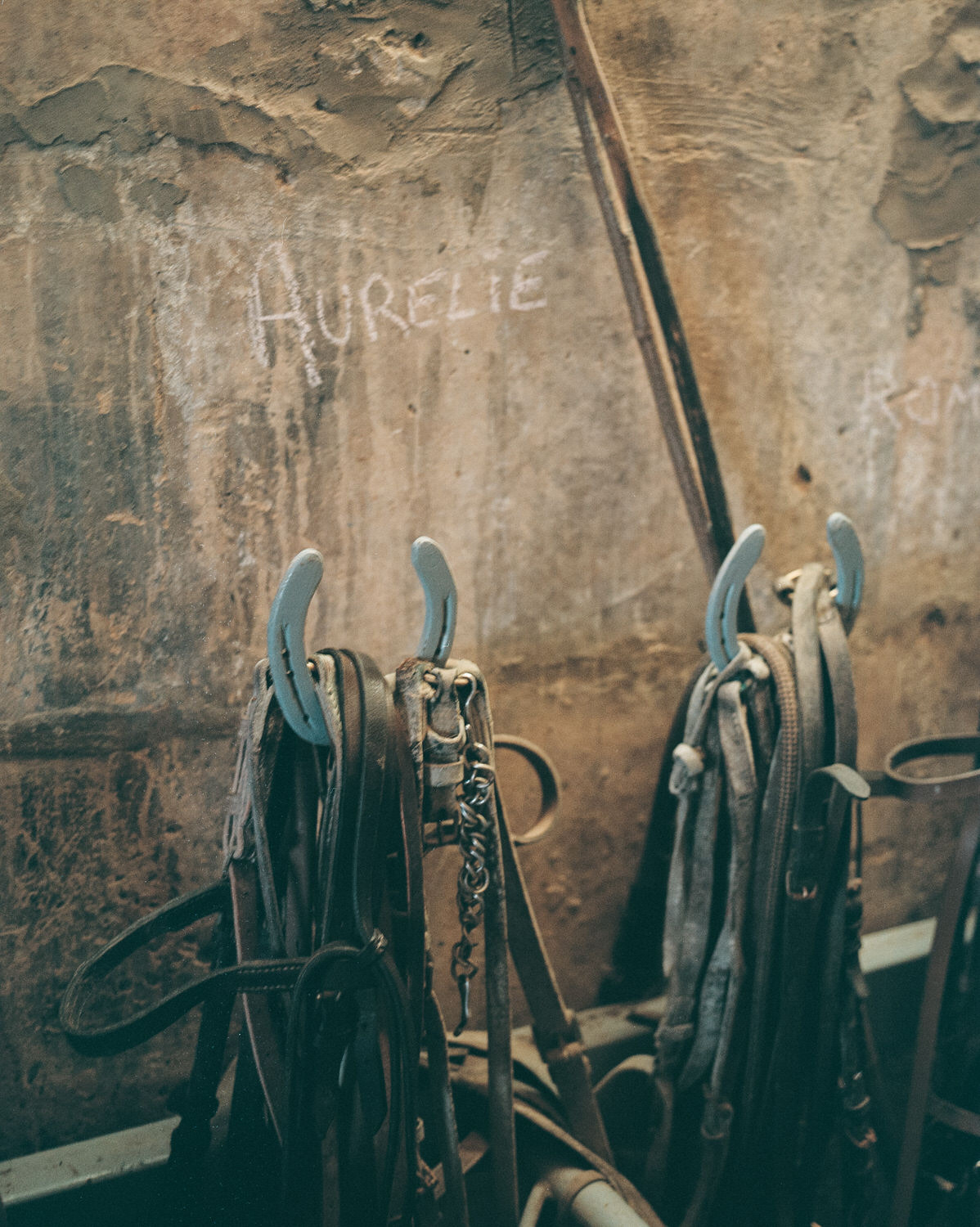
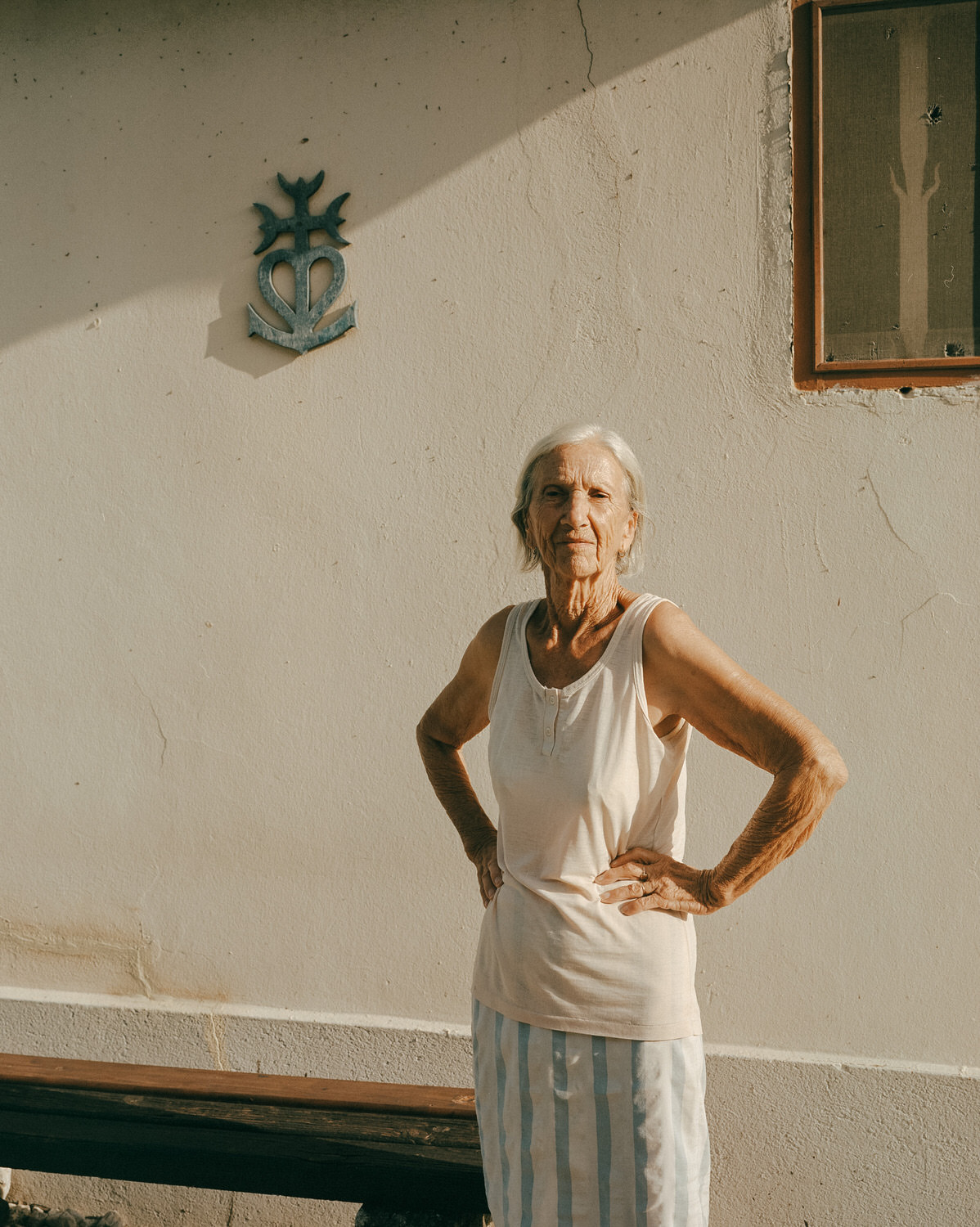
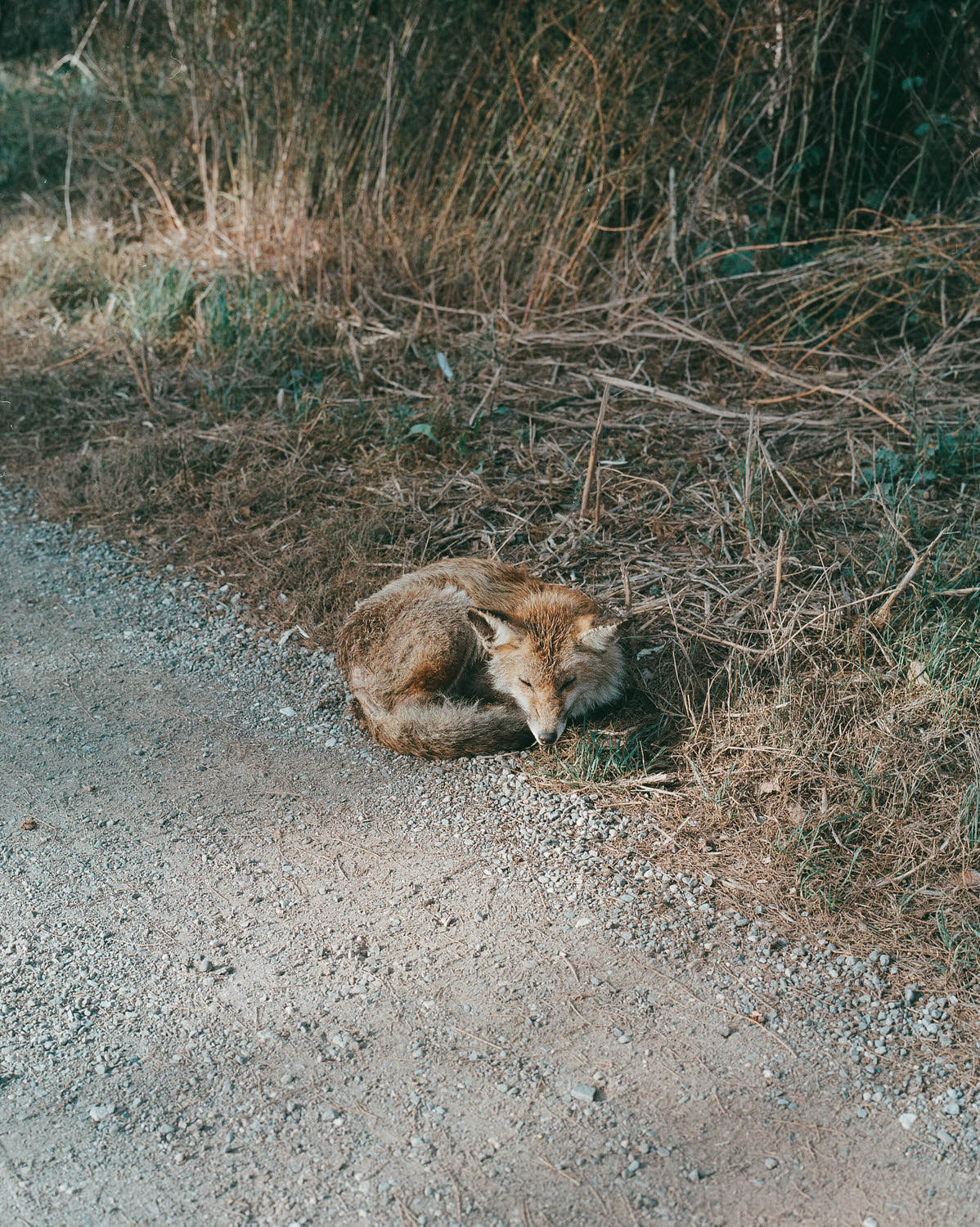
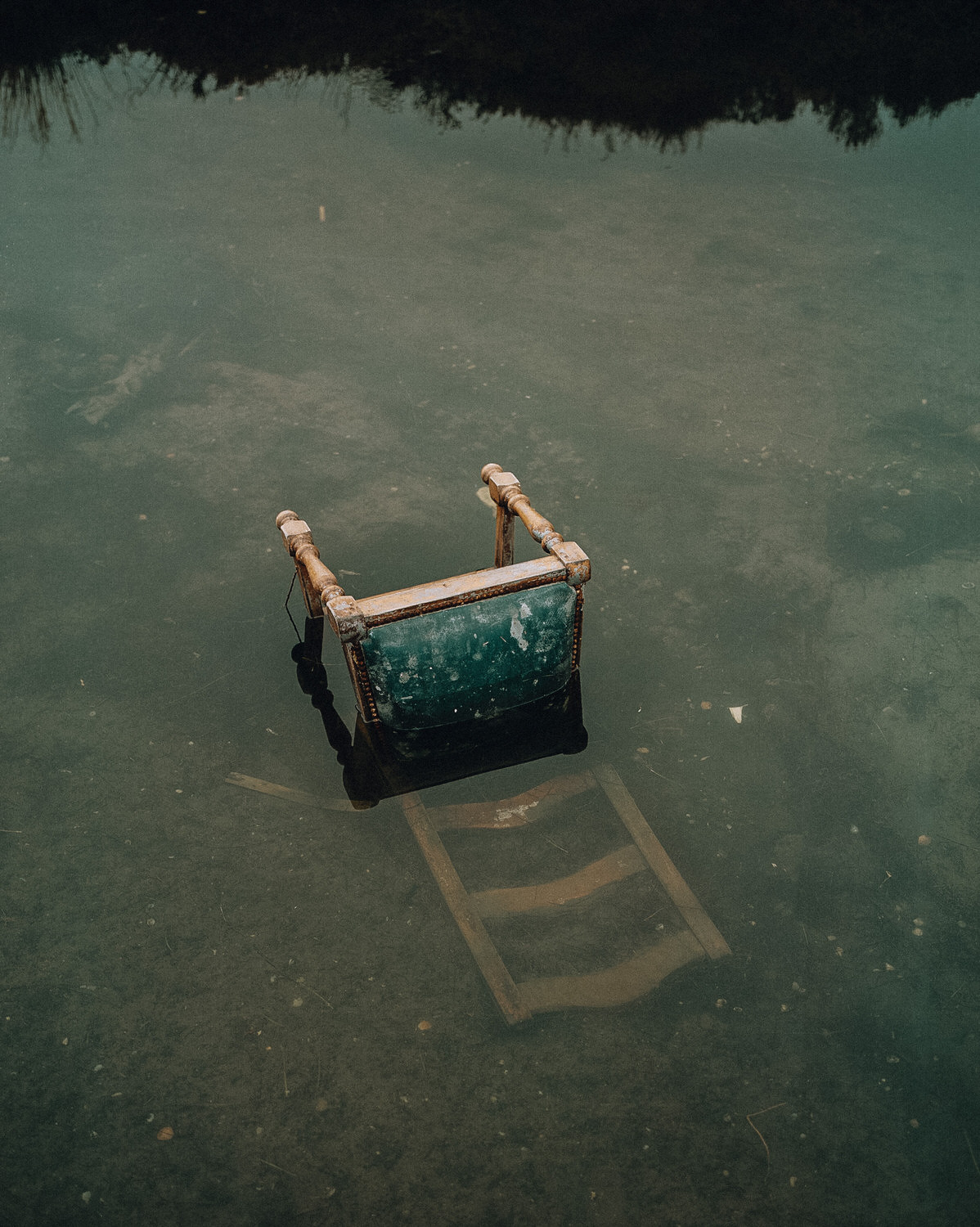
Developed over several years through medium-format analogue photography and fragments of writing, the project drifts between documentary observation and fiction-like narration. Portraits, landscapes and traces of everyday life intertwine to form a fragmented story about a territory already haunted by its own disappearance.

Rather than documenting climate change directly, the work explores what it means for a community to watch its world slowly vanish. The Camargue becomes both a real geography and a symbolic space, where memory, folklore, industry and environmental transformation collide.

What follows is an elegy written by Théo, inspired by this region, a hymn to the people and landscape of this part of Southern France..


For Whom Will the Sirens Sing

It’s an island, but you never see the river

it’s hidden behind huge levees marked no trespassing and the

sea below is so strange that people don’t go there.

I was told that the guys around here live surrounded by water,

but that they love the land


They’re not sailors or fishermen. More like bird hunters.

You get the picture.

Indians or cowboys—we’re not really sure anymore


It’s kind of like the conquest of the West, you know,

civilization moving in without asking for anything.

Who asked the mosquitoes, the herons, the eels if they agreed

with sharing the place?

No one.


Anyway, there were birds of all kinds, game as they say,

quietly prowling through the brush, and a few guys on

horseback chasing after them. Then time flies by as fast as the

river we’re damming, and capitalism, as always, comes along

to bring everyone back to order. We’ve got to make all this

profitable.


Bring me fertilizer and cornfields, bring in tourists, and

build vacation apartments with folk restaurants and

local dances.

Sell me postcards, for God’s sake!


It was off to a good start, but it wasn’t going to last.

Salt is worthless now, the factories annoy the vacationers,

and the environmentalists annoy the factories. There’s still

the show, of course—the colourful dresses twirling in the dust

and the dancing horses—but the road is long and narrow,

and the parking lot is full.

There’s a kid over there playing in the dirt in front of this

little house.

I whisper: a house by the sea. A worker’s dream.


All of this is going to disappear, I tell myself.

Tomorrow,

there won’t be a trace left.

Not a thing.


A few sick fish will come to take shelter under the stove of

the house underwater. The huge chimneys, of course, will have

found refuge a few miles away, taking with them whatever

remains alive here. A weary marsh and dry brush where a few

insects still struggle.

But of all this?


A few memories drifting in the wind and the sad song

of the birds.

South? Nothing left.

And families must have laughed here.


You can see them there, all around. You can still hear them.

The kids running around the table and the grandmas yelling

that it’s going to get cold and the uncles saying “yeah, yeah”

as they pour themselves another drink, and the older kids

already sitting in front of their paper plates, waiting for

the sausages cooking on the rusty scrap-metal grill.

And the boys playing soccer between the cars and their moms

asking them again to come sit down and eat.


Then there’s yelling and singing, and boxes of wine being set

out on the plastic tables—that’s life, buddy—and cigarettes in

the ashtrays, and “here’s another one for you,” and “damn it,

kids, I already told you to get out of here with that ball,

and watch out for the little ones too.”


And the days went by.


Like a warm breath on the oilcloth. And tomorrow there’s

school, of course, but in the meantime we can live—it’s

Sunday, we’re at the cottage, and there are the cousins, and

Uncle clowning around to make the kids laugh, and Grandma

losing her mind, and the big brothers who snatched the rifle

and headed off toward the canal.

And life makes noise, and it gets our knees dirty, but it

feels so good.


And we don’t care about the tablecloth.

We’re not in town here.

Huh?

Do you remember?

“It takes courage to love this land,”

the man whispered

in my ear.

I hadn’t seen him, so close to me.

“I come from nobody and I am nowhere,” he whispered to me in

his language.

His black hair, in curls of salt, falls over his shoulders.

In his eyes—black, of course there is wind and bandit songs,

a gaunt dog passing

through the brambles.


He starts to laugh as he looks at me.

And squeezes my shoulder in his powerful hand.

He laughs again as he walks away,

a laugh that hides the fear of fugitives.


I’d like to cross over to the other side, he says,

but it’s impossible.

All the birds have flown away.


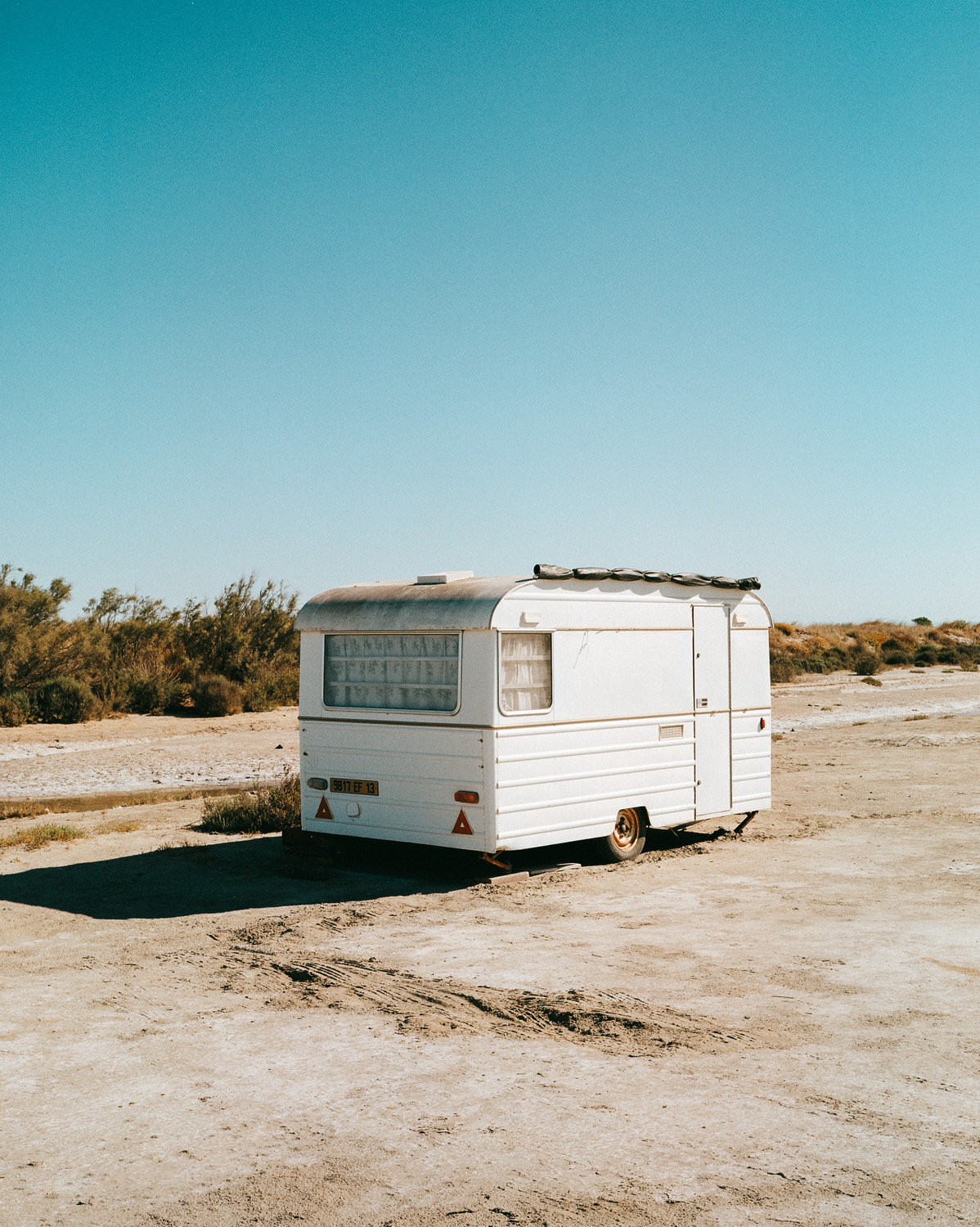
An old guy is drying his faded shirt in front of his trailer,

which hasn’t moved since before I was born, and he just wants

to play dice with his buddies, have a little drink at noon

with the three ice cubes lying around in his cooler,

but it’s too late.


The world is moving forward and crushing everything.

We have to get rid of all these people.

“The sea is rising, they tell us.”

Oh yeah?


But then why are we selling land to Spaniards so they can come

grow melons in greenhouses?

Well, that’s the thing, my friend.

And the dog

barking as he waits for his bone, in front of the barbed wire

that scars the plain like

the scar running down the arm of that former dockworker.

And what of the gypsies—have they already vanished, beneath

the pink evening sky?

Where has the fortune-teller gone?

What has she done with her cheap trinkets and plastic cards?

We haven’t heard the guitars weep for centuries.


But for whom will the sirens and the wind sing,

the old man asks me,

coughing as he leans on his bent car door?


Soon there will be nothing left but souvenir shops for

tourists.

We’ve put dams all over the river, drained the marshes, fenced

off all the fields, gagged the rivers, and dammed up the ponds.

Believe me, kid, soon there’ll be nothing left of this town

but one island.

I sure hope the sea comes and washes everything away, leaving

only the church, standing there right in the middle of the

sea.

Like a fool in the sun.

That would be beautiful, you know.


All the tourists underwater, with their fancy cars and their

overpriced restaurants. Gone.

We’d finally have some peace, you see.


The horses will have time to leave in peace; don’t worry about

them.

I have known, however, some clever and curious birds of prey,

intrepid travellers

who had long been saying that this land was uninhabitable

and that,

my friend,

it was all just

dust.


And the elders knew,

and all hope was in vain; but now, let’s drink

this round’s on me

since we might as well enjoy it a little,

and let’s reminisce together about the good old days,

you know,

the ones before the dawn of time,

even before that

you know, your grandparents, and then me at your age.

The sun was gentle, and the marshes teemed with

ducks

and eels,

and then the larks

we used to shoot them easily, right there, I tell you, behind

your grandfather’s house


you should’ve seen it.


We’d run off so we wouldn’t get caught when we shot too close

to old Madeleine’s place.


Hey, kid,

do you think it’s better somewhere else?


That the tall banana trees and mangroves,

over there,

far away,

elsewhere,

in another realm,

have easily won the battle of life against the concrete mixers

running at full speed and spewing out their dead earth and

barren dreams, on which only cold resorts and filthy hotels

grow.

Hey, what do you think?


That the huge flowers of the wild cacti,

and the orchids,

beneath their fragile trees, won’t one day end up with their

feet in the water?


All of this, everywhere, in the same boat, and it’s not

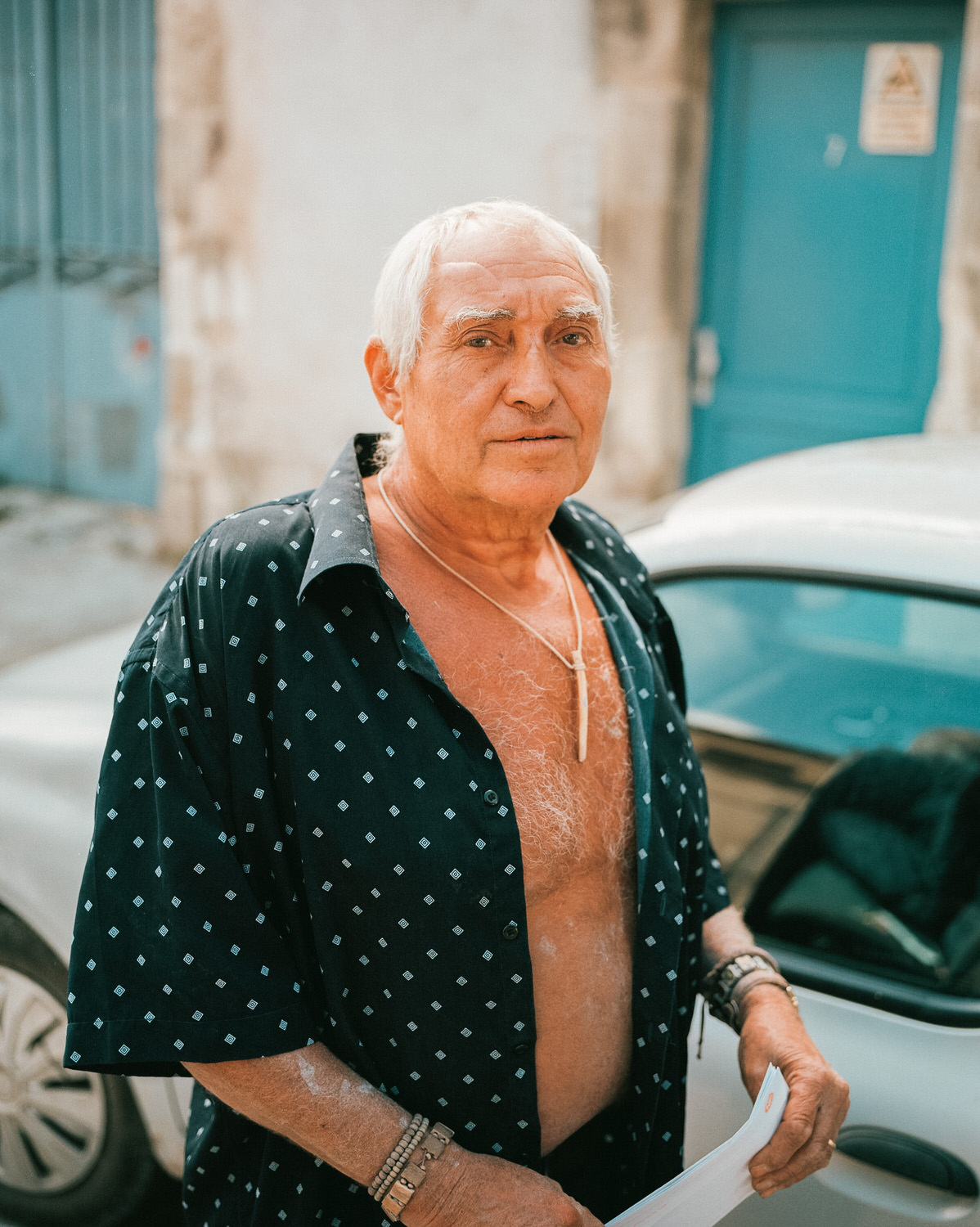
the sun-scorched fisherman in his flowered shirt who’ll say

otherwise.


Pounds of eels, he tells me again, showing me his hands, where

he can still feel them.


Never forget, he insists, that we’re just labor.

Just scrap dogs.

Nothing more, nothing less. If they have to redraw the map and

move the factory, it doesn’t make them tremble, not a single

cold sweat.

Nothing in the world needs to change

there’ll always be Europe, you know, the subsidies, the

development and transition aid.


Believe me, kid, none of that will change a thing.

We’ll always be able to go screw things up somewhere else,

because that’s what we’re made for,

and we do it so well.

A wounded bird is chirping at my window.

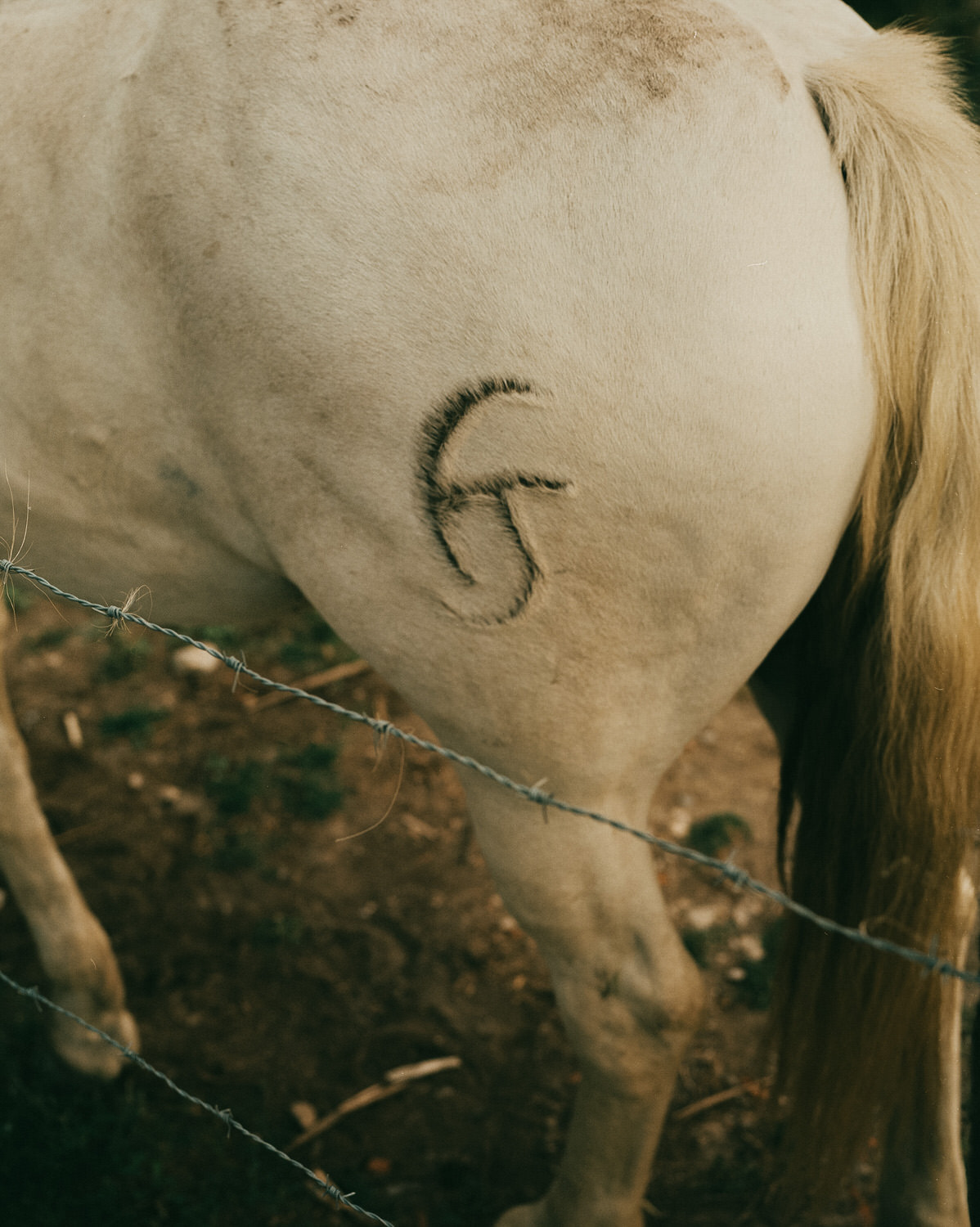
I keep thinking about that horse I met today.


He was bored, all alone in his paddock.

Under a tree, which was also all by itself. It was a gray day,

and I’d been walking for a while without knowing what I was

looking for. A photo I didn’t find or a meeting I didn’t have—I

can’t remember anymore. But I was walking around there and I

saw this horse, with his white coat, of course.

He was bored out of his mind, and when he saw me, he came over

to me, stuck his head over the barbed wire, and with his eyes

full of flies, he asked me what I was doing there.


You don’t look like you’re from around here. You look bored

too. So I told him, I’m not bored, I’m just a little lost,

that’s all. I thought he was beautiful, and yet he was sad. I

looked at the tattoo on his rump and thought of the slaves.

It broke my heart.

“Look how beautiful my Negro is,” they used to say. A true

savage. I thought about that, too.


My beautiful wild horse living in a prison with a tattoo on

his rump. Ready to take you on authentic rides, gallops in the

cool air, through the raging marshes.


Freedom, ladies and gentlemen,

for twenty-five bucks an hour.


The tourists will take pictures of him, too. When he gallops

through the marshes, not here.


No, not here.


Look at that Pegasus—he’s broken his chains, and here he is at

last, making the sky roar and whirling up the sand and the red

clouds and the waves of foam that rumble in his wake.


Is this finally him—the wild horse, the untameable mustang, the

mighty centaur we’ve been searching for?


All of this makes me sad—that sick bird, that bored horse, and

those men

I never saw.

And I remember the sea,

which is always sobbing nearby, waiting for its turn and then

its days of glory.

It knows full well that it can first spew its waters into the

cellars, from time to time, on days of high winds, as if

nothing were amiss, when the rain helps it swell its back.


People will say it’s a flood;

there have always been floods.


Then, summer after summer, it will make the dikes and beaches

waver, then settle right there, right in front of your little

garden where you used to park your car.

A few meters from the dilapidated gate.

It will only need to regain a little strength to invite itself

into your home on its next visit.

To your table, right in front of your TV.


It doesn’t give a damn about the rug you got from your

grandmother and that you cherished;

it wants to devour everything,

gnaw at everything,

take everything.

You owe it that much,

don’t you?


You can already smell the sea air,

the seaweed,

and everything the sea has washed up along the way.

Alain’s old rowboat, now stranded right outside your bedroom

window.


The first scrawny, grayish crabs scratching

at the wallpaper.

And a fishing net hanging in front of your fireplace.

Water seeping in everywhere and crumbling concrete, Patrick’s

old car left in the garden and starting to rust, with a

curious heron perched

on the roof,

its sharp eye searching for a meal.


You’ll already be far away.


But the sea, no doubt, will come back for you, in the alley to

the right at the back of the cemetery

and one day it will caress the beautiful marble family plaque,

and curious fishes will come to snoop among the stone crosses

and broken vases.


What god then will be able to save your island?

What prayer remains to be sung to ward off the salt?

I really have no idea, and I do not know the Gods.

Beneath the horizon of the seas,

a few curious octopuses will remain,

lounging in the windowless living rooms

beneath the photos of ancestors hanging on

the tattered tapestry,


and they’ll also share the little

girl’s room

with a few families of mussels


even if they aren’t noisy, you have to admit they do take up a

bit of space.


And nearby, just a few kilometers away,

behind the hill and the new beach,

the humming concrete mixers are already

spewing out

their bright concrete,

and then the foundations of the tomorrow’s city,

there used to be trees here, remember, kid.

And now, calm.

And the sun will keep dancing all around the earth.

But now,

my boy,

I’m heading back to the garden

I’ve still got work to do. You can’t just stand around,

as my father used to say.

And following the river, we reach the sea.

Share

The photographer

Théo Giacometti

Théo Giacometti is a French photographer and writer based in Marseille. Working mainly with analogue photography, his practice is rooted in documentary methods: spending time in a place, meeting people, returning, and photographing what happens in real life.

Other featured work

No results found.

Explore More

Mi Tóxica Te Amo

In Sharon Eilon’s Cuba, dignity persists in ration lines and decaying doorways, even as a generation disappears.

Read More

Cultural Pane

Michael Parfitt documents Vietnam’s Hmong and Dao communities as they quietly adapt tradition to survive tourism, urbanisation and vanishing land.

Read More

Kamar

Sanja Knežević documents a hidden community of migrant workers living inside Jakarta’s Kuningan Bridge, turning overlooked infrastructure into intimate, human spaces.

Read More