Documentary

Kamar

Sanja Knežević documents a hidden community of migrant workers living inside Jakarta’s Kuningan Bridge, turning overlooked infrastructure into intimate, human spaces.
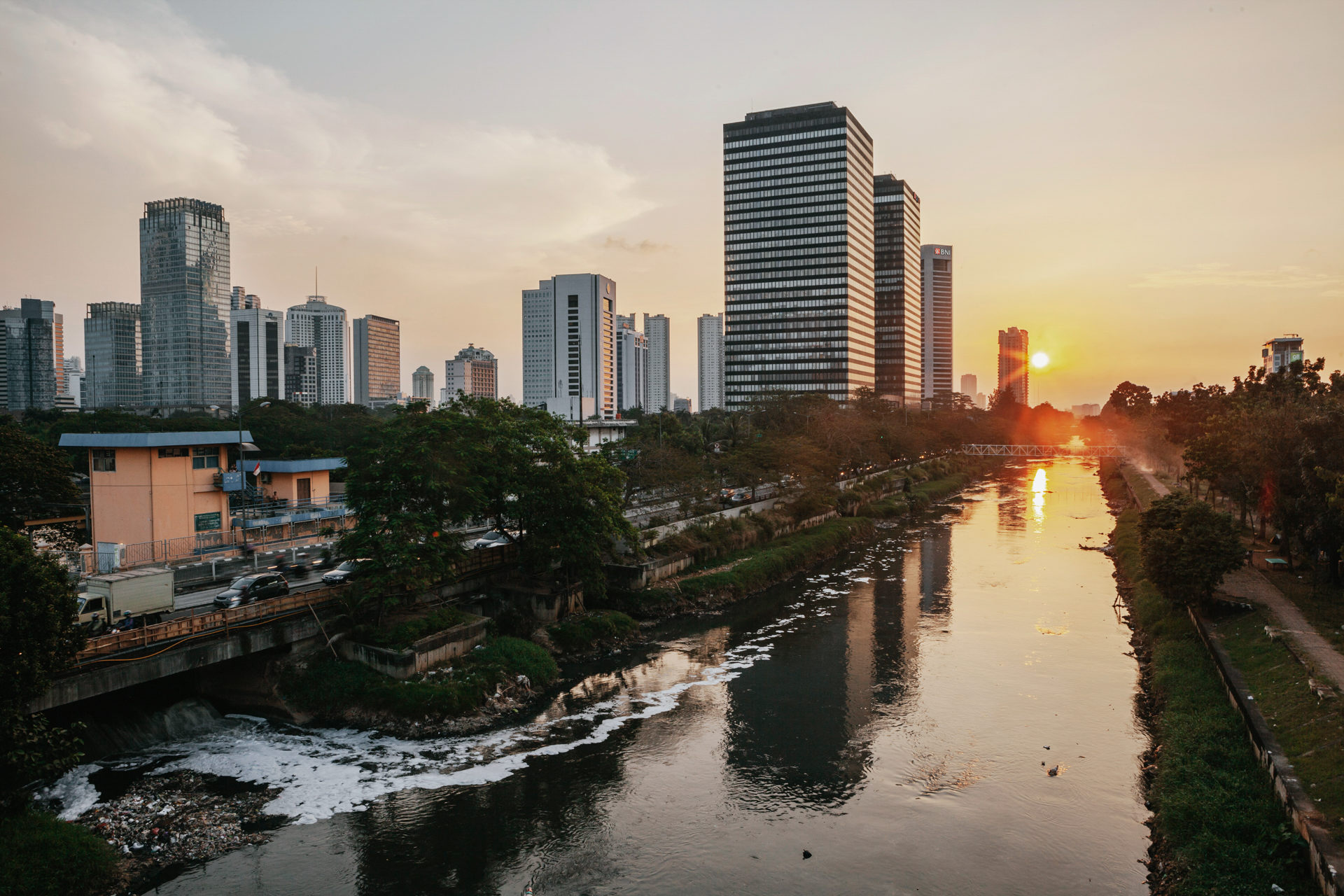
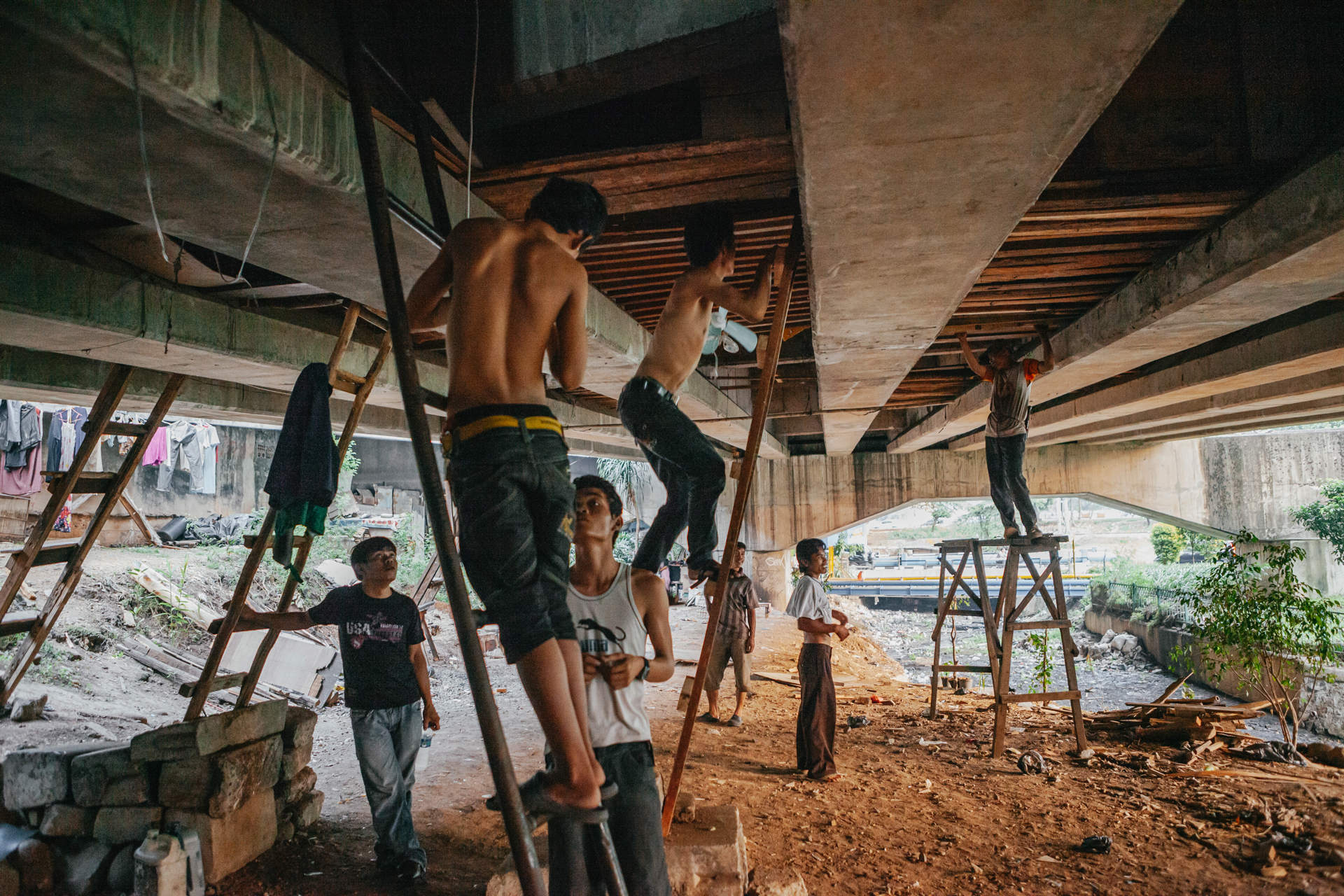
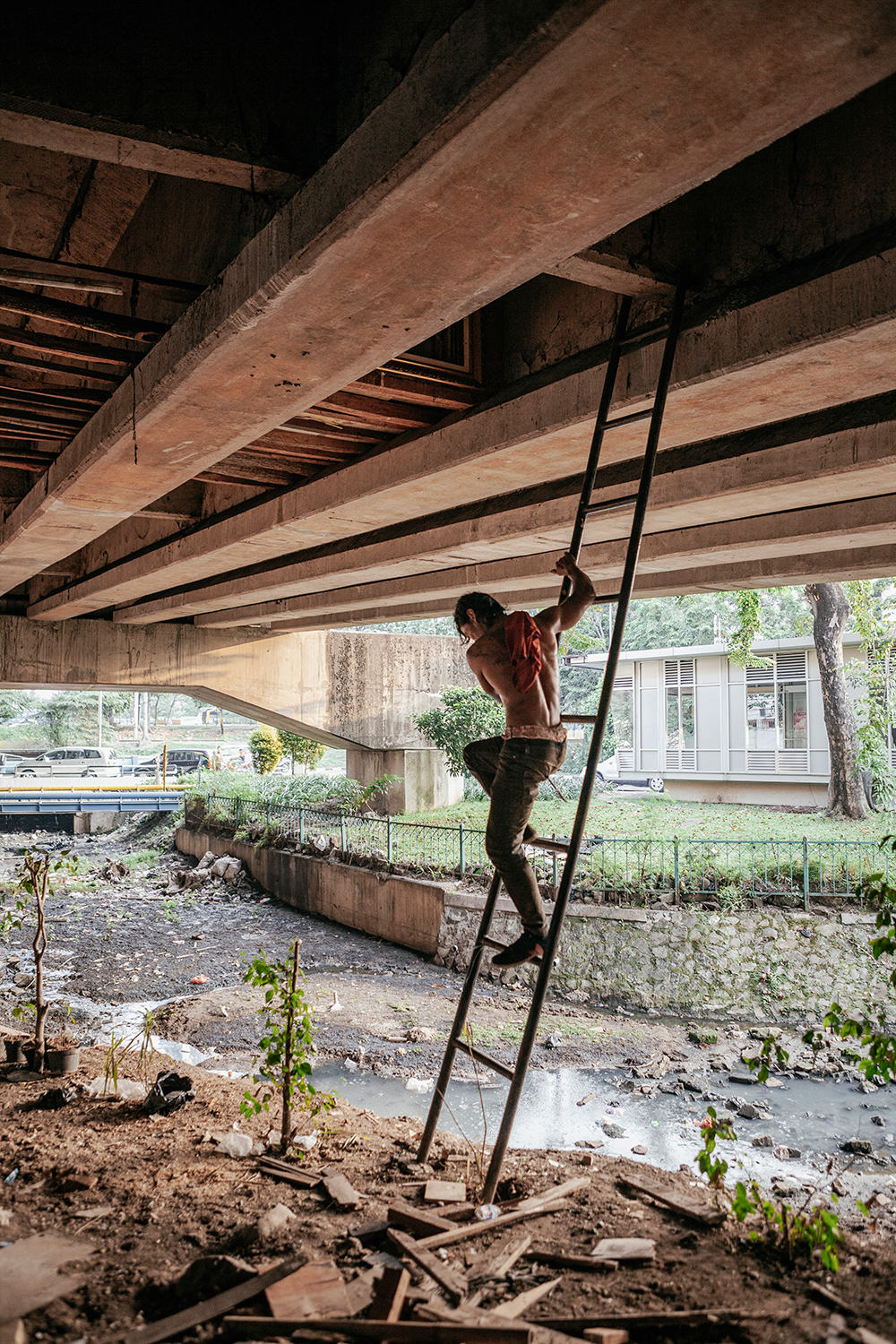
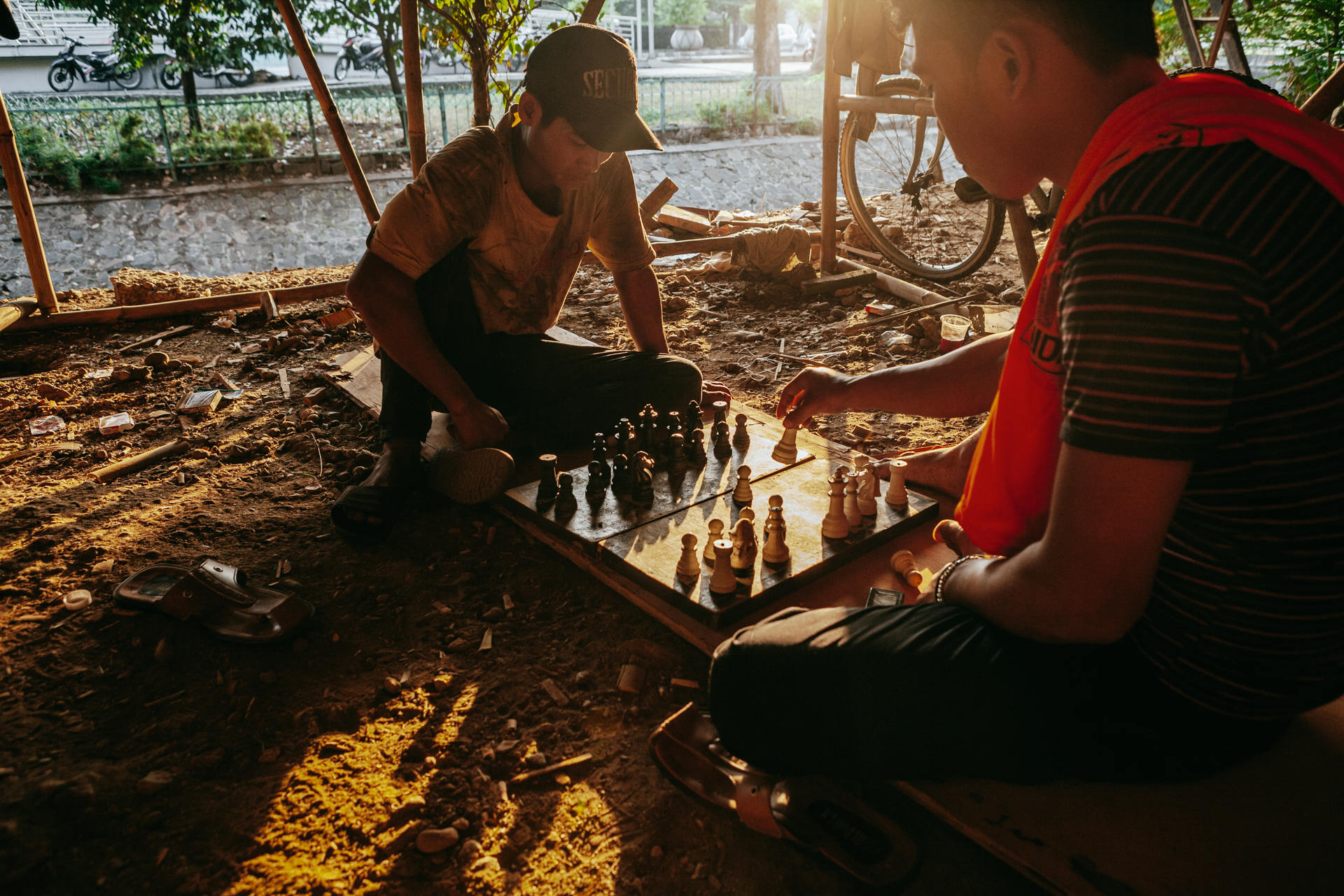
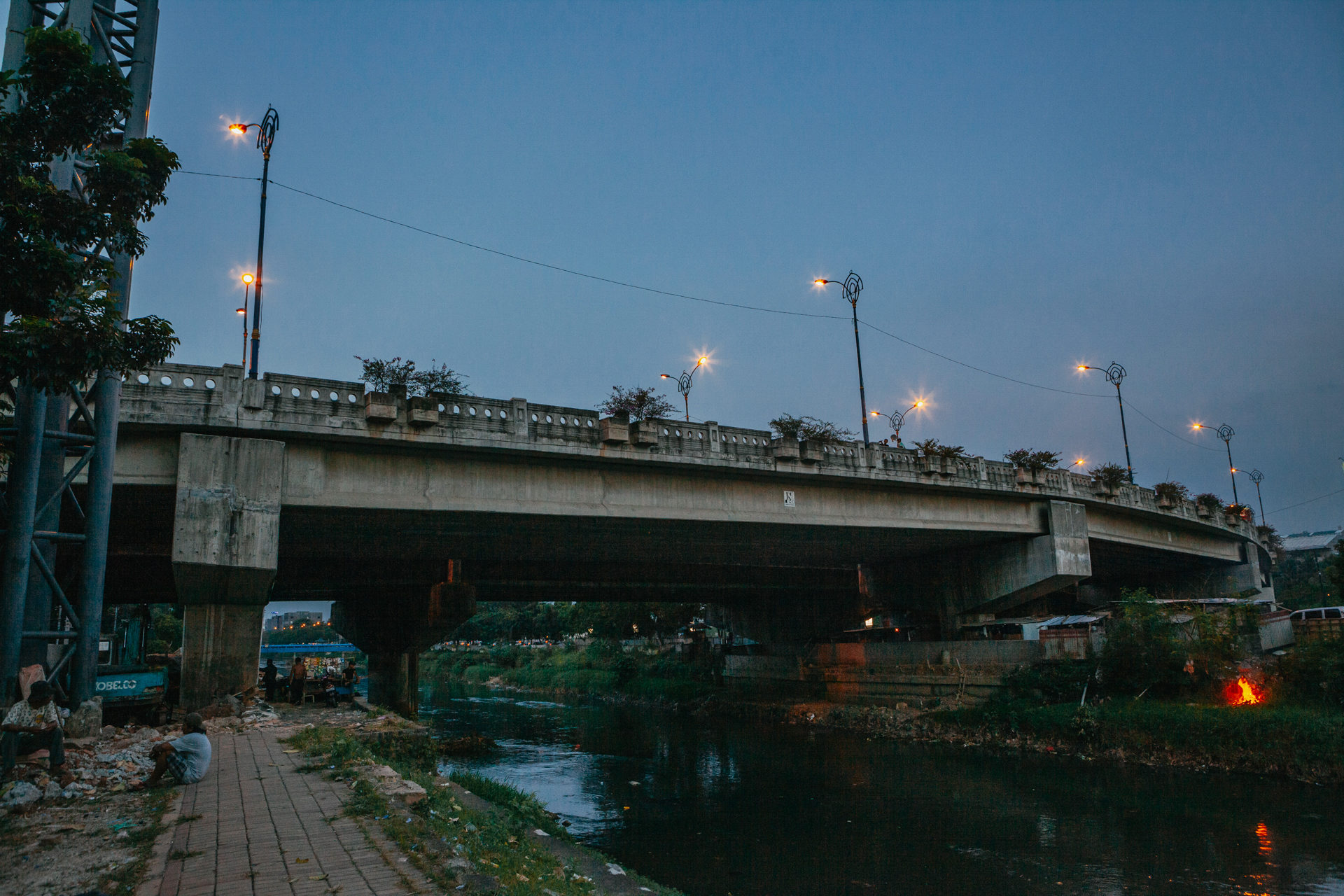
The first thing I wanted to do when I moved to Jakarta in Indonesia, was explore my new neighbourhood. Near my apartment, beneath the Kuningan Bridge, I noticed a striking, highly graphic scene – ladders leading straight up into the bridge itself. Initially, I thought it was just a reconstruction project. However, when I approached a group of people standing nearby, I discovered something completely unexpected.

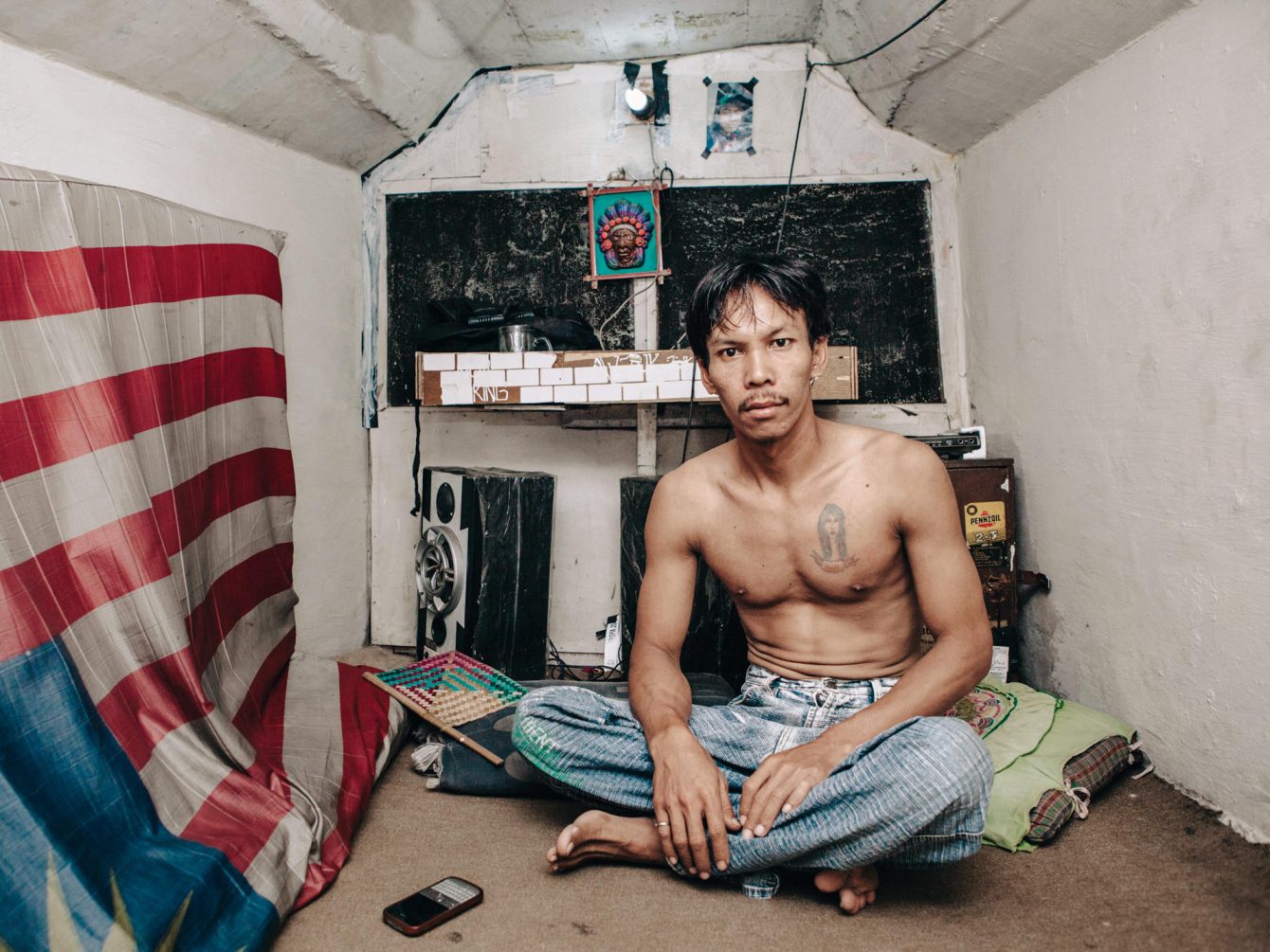
With my basic knowledge of Indonesian, I struck up a conversation. I asked a young man in surprise, “Anda tinggal di sini?” (Do you live here?) and he confirmed, yes, he did. Then I asked, “Ini rumah kamu?” (Is this your house?) and he replied, “Tidak, ini kamar aya” (No, this is my room). That exact exchange inspired the title of this series, “Kamar.”..

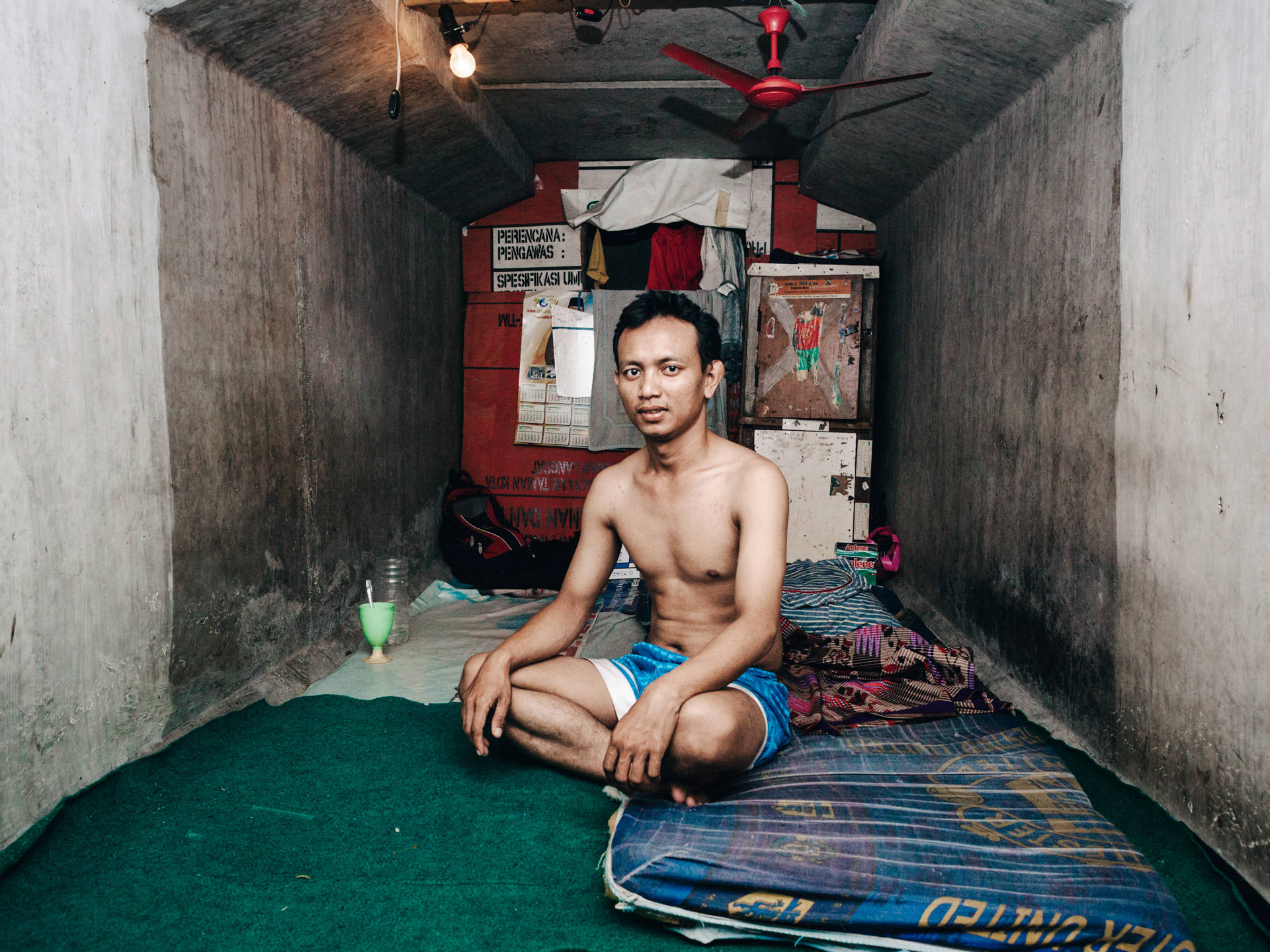
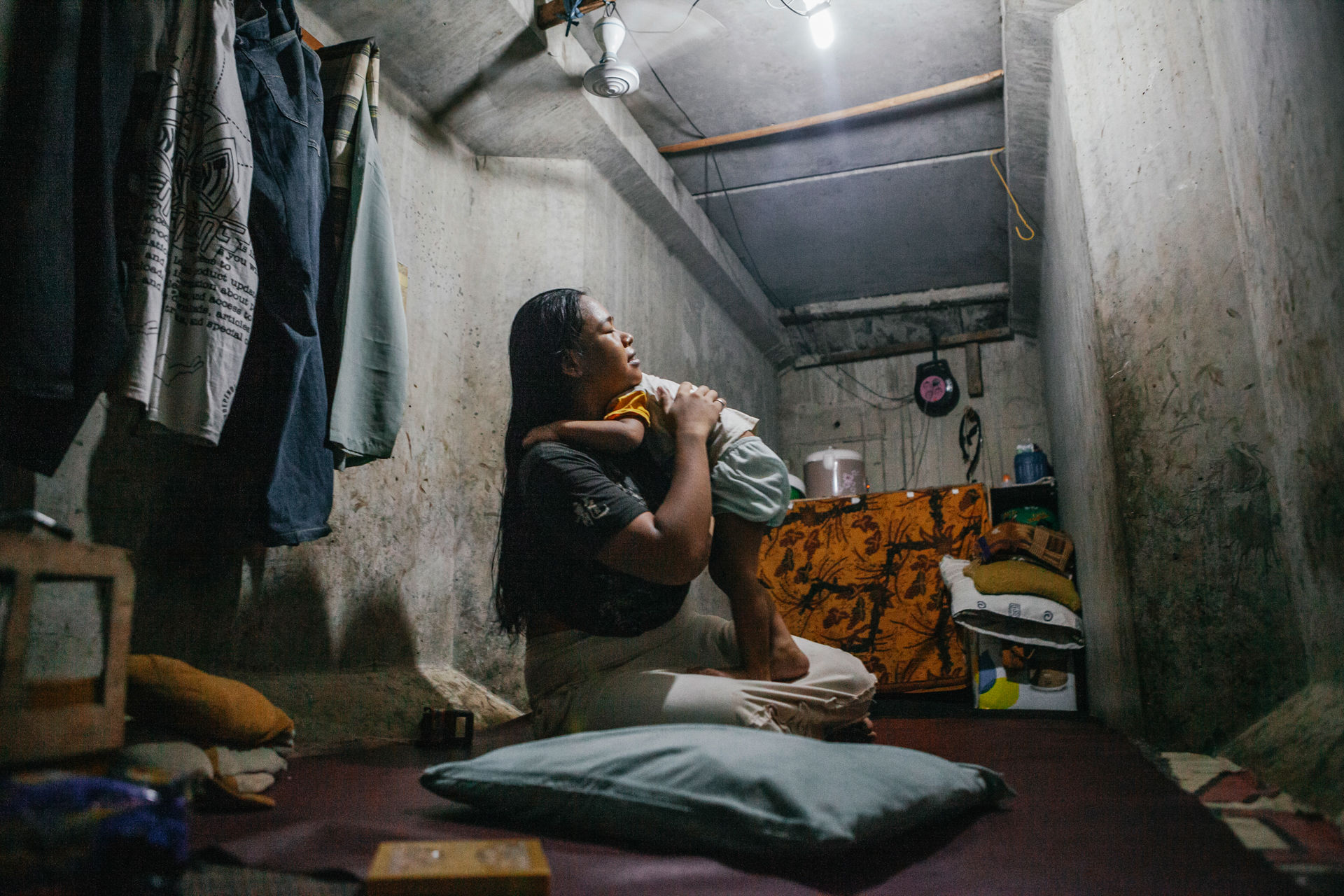
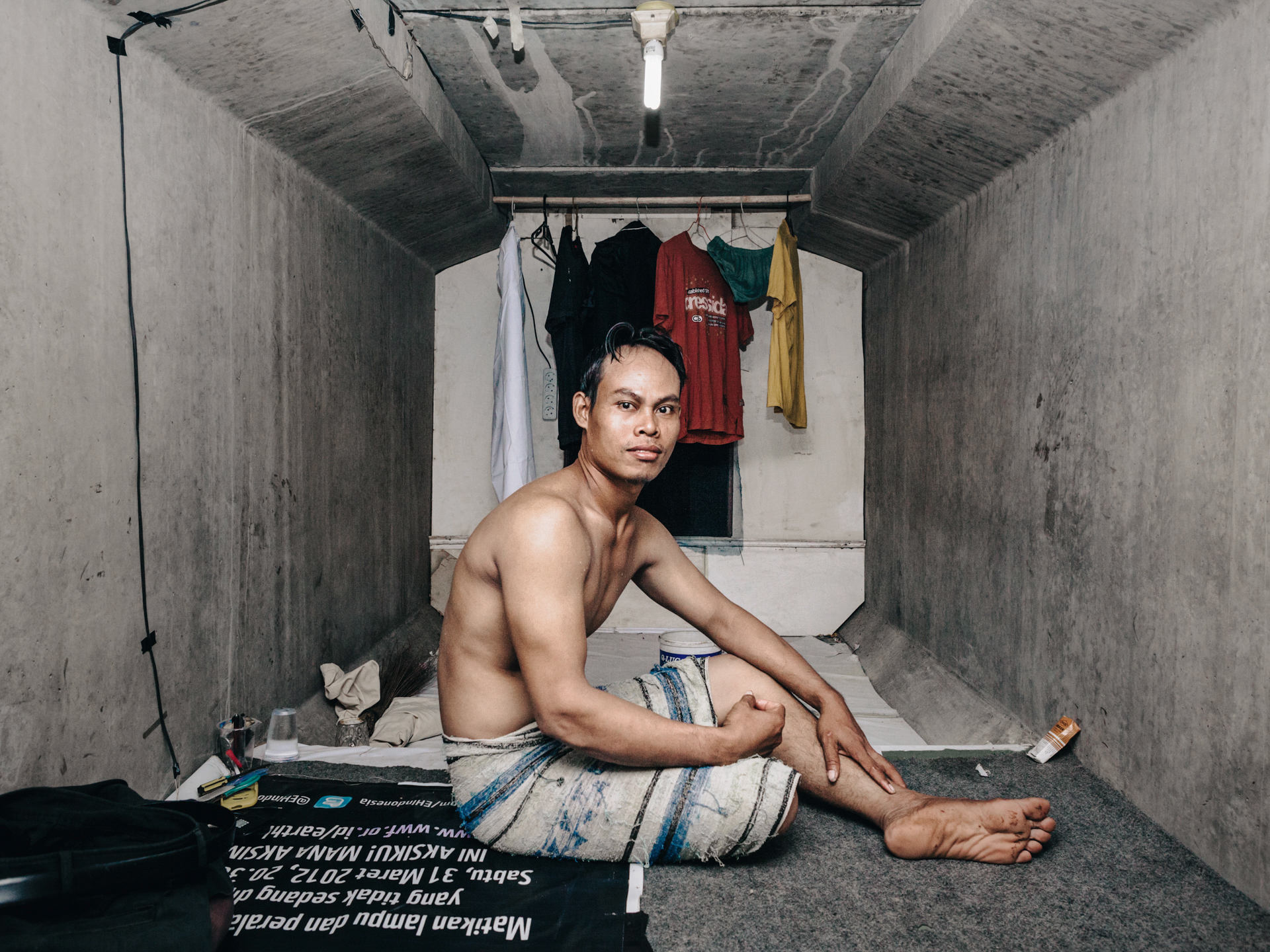
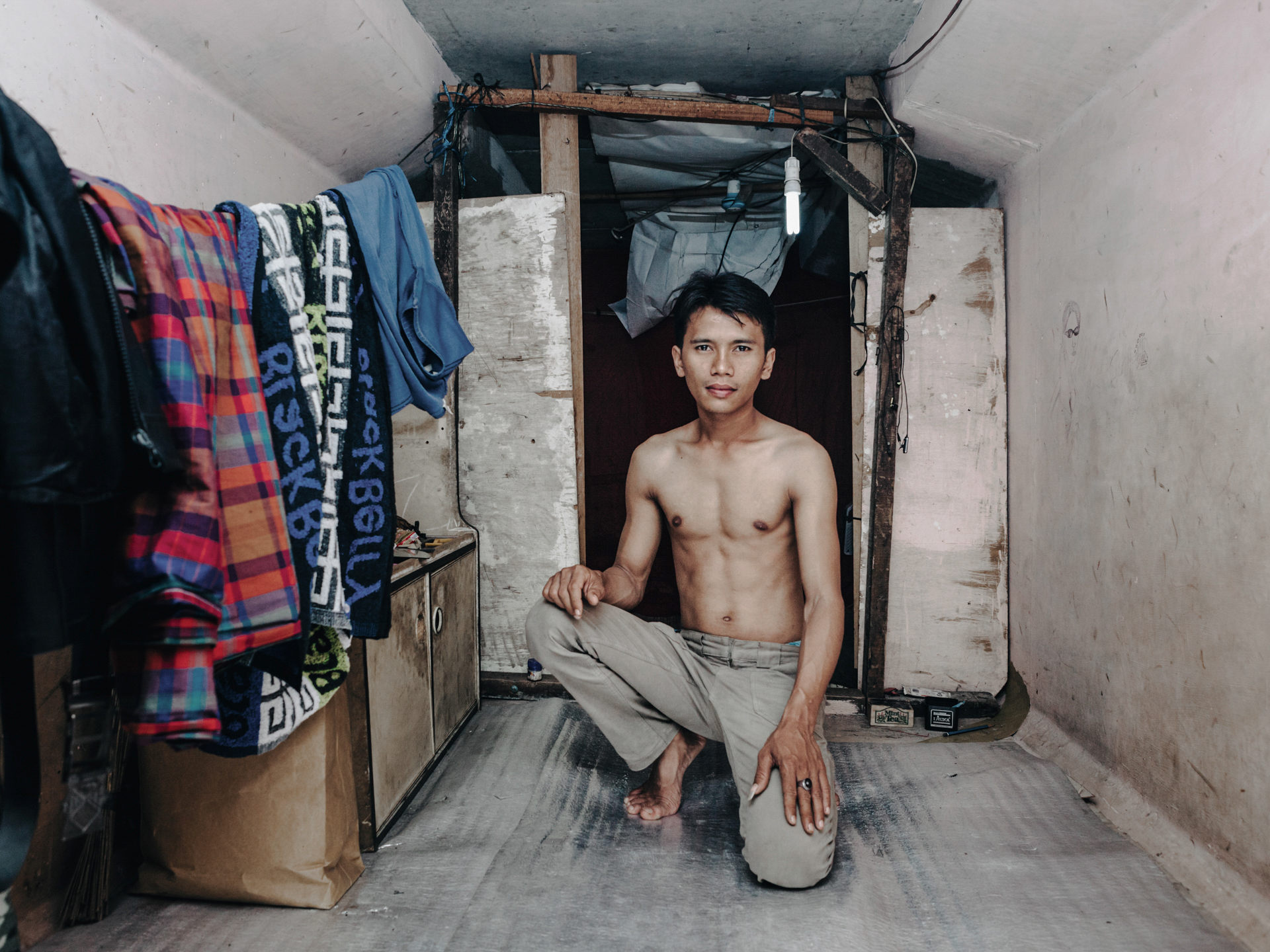
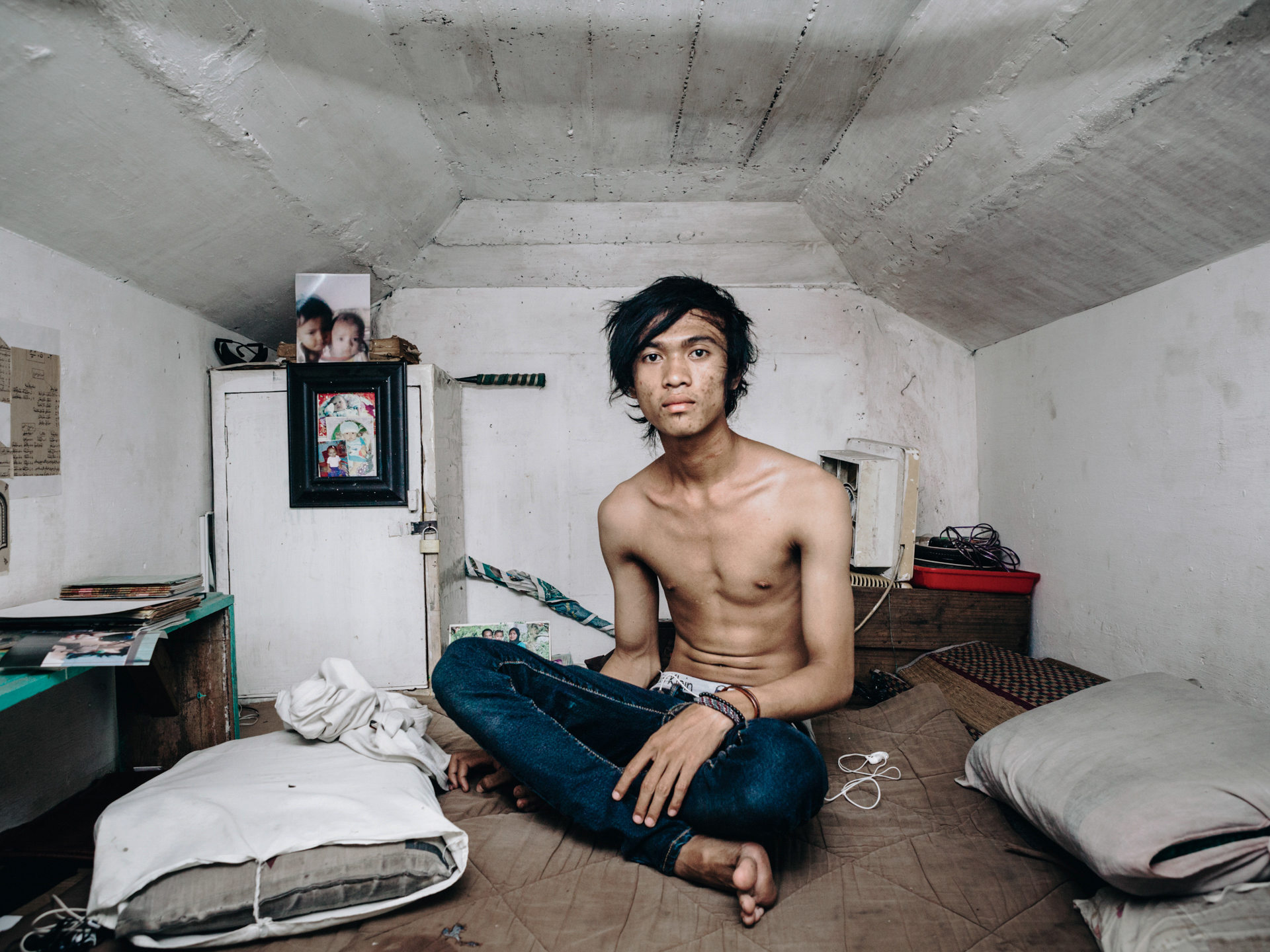
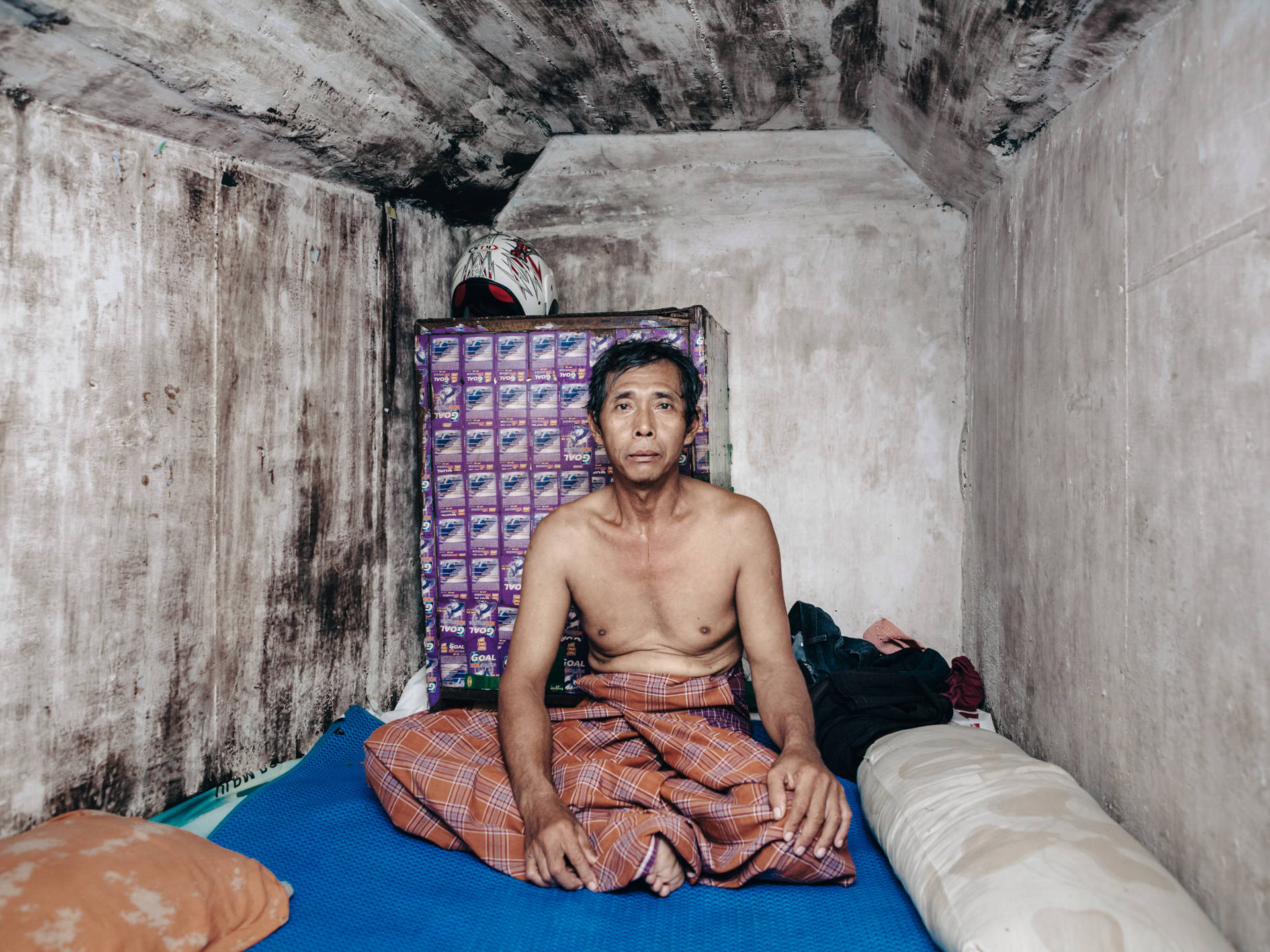
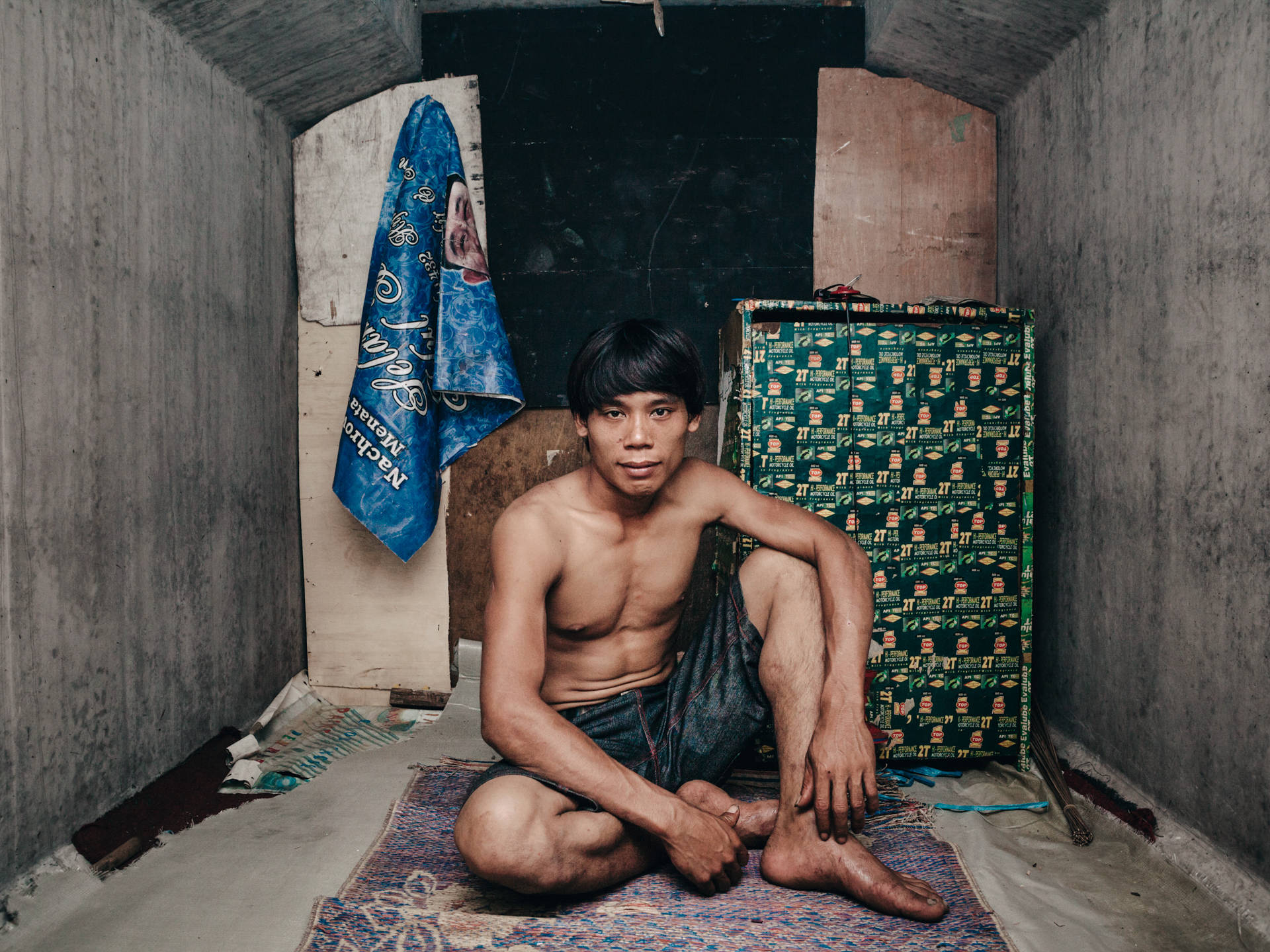
Following this revelation, I began climbing the ladders to explore these unbelievable spaces. Nestled directly inside the bridge’s inner infrastructure, the rooms were bounded by massive, dark-grey concrete walls and ceilings, while the floors were made of wooden planks. The tropical, humid climate of the Indonesian capital made the air inside unbearably hot. To cope, the resourceful tenants ran electrical lines down from the bridge lights to power old fans and small lightbulbs.

These young men had migrated to Jakarta from various Indonesian provinces in search of a better life. Working as communal workers – such as gardeners, wood cutters, and street cleaners, they earned a modest daily wage of around 70,000 Indonesian Rupiahs (app. $6.00). While most of them were young single men, those who had families saved their earnings to send back home. Interestingly, their living situation was legal as the city utility department permitted them to live inside the bridge..

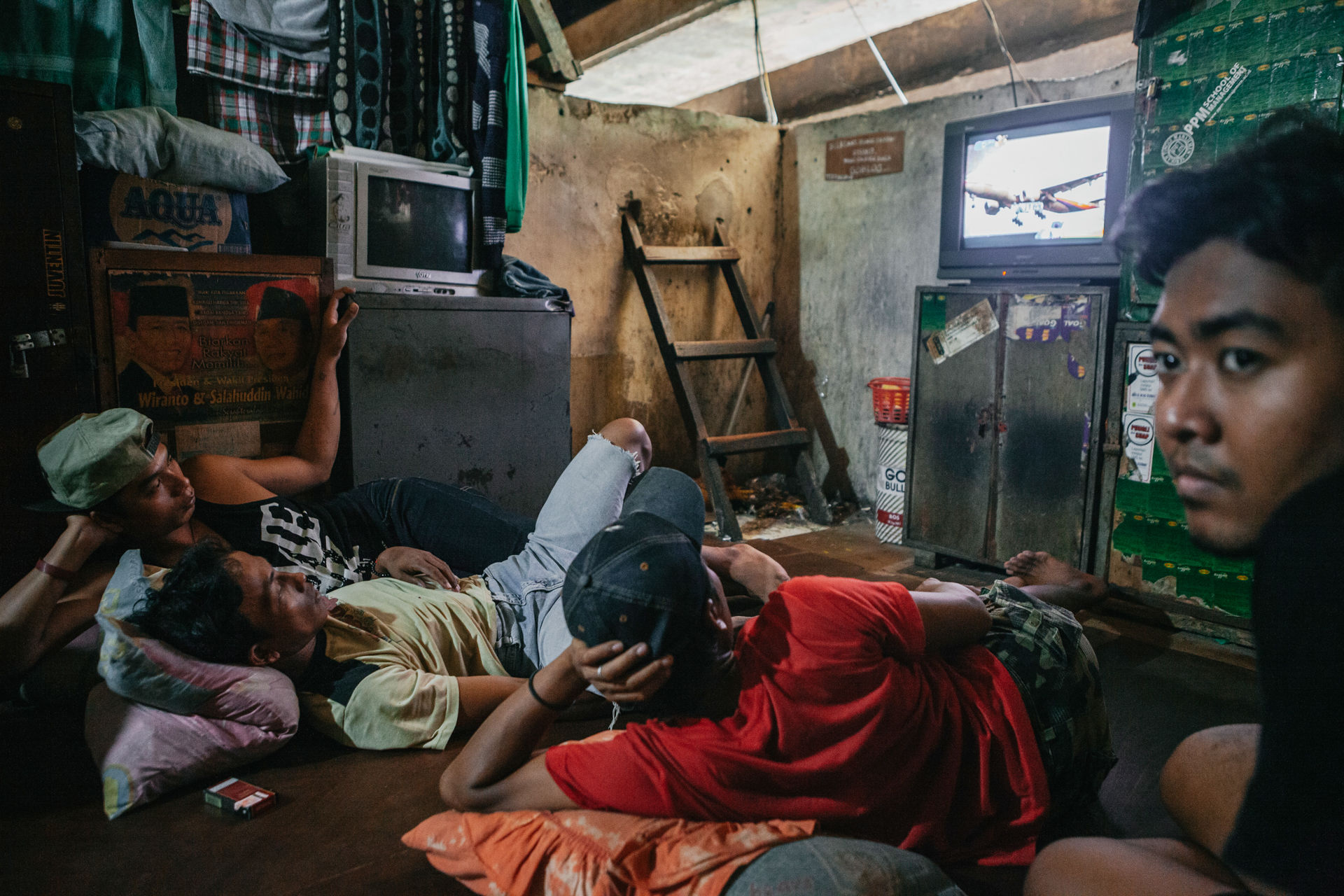
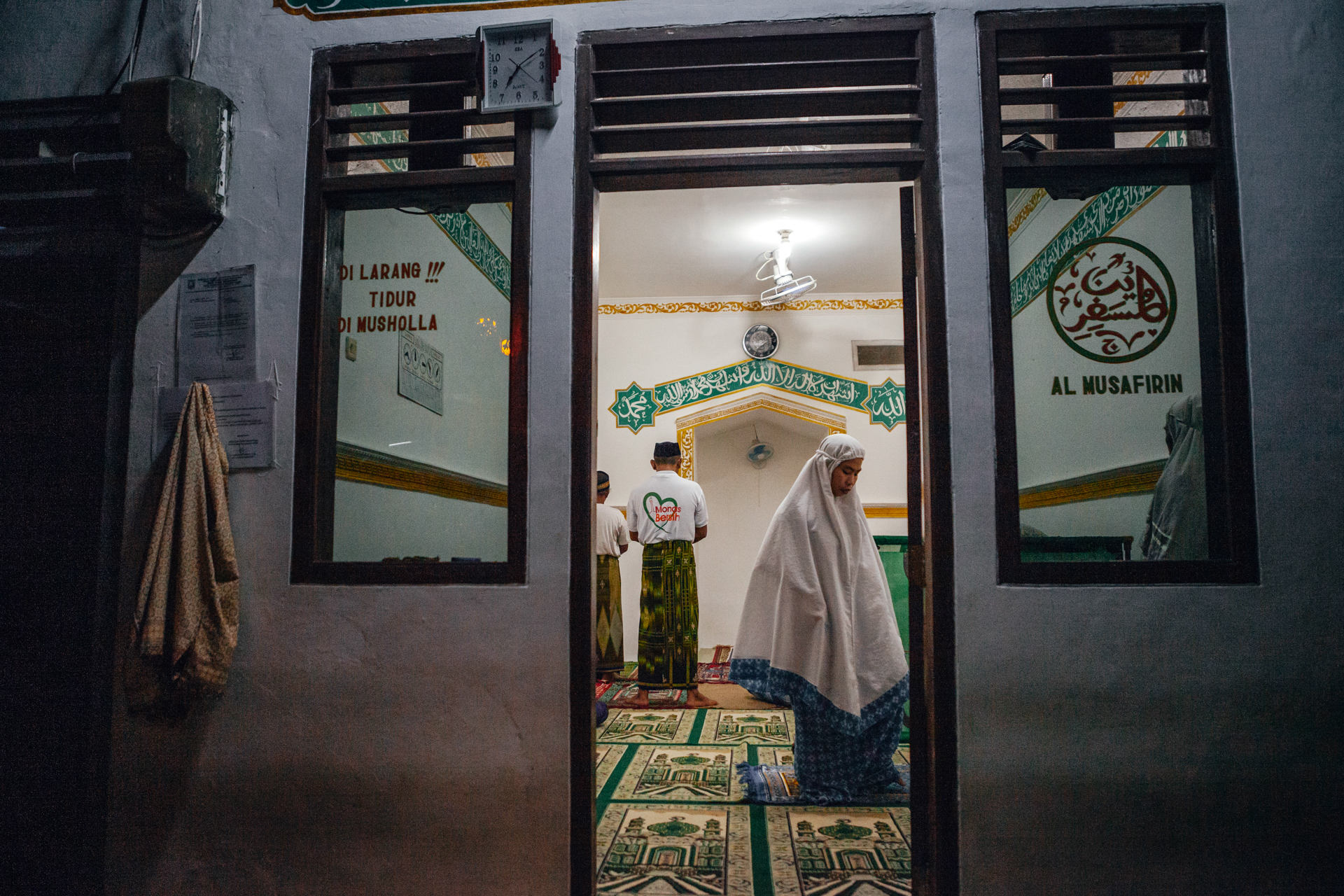
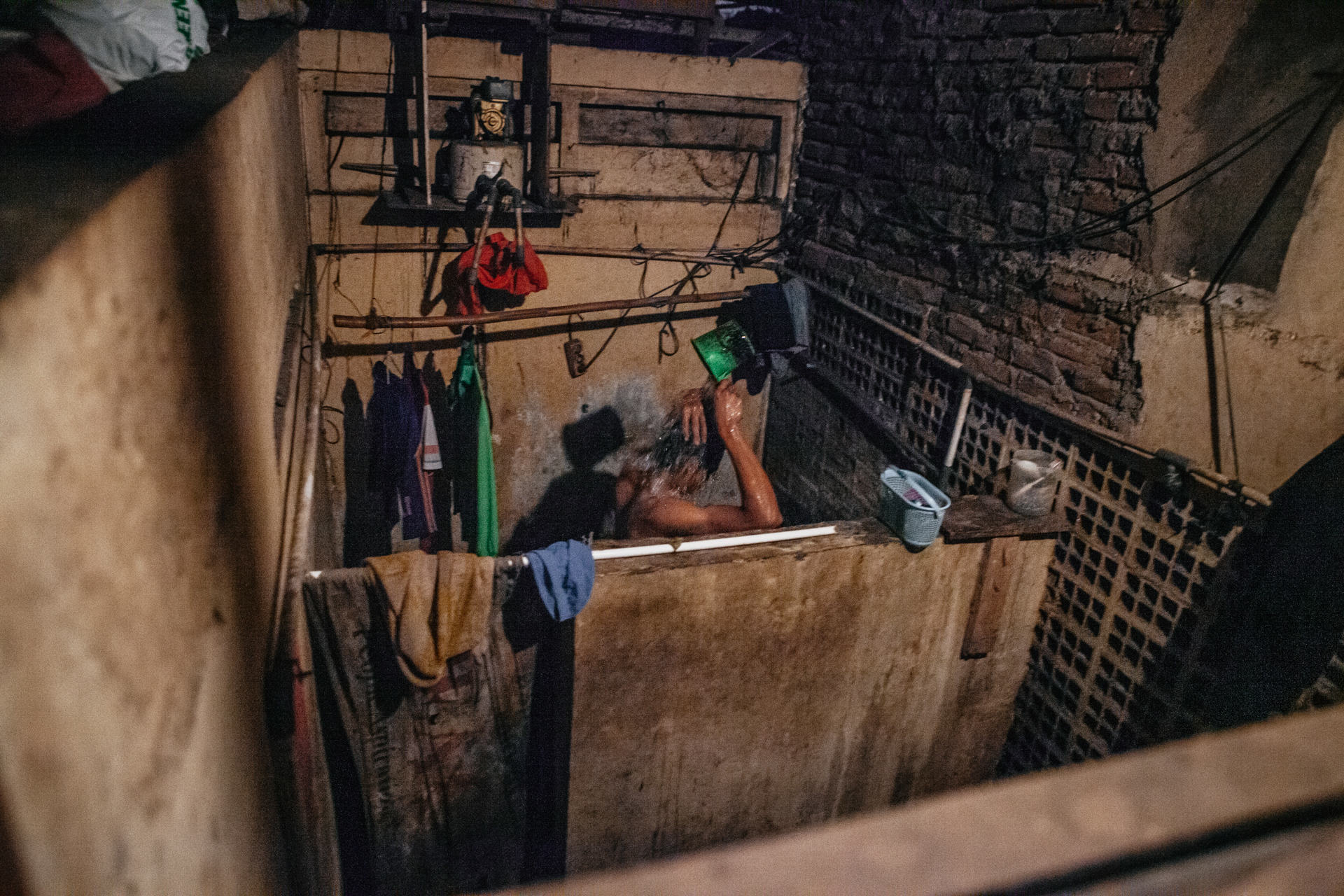
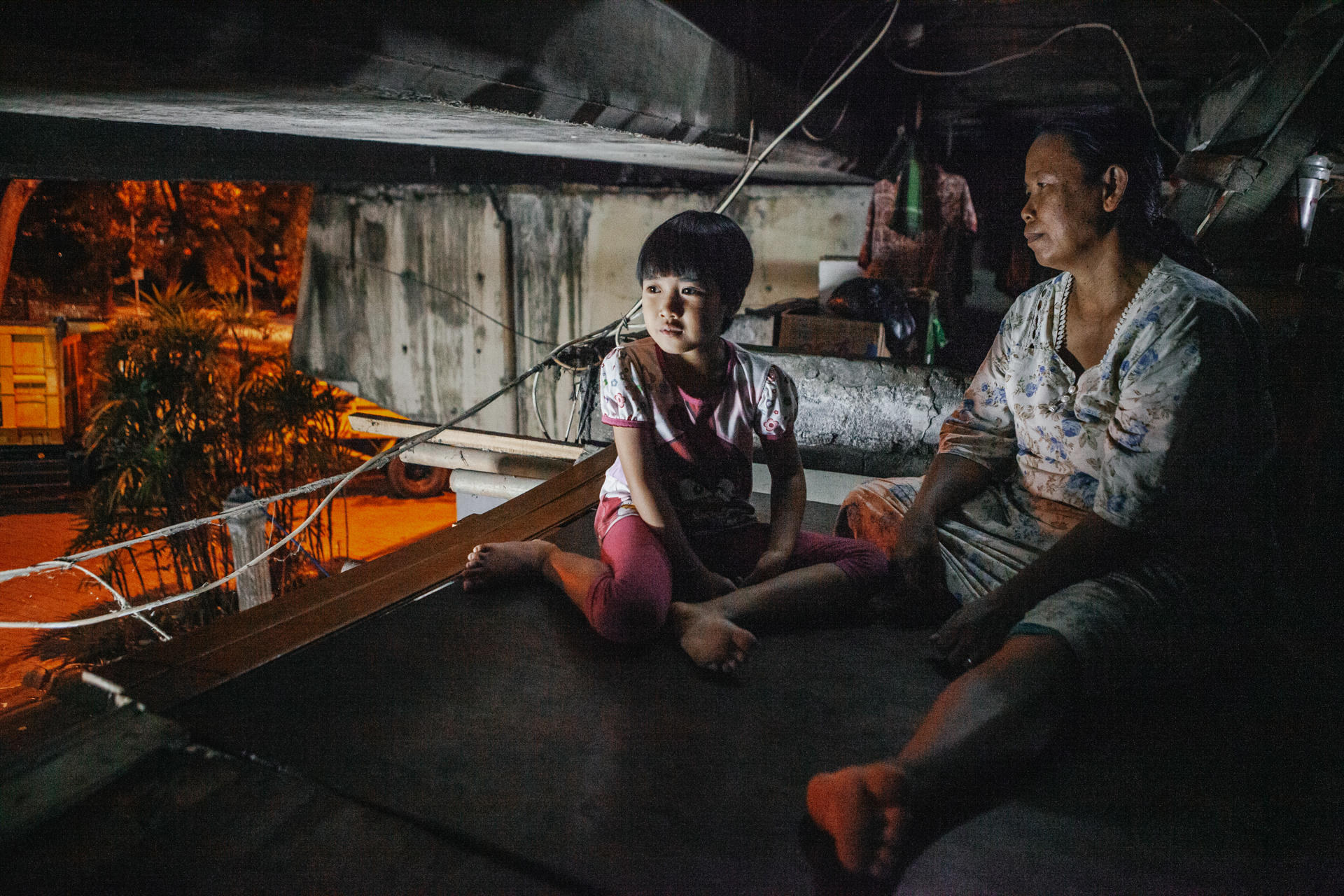
The bridge itself was a two-way structure, divided into two parallel sections with rooms built inside both sides. Beneath the second half, the community had constructed a small mosque and a bathroom. They regularly attended services in the mosque, and right above it was a shared living room with a TV where they spent their free time. From this living room, tenants had to crawl to reach the rooms, and I crawled too..

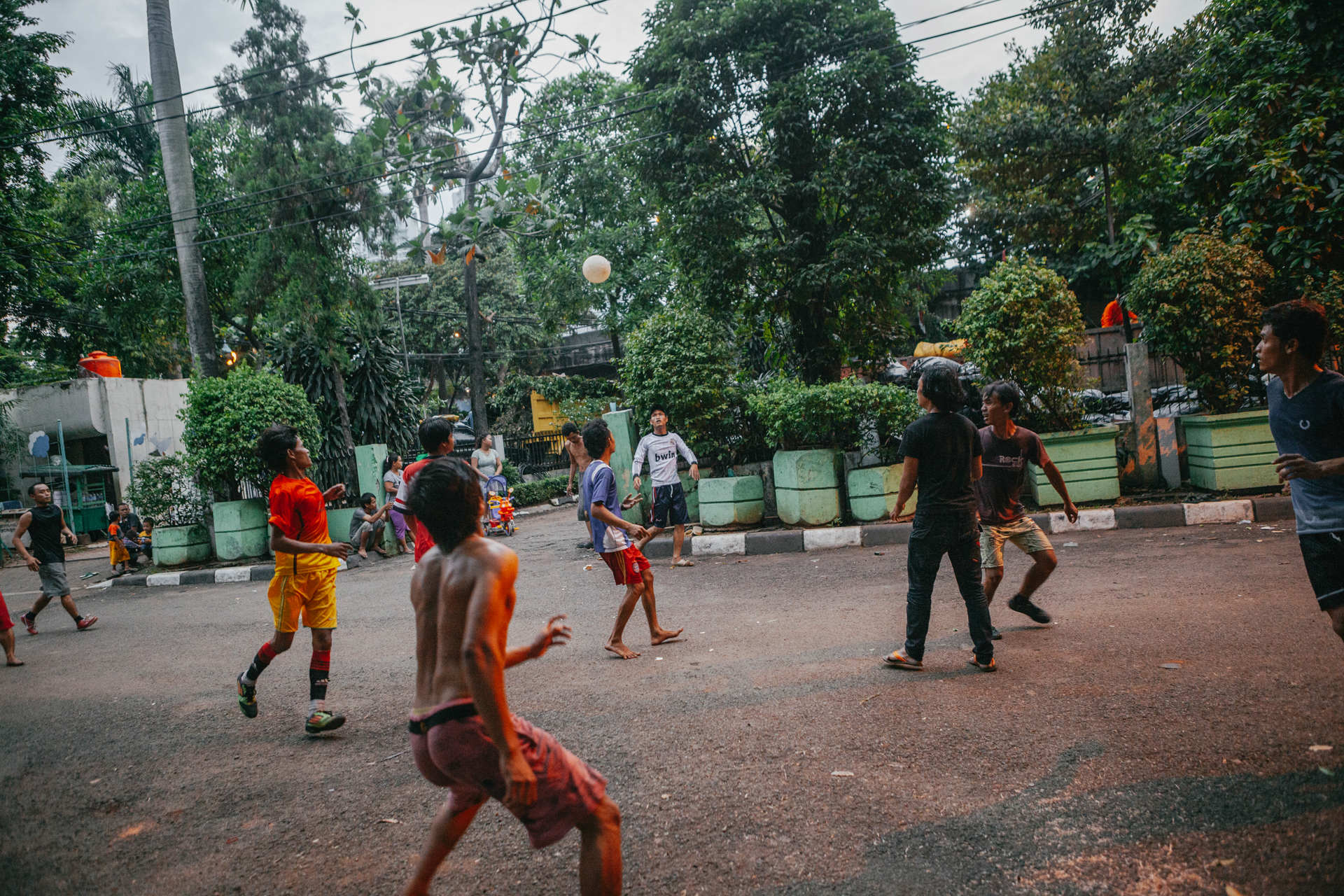
After discovering this community, I began visiting them regularly in the late afternoons when they returned from work, deciding to document their daily life. Their captivating personalities and unique living spaces were so inspiring that I also wanted to photograph their portraits inside the rooms. Out of pure necessity, taking these indoor portraits became the first time I used a flash in my work, as my lens at the time could not handle the dark, ambient light inside. Before taking a shot, I would aim the flash at the concrete ceiling and ask, “Bisa?” (May I?). Frequently, the entire bridge would shake as a heavy truck passed overhead, blurring the shot. I would quickly say, “Satu lagi, satu lagi!” (One more, one more!). In this way, my photography sessions turned into a fun, interactive language lesson, a joyful, shared experience that transformed these hidden spaces into a place of deep connection.

Share

The photographer

Sanja Knežević

Sanja Knežević is a social-documentary photographer exploring stories of the fragility and resilience of human existence, often finding a quiet poetry within the harshest realities. Her work focuses on communities and spaces where human life intersects with intense social, geographic, or political
pressures.
Other featured work

Dust of Manila

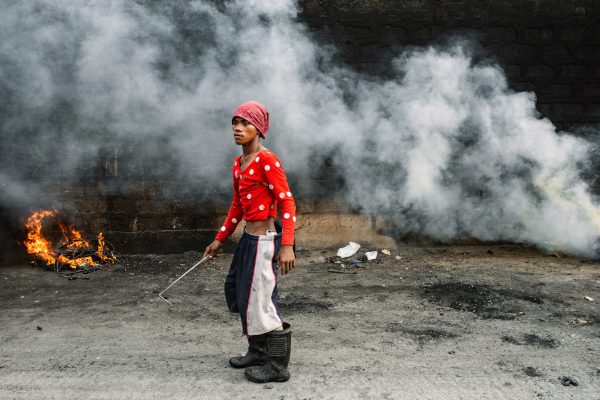
Photographer Sanja Knežević’s series about life on the margins of Manila, where modernisation rises through charcoal, ash and smoke.

Read More

Explore More